Buying doTERRA Oils as a Pet Owner Made Easy
A warm, vet-first guide for pet owners on buying doTERRA essential oils, understanding membership, and choosing products responsibly.
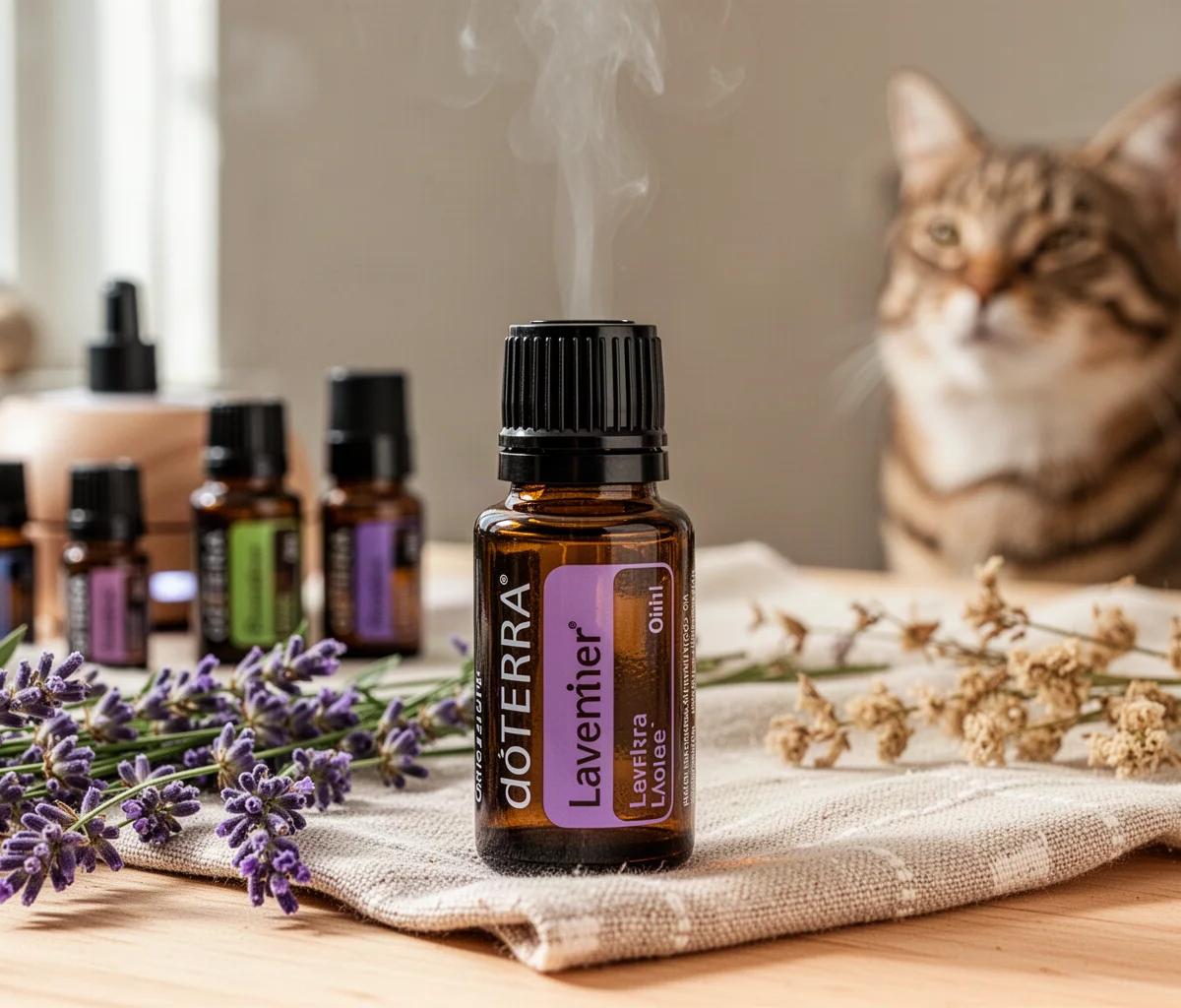
By the EssentialTail Team — pet owners, Wellness Advocates & doTERRA enthusiasts
If you’re here, you’re probably wondering whether bringing doTERRA into a home with a dog, cat, or horse is even a good idea. I remember standing in that exact spot, reading labels and second-guessing every bottle while my golden retriever watched me from the sofa. What I figured out is that buying doTERRA as a pet owner is not complicated: registration is free, there is no obligation, and no kit is required. You simply create an account, choose your products, and decide whether the optional membership discount makes sense for your household. The real work is not the checkout, it is choosing oils with veterinary guidance, especially for cats, and building a calm, well-ventilated home where every animal can walk away. This guide walks you through exactly how to buy, what membership actually means, and how I approach product choices for my own animals.
How the Buying Process Actually Works
The first step is understanding that you do not need to join anything to buy. doTERRA sells to retail customers, and you can also open a free account that gives you access to member pricing. Registration takes about five minutes, and you only enter your email, basic details, and add any product to your cart. That is it. No pressure, no required starter package.
| Option | What You Get | Cost |
|---|---|---|
| Retail purchase | Standard catalogue price | No registration needed |
| Free account | Member price (25% off retail) | A small annual fee, waived on orders over 150 PV |
| Enrolment kit | Curated starter set, usually over 150 PV | Good value if you want variety; never mandatory |
What I recommend most often to pet-owning friends is simple: start with a single, versatile oil you already understand, such as doTERRA Lavender or doTERRA Frankincense. Both are widely known, and many owners keep them for their own routines while maintaining a pet-aware home. For a more detailed walkthrough of the ordering steps, see our How to Buy doTERRA Products, Step by Step guide.
Here is the numbered path I followed:
- Check with your veterinarian first, especially if you have cats, birds, or small animals.
- Create a free doTERRA account with your email and household details.
- Choose one or two single oils rather than a large kit while you learn.
- Review the product label and doTERRA’s official guidance before any use around animals.
- Decide on membership only if you plan to order regularly and the 150 PV threshold fits your budget.
Choosing Products With a Pet-Safe Mindset
The most important thing I have learned is that doTERRA’s purity standard, which the company calls CPTG (Certified Pure Tested Grade), is why many pet owners choose the brand at all. It is a testing and purity standard, not a health claim, and it gives me confidence that what I am buying is consistent. For shared spaces, I lean toward products recognised for their gentle, grounding aromas, such as doTERRA Cedarwood, doTERRA Roman Chamomile, and doTERRA Copaiba. These are products many owners know, and they are not in the high-risk categories for pets, although no oil is automatically safe for every animal.
Cats are different. Their bodies lack an enzyme needed to process many compounds, so oils such as Tea Tree, Oregano, Thyme, Cinnamon, Clove, citrus oils like Lemon and Wild Orange, Peppermint, Eucalyptus, and Wintergreen must be treated as dangerous around them. I never diffuse in a room a cat cannot leave, and I keep all bottles behind a closed door. The ASPCA Animal Poison Control Center and the Pet Poison Helpline are the right calls for accidental exposure, alongside a veterinarian, and I keep those numbers saved. For households with birds, rabbits, or rodents, I do not diffuse at all without an exotic vet’s approval, because their respiratory systems are extremely delicate.
For horse owners, the conversation changes again. Many equestrians enjoy products such as doTERRA Vetiver and doTERRA Serenity in the barn atmosphere, but anything applied to a competing horse falls under strict anti-doping rules, including the FEI prohibited-substances list. I defer entirely to our veterinarian and federation for equine decisions. If you are still weighing whether the membership discount is worth it, our doTERRA Membership for Pet Owners Explained article covers the details without jargon.
Related reading
Frequently Asked Questions
Do I need to buy a kit to get the member price? No. A kit is a recommended option that often exceeds 150 PV, which waives the annual fee, but you can register with any product. No starter package is mandatory.
Can I diffuse doTERRA oils around my cat? Many oils are unsafe for cats, including Tea Tree, Oregano, Thyme, Cinnamon, Clove, citrus oils, Peppermint, Eucalyptus, and Wintergreen. Always ask your veterinarian first and keep the cat able to leave the room.
What do I do if my pet accidentally touches or licks an oil? Contact a veterinarian or an animal poison control centre immediately. Do not wait, and do not try a home remedy.
Is doTERRA “safe for pets” because it is natural? No. Natural does not mean safe for animals, and no oil should be described as safe for all pets. Veterinary guidance and label instructions are essential for every species.
Which doTERRA products do you recommend starting with for a pet home? In our experience, single oils like Lavender, Frankincense, Cedarwood, Roman Chamomile, and Copaiba are common starting points, but the right choice depends on your veterinarian’s advice and your specific animals.
Conclusion
Buying doTERRA as a pet owner is straightforward once you separate the checkout from the caution. Create a free account, buy what fits your household, and let your veterinarian guide every animal-related decision. The warmth of a calm home comes from thoughtful choices, not from rushing.
This content is for general information only and is not veterinary advice. Always consult a qualified veterinarian before using essential oils in a home with animals.