Calming Scents for Horse Trailer Loading
Struggling with trailer loading? Learn how calming scents and a calm routine can help your horse, with vet-first safety and responsible product tips.
By the EssentialTail Team — pet owners, Wellness Advocates & doTERRA enthusiasts
If you have ever stood beside a trailer with a horse who planted all four feet and refused to move, you already know the feeling. It is not a training problem, it is a moment of genuine stress for both of you. The short answer is that no scent will fix trailer loading on its own, but a calm environment supported by a grounding scent can be one part of a patient, vet-informed approach.
Why Scent Is Only One Small Piece
When I brought home my first horse, I assumed a strong, familiar smell would solve everything. What I have come to understand instead is that loading is built on trust, repetition and a horse who feels physically comfortable. A scent cannot replace groundwork, proper trailer ventilation or a veterinarian’s assessment of pain or balance issues.
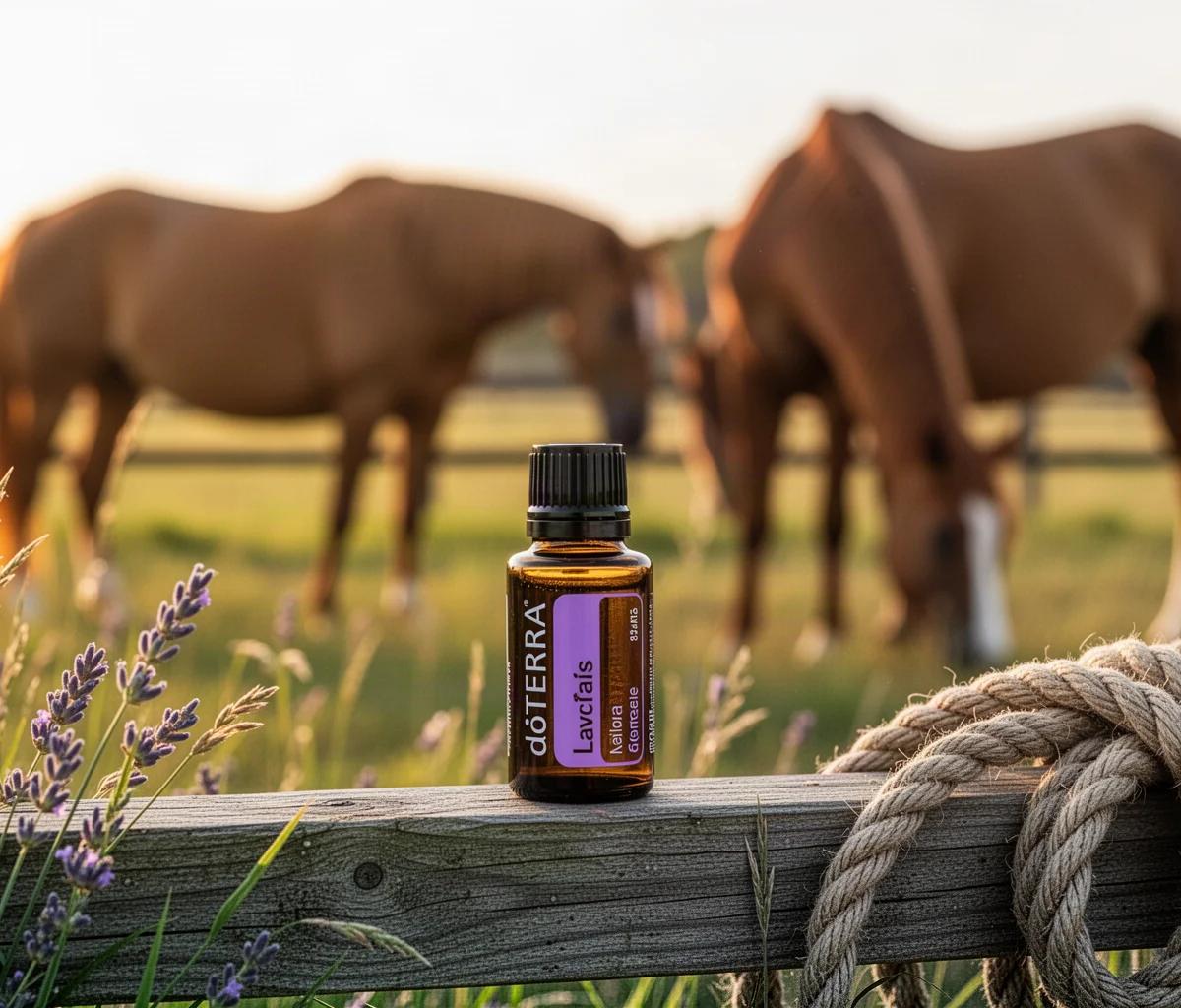
That said, many owners keep a bottle of Lavender or gentle Roman Chamomile oil in their grooming kit for the human side of the routine. A few calm breaths before you ask for a step forward can change the energy you bring to the trailer.
| Scent Profile | What Owners Notice | My Honest Take for Loading |
|---|---|---|
| Floral and soft, like Lavender | A light familiar aroma in the air | Helpful for the handler’s own calm, not a guarantee for the horse |
| Woody and grounding, like Cedarwood | Warm, earthy presence around the barn | Pleasant for shared human spaces, never a substitute for training |
| Bright and sharp, like Peppermint or citrus | Very strong, attention-grabbing | I avoid these around horses entirely, they are simply too intense and risky |
The best approach is almost always the gentlest one. I keep any scent very light, always in a space the horse can leave, and never inside a closed trailer.
A Calmer Loading Routine, Step by Step
- Start with the veterinarian. A horse who refuses to load may be telling you about pain, vision problems or a previous bad experience.
- Work on loading without the trailer moving anywhere. Just step on, stand calmly, step off and repeat.
- Keep your own breathing slow and steady. Your horse reads your body long before any scent reaches them.
- If you want a grounding aroma for yourself, use a tiny amount of Vetiver or Frankincense on your own hands, away from the horse’s nose.
- Never use oils on the horse, in the trailer or in an enclosed space the horse cannot leave.
For competition horses, check the FEI prohibited-substances list before using anything on or near the horse. When in doubt, ask your federation and your vet.
In our experience, the handlers who load horses calmly are almost always the ones who move slowly and speak quietly. If you want to explore more about calm support for anxious dogs, we have a full Calming Essential Oils for Anxious Dogs Guide that explains the same patient, vet-first approach.
Frequently Asked Questions
Can essential oils actually reduce trailer loading anxiety in horses? No essential oil has been proven to relieve anxiety in horses, and doTERRA oils are not a treatment for equine stress. A scent may be part of a calm environment, but the real work is training, patience and veterinary guidance.
Are there any essential oils that are safe to use directly on a horse? I cannot give you a safe list, because every horse is different and competition rules vary. Speak with your veterinarian before applying anything to your horse, and never use oils in a trailer without professional guidance.
Why should I avoid strong mint and citrus scents around horses? Strong aromatic oils can be overwhelming for a horse’s sensitive respiratory system and may create more resistance at the trailer. I prefer to keep these oils out of shared barn spaces entirely.
A Final Thought
Trailer loading gets better when pressure goes down, not when scent goes up. A calm handler, a patient routine and a veterinarian’s expertise will help far more than any aroma ever could.
This content is for general information only and is not veterinary advice. Always consult a qualified veterinarian before using essential oils in a home with animals.