Choosing doTERRA Oils for a Home with Pets
A warm, practical guide to selecting doTERRA essential oils safely around dogs, cats, and horses—always veterinarian-first.
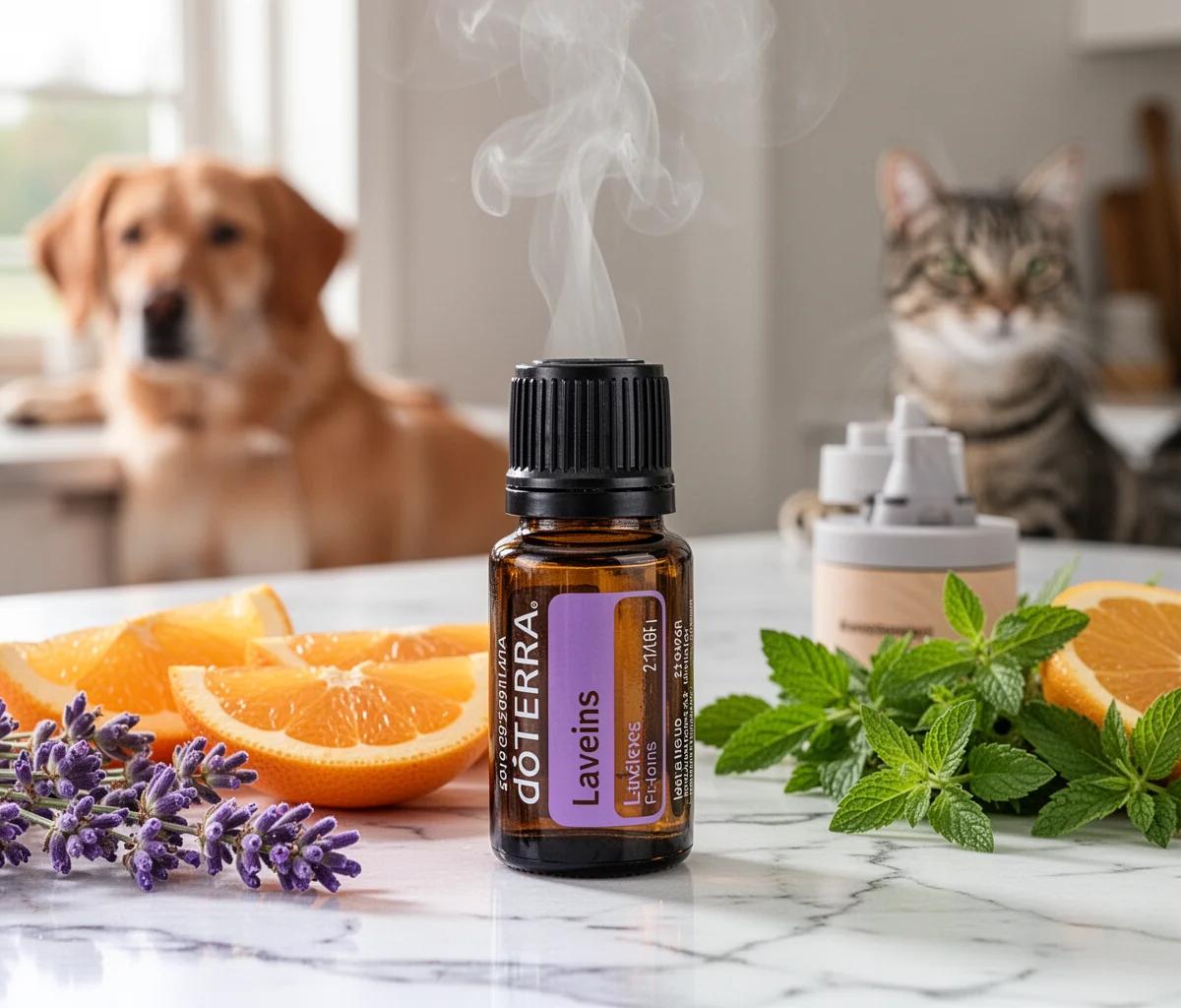
By the EssentialTail Team — pet owners, Wellness Advocates & doTERRA enthusiasts
If you're reading this, you probably love both your essential oils and your pets, and you're wondering how to bring those two parts of your life together safely. The short answer is this: choosing oils for a home with animals starts with knowing which ones pose real risk to cats, dogs, or horses, always consulting your veterinarian before any use on or around your pet, and choosing doTERRA for its CPTG purity and third-party testing, because when it comes to animals, quality and caution matter more than ever. What I've come to understand over the years is that a calm, pleasant home is absolutely possible with pets in it, but it requires intentional choices, a genuine understanding of species differences, and a veterinarian-first mindset every single time.
Why CPTG Purity Matters More When You Have Pets
When I brought my first cat home, I learned quickly that "natural" doesn't mean safe for animals. Cats, dogs, birds, and horses all metabolize compounds differently than we do, and what's harmless to us can be toxic, or even fatal, to them.
That's why I choose doTERRA. The CPTG standard (Certified Pure Tested Grade) is doTERRA's own purity and testing protocol: every batch is tested by third-party labs for contaminants, fillers, and potency. When you're diffusing in a space your dog or cat breathes, or keeping bottles where curious noses might reach, knowing exactly what's in that bottle isn't a luxury, it's a responsibility.
The selling point here isn't that an oil treats or prevents anything in your pet. It's that you're starting with the cleanest, most rigorously tested product available, and you're using it thoughtfully, under veterinary guidance, in a shared home.
Understanding Species Risk: Cats, Dogs, and Horses
Not all pets respond to essential oils the same way. Here's what I wish someone had told me from the start:
| Species | Key Consideration | Highest-Risk Oils |
|---|---|---|
| Cats | Lack liver enzyme to metabolize many compounds; many oils are toxic or fatal | Tea Tree, Oregano, Thyme, Cinnamon, Clove, most citrus oils, Peppermint, Eucalyptus, Wintergreen |
| Dogs | More tolerant than cats, but still sensitive; dosing depends entirely on size, breed, health | Varies widely; always ask your vet before any use |
| Horses | Equine use is veterinary territory; many oils prohibited under FEI competition rules | Check current FEI prohibited-substances list; consult your vet and federation |
| Birds & small pets | Extremely delicate respiratory systems; diffusion can be rapidly fatal | Do NOT diffuse around birds, rabbits, or rodents without avian/exotic vet approval |
The default with cats: many oils are unsafe for them. Keep bottles out of reach, never diffuse in a room a cat can't leave, and when in doubt, don't. I never assume an oil is "safe for cats", I ask the vet first, every time.
For dogs: they tolerate more than cats, but I still never give amounts, apply topically, or add oils to their water or food without my veterinarian's explicit guidance.
For horses: this is entirely veterinary and regulatory. If you compete, know that many substances, including essential oils, are prohibited under anti-doping rules. Check the current list and consult your vet and federation before any use.
How to Choose and Use Oils Safely in a Multi-Species Home
Here's the step-by-step approach I follow:
- Consult your veterinarian first. Before any oil goes into a diffuser, onto your pet's bedding, or near your animal, ask your vet. This isn't optional, it's the foundation.
- Start with doTERRA's dedicated animal/pet products where they exist. These are formulated with animals in mind and come with clear label guidance. Never invent a use; follow the label and your vet's advice.
- Choose low-risk oils for shared spaces. In a home with dogs (and especially cats), I lean toward gentle, well-ventilated diffusion of oils like Lavender or Balance, always in a room the animal can leave, and only after my vet says it's appropriate.
- Never give numeric amounts. I'm often asked "how many drops?" and my answer is always: I can't give you a number. It depends on your room size, ventilation, and your individual animal. Ask your veterinarian.
- Keep bottles secured. Cats can knock things over, dogs can chew, and horses can be curious. Store oils out of reach, always capped.
- Watch for signs of distress. If your pet shows ANY sign of discomfort, drooling, lethargy, difficulty breathing, vomiting, stop diffusing immediately and contact your veterinarian or an animal poison control center right away. Never wait, never try a home remedy.
If you're looking for guidance on creating a calming space for yourself (not as a treatment for your pet), you might find our article on essential oils for sleep and relaxation helpful, just remember that what soothes you must always be evaluated separately for animal safety.
Related reading
- How to Buy doTERRA Products, Step by Step
- Choosing doTERRA Oils for a Home with Pets
- Essential Oils and Pets: The Complete Safety Guide
Frequently Asked Questions
Can I diffuse essential oils around my cat?
Many oils are toxic to cats, including Tea Tree, citrus oils, Peppermint, Eucalyptus, and "hot" oils like Oregano or Cinnamon. If you have a cat, consult your veterinarian before diffusing anything, ensure the cat can always leave the room, and never assume an oil is safe for cats.
Are essential oils safe for dogs?
Dogs tolerate more oils than cats, but safety depends entirely on the individual dog, the oil, and how it's used. Never apply oils topically, add them to food or water, or diffuse without your veterinarian's approval first.
Can I use essential oils on my horse?
Equine use is a veterinary matter, and many substances, including essential oils, are prohibited in competition under FEI anti-doping rules. Always consult your veterinarian and check the current prohibited-substances list before any use.
How many drops should I diffuse around my pet?
I can't give you a set number, it depends on your room size, ventilation, and your animal's individual sensitivity. Ask your veterinarian for guidance specific to your pet.
What should I do if my pet is exposed to an essential oil?
Contact your veterinarian or an animal poison control center immediately. Don't wait, and don't try a home remedy, emergencies need professional care right away.
Conclusion
Choosing doTERRA oils for a home with pets is entirely possible, but it starts with caution, veterinary guidance, and a genuine respect for how differently our animals experience the world. Quality and care go hand in hand, and both begin with asking your vet first.
This content is for general information only and is not veterinary advice. Always consult a qualified veterinarian before using essential oils in a home with animals.