Diffusing Oils Around Cats vs Dogs Safety
How diffusing essential oils differs for cats and dogs, which species is more sensitive, and the vet-first rules to keep every pet safe at home.
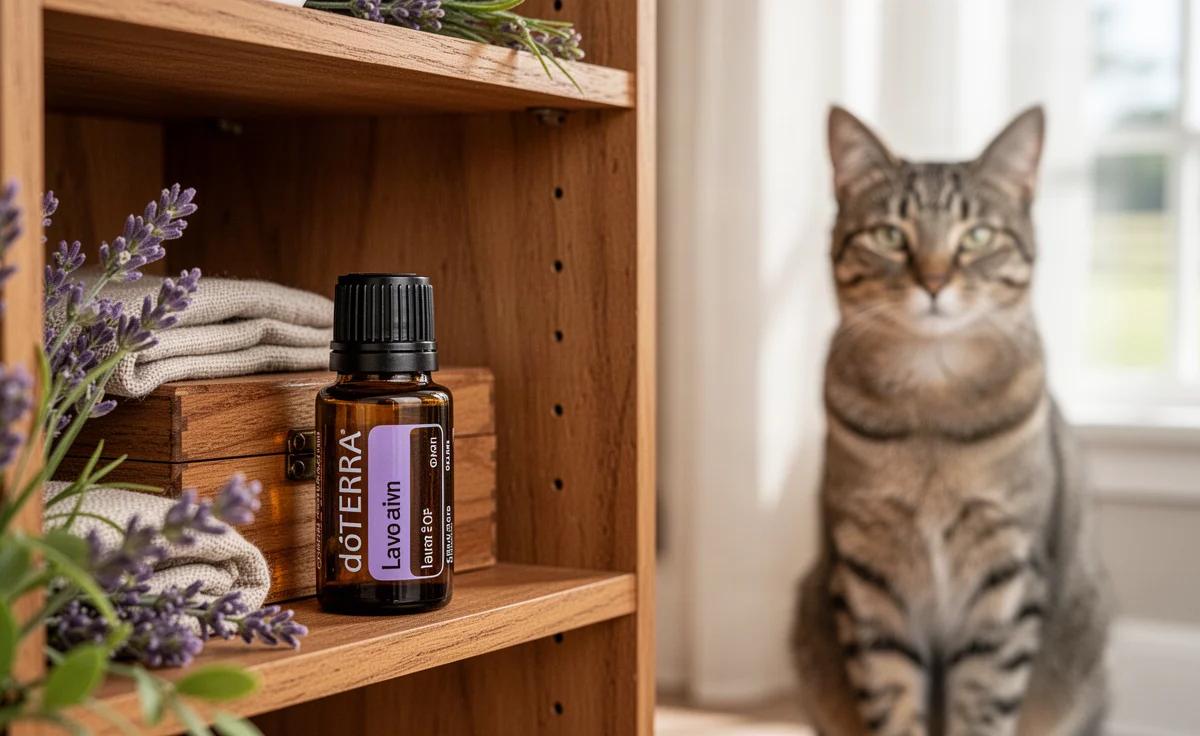
By the EssentialTail Team — pet owners, Wellness Advocates & doTERRA enthusiasts
If you have ever stood in front of a diffuser with a bottle in one hand and a curious cat weaving between your ankles, you have probably wondered whether the same aroma that feels calm to you is even okay for her. It is one of the most common questions we hear from pet owners, and the short answer matters: cats and dogs are not the same, and cats are far more sensitive. When we diffuse, dogs are generally the more tolerant of the two, while cats need stricter precautions, always with your veterinarian's guidance.
Why the Difference Matters
The biggest gap is biological. Cats lack certain liver enzymes that dogs and humans use to process many of the compounds found in essential oils. That means substances their bodies cannot clear easily can build up and become toxic, sometimes seriously so. Dogs metabolize more like we do, which gives them more room, but it never makes them immune.
That is why the same diffuser in the same living room is not the same experience for both species. A dog might nap through it. A cat might not show a problem until much later. We never describe any oil as safe for pets, and we treat cats as the highest-risk animal in the home.
Cats vs Dogs While Diffusing
| Consideration | Cats | Dogs |
|---|---|---|
| Sensitivity level | Very high, many oils are risky | Moderate, but individual sensitivity varies |
| Main risk | Liver enzyme difference slows processing | Strong sense of smell, licking residues |
| Oils we avoid entirely | Tea Tree, citrus, peppermint, eucalyptus, pine, cinnamon, clove, oregano, thyme, ylang ylang | Tea Tree, wintergreen, pine, and any undiluted oil |
| Diffusing rule | Only in a room the cat can leave, sessions kept short, never in sleeping spaces | Room open, dog free to walk away, never in a crate or closed room |
| First step | Ask your veterinarian before diffusing | Ask your veterinarian before diffusing |
How We Approach Diffusing With Pets
Our rule is the same one we encourage every reader to follow: the animal decides, and the veterinarian is consulted first. These are the steps we use in our own homes.
- Ask the vet before introducing any oil into a space where a pet lives.
- Choose the room carefully, an open, well-ventilated space the animal can leave whenever it wants.
- Keep sessions short rather than continuous.
- Never put the diffuser in a room where the pet sleeps or is shut in.
- Watch body language. If a pet walks away, sneezes, drools or seems unsettled, switch it off and air the room.
For more on the cat-specific question, our guide on whether you can diffuse around a cat walks through the everyday precautions in detail. And if you want the full species comparison beyond diffusion, we have a dedicated piece on the difference in safety between dogs and cats that is worth reading next.
Oils We Often Reach For
Not all oils carry the same risk, and the gentler side of the doTERRA catalogue tends to be where most pet-aware owners feel most comfortable, always after a veterinary conversation. Lavender is the classic choice for a calm home, its soft floral aroma being the one most people know. Frankincense brings a warm, grounded scent that many owners appreciate in shared spaces. Cedarwood has that woody, outdoorsy feel that suits an evening wind-down. Roman Chamomile is gentle and apple-sweet, and Copaiba offers a soft, understated warmth. We link these as catalogue references, never as a safety claim for any animal.
If you prefer a ready-made blend, Serenity is the doTERRA blend many pet-aware homes talk about for its relaxing character, and Balance soothes with its woody, grounding aroma. Whatever you choose, the product label and your vet come before the aroma.
Frequently Asked Questions
Can I diffuse essential oils in a home with cats?
Only with great caution and veterinary approval first. Cats are far more sensitive than dogs or humans because of their liver enzyme difference, and many oils are unsafe for them even when diffused. The cat must always be able to leave the room.
Is lavender safe to diffuse around dogs?
We never label any oil safe for pets, and that includes lavender. Many dog owners use it in open, well-ventilated spaces after talking with their vet, but it is always a veterinary decision, never a blanket yes.
What should I do if my pet reacts badly to a diffuser?
Turn the diffuser off, open windows to air the room, and move the pet to fresh air. Then contact your veterinarian or an animal poison control centre such as the ASPCA Animal Poison Control Center or Pet Poison Helpline immediately. There is no home remedy we would ever suggest.
Which oils are most dangerous for cats?
Tea Tree, citrus oils, peppermint, eucalyptus, pine, cinnamon, clove, oregano, thyme and ylang ylang are the ones we treat as highest risk around cats, even diffused. This is a physiological difference, not a preference.
Why are dogs less sensitive than cats?
Dogs have a liver enzyme system closer to ours, so they metabolize many compounds more efficiently than cats do. That gives them more tolerance, but it does not make any oil automatically safe for every dog.
Diffusing around pets is one of those areas where caution is not a buzzkill, it is the whole point. Cats and dogs live in the same house but not in the same physiological world, and good pet ownership means letting that difference shape how we use aromas at home. Ask your vet, keep rooms open, and let your animal's comfort lead.
This content is for general information only and is not veterinary advice. Always consult a qualified veterinarian before using essential oils in a home with animals.