Diffusing Oils Around Pets the Safe Way
Learn to diffuse essential oils around dogs and cats safely with this veterinarian-first guide covering pet-friendly practices, dangerous oils to avoid, and doTERRA quality.
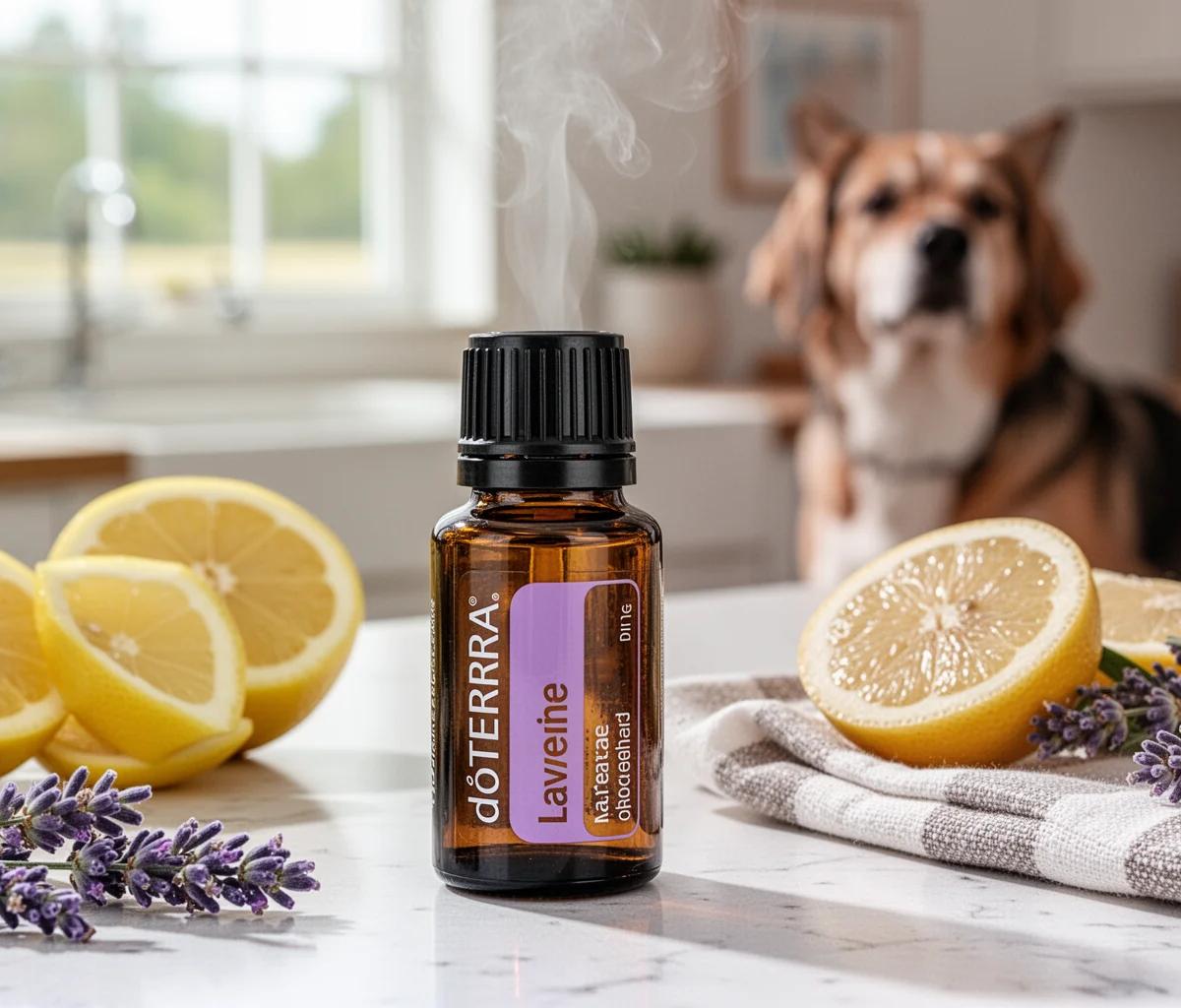
By the EssentialTail Team — pet owners, Wellness Advocates & doTERRA enthusiasts
The first time I set up a diffuser in my living room, my cat perched on the sofa armrest, nose twitching at the unfamiliar scent, and I froze, was I making a mistake? If you have ever held a bottle of oil in one hand and watched your dog or cat with the other, you know that moment of uncertainty. The short answer is that diffusing essential oils around pets can be done thoughtfully, but it requires understanding which oils pose risks, ensuring your animal can always leave the room, and checking with your veterinarian before you begin. There is no one-size-fits-all "safe" list, because a cat's liver works very differently from a dog's, and birds are more sensitive still. What you can do is build a cautious, informed routine that keeps your home smelling pleasant while protecting the animals who share it.
Know Which Oils Stay Far Away from Your Diffuser
Some essential oils carry genuine danger for pets, especially cats, who lack the liver enzyme needed to process certain compounds. The most critical rule I follow is simple: if an oil falls into a high-risk category, it never goes into a diffuser in a room an animal occupies.
| Risk Level | Oil Type | Example Oils | Concern |
|---|---|---|---|
| Highest (never diffuse) | Phenolic/"hot" oils | Oregano, Thyme, Cinnamon, Clove | Potentially toxic, especially to cats |
| High (never diffuse) | Tea Tree (Melaleuca) | Tea Tree | Especially dangerous for cats |
| High (never diffuse) | Citrus oils | Lemon, Wild Orange, Bergamot, Grapefruit, Lime | Risky for cats; avoid diffusing around them |
| High (never diffuse) | Strong mints & camphoraceous | Peppermint, Spearmint, Eucalyptus, Wintergreen, Pine | Can overwhelm sensitive respiratory systems |
For dogs, the list of concern is shorter, but the principle stays identical: check with your veterinarian before diffusing any oil near your dog, and never assume a human-safe oil is automatically canine-safe. I keep a bottle of lavender and frankincense on my shelf, oils many dog owners know for their gentle, pleasant aroma, but I still introduced them with the diffuser across the room, door open, and my dog free to wander out.
How to Diffuse Responsibly Around Dogs and Cats
Responsible diffusion is about environment and observation, not just oil choice. These steps are what I practice at home and what my own veterinarian endorsed before I ever turned the diffuser on.
- Ask your veterinarian first. Every animal is an individual. A dog with respiratory sensitivity, a senior cat, or a pet on medication may need different precautions than a young, healthy animal.
- Choose a large, well-ventilated room. Never diffuse in a small, enclosed space a pet cannot leave. Open doors or windows slightly so fresh air circulates.
- Place the diffuser high and away from your pet's reach. A high shelf or countertop keeps the mist from blowing directly at nose level and prevents a curious paw from knocking it over.
- Start with the shortest diffusion time and a light amount of oil. Less is genuinely more. A faint whisper of scent is enough for a pleasant home; your pet's nose is far more powerful than yours.
- Watch your animal's behavior and exit the routine if anything changes. If your dog pants, drools, seems restless, or heads for the door, or if your cat squints, hides, or breathes differently, stop diffusing and call your veterinarian.
The doTERRA Serenity blend is one I keep for quiet evenings, but only in rooms my cat has free access to leave, and never for more than twenty minutes at a time. I also keep copaiba on hand, its mild, gentle aroma makes it a starting point some dog owners explore, but again, only after a veterinary conversation.
Related reading
- Choosing doTERRA Oils for a Home with Pets
- Diffusing doTERRA Oils Around Pets Safely
- Essential Oils Toxic to Dogs and Cats
Frequently Asked Questions
Can I diffuse essential oils if I have a cat at home? You can, but with extreme caution. Cats are uniquely sensitive to many oils because their livers cannot break down certain compounds. Always ensure your cat can leave the room, never diffuse high-risk oils like Tea Tree, citrus, peppermint, or eucalyptus, and speak with your veterinarian before starting.
What should I do if my pet has a reaction to a diffused oil? Stop the diffuser immediately, move your pet to fresh air, and contact your veterinarian or an animal poison control center right away. Do not wait, do not offer home remedies, and do not assume it will pass on its own.
Is lavender safe to diffuse around dogs? Lavender is one of the oils many dog owners enquire about, but "safe" is a word I avoid because it depends on the individual dog, the amount diffused, and the ventilation. Some dogs tolerate a lightly diffused room with lavender well; others may show sensitivity. Ask your veterinarian.
Are water-based diffusers better than ultrasonic ones for pets? The type of diffuser matters less than how you use it. Ultrasonic diffusers disperse tiny oil particles into the air, which can irritate sensitive respiratory tracts if the concentration is too high or the room too small. Whichever diffuser you choose, keep the amount of oil light, the room ventilated, and your pet able to leave.
Can I diffuse doTERRA On Guard around my pets? I do not diffuse On Guard around my animals. The blend contains cinnamon, clove, and wild orange, oils in the high-risk categories for cats and potentially irritating for dogs. I reserve On Guard for rooms my pets do not enter and for times they are elsewhere.
Living Well with Pets and Pleasant Aromas
Diffusing essential oils in a home with animals is a balance of joy and responsibility. The routine I have settled into is modest: occasional, light diffusion in open spaces, a permanent open door, and a veterinarian who knows what I am doing. The reward is a home that feels welcoming without ever putting the animals I love at unnecessary risk.
Related reading
This content is for general information only and is not veterinary advice. Always consult a qualified veterinarian before using essential oils in a home with animals.