Is Diffusing Essential Oils Safe Around Pets
Wondering if you can diffuse essential oils with pets at home? Learn which oils are risky for cats and dogs and how to diffuse responsibly, vet first.
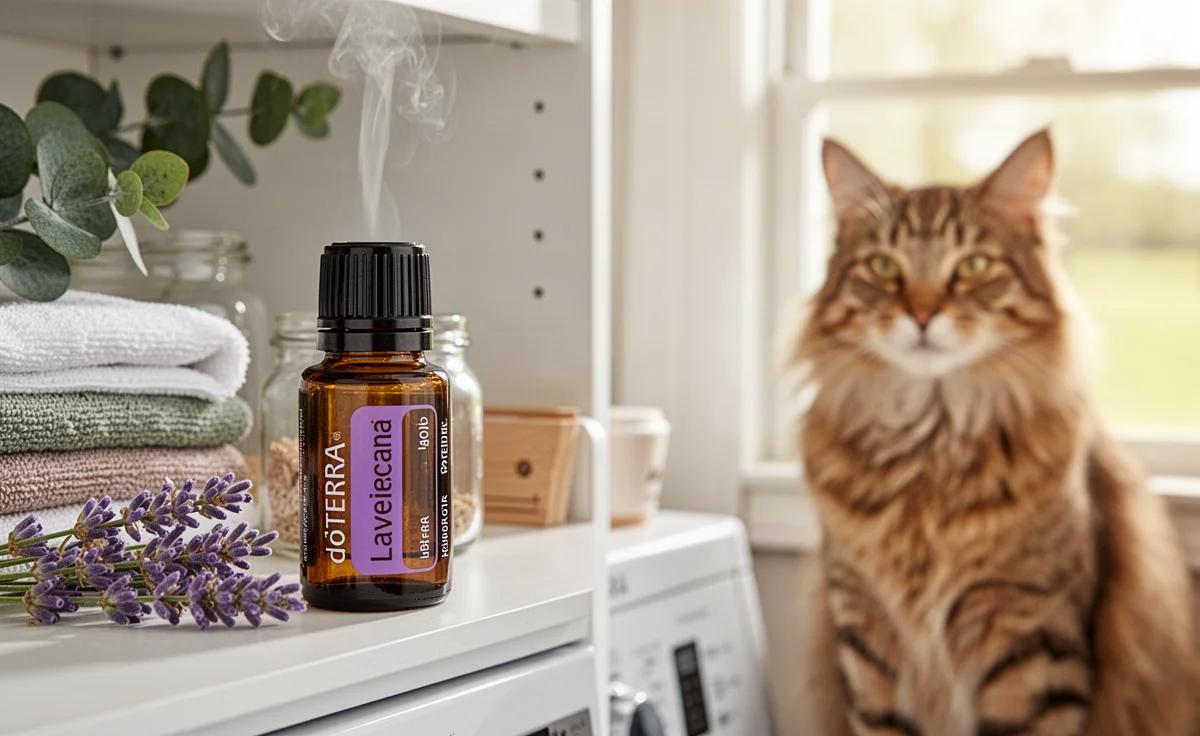
By the EssentialTail Team — pet owners, Wellness Advocates & doTERRA enthusiasts
You just set up a new diffuser, picked a beautiful oil, and then your cat walks into the room. Suddenly the question hits you: is this even okay? If you are reading this, you are probably wondering whether that calming aroma you love is something your pet can safely share. The short answer is that diffusing essential oils around pets is not automatically safe, and for some animals it can be genuinely dangerous. The right approach is veterinarian-first, species-specific, and always cautious. Cats, dogs, birds, and small mammals all process scents and compounds very differently, so what feels gentle to us can be intense or even toxic to them. That does not mean you have to give up diffusing entirely. It means you need a few clear rules before you press the button.
Which Pets Are Most at Risk
The most important thing we have learned is that not all pets carry the same risk. Cats sit at the top of the caution list because their livers lack a key enzyme that helps metabolise many compounds found in essential oils. Oils such as tea tree, oregano, thyme, cinnamon, clove, most citrus oils, peppermint, eucalyptus, wintergreen, and pine are especially concerning around cats, even when diffused. Birds and small rodents have extremely sensitive respiratory systems, so we generally recommend avoiding diffusion in their space altogether. Dogs fall somewhere in the middle: they tolerate more than cats, but that never means an oil is broadly safe for all dogs. Horses are a separate conversation entirely, because many substances, including some essential oils, are prohibited in equestrian competition under FEI anti-doping rules. When in doubt, we always tell readers to ask their veterinarian before introducing any aroma into a home with animals.
Here is a quick comparison to keep the differences clear:
| Pet | Sensitivity | What we recommend most often |
|---|---|---|
| Cats | Very high | Avoid risky oils entirely; keep diffusers away from cat-only rooms |
| Dogs | Moderate | Vet guidance first; never use oil directly on fur or skin |
| Birds and rodents | Extreme | No diffusion in their room without an avian or exotic vet's approval |
| Horses | Special rules | Consult vet and check FEI prohibited substances before any use |
How to Diffuse Responsibly Around Pets
If your veterinarian has given you the green light to diffuse in a shared home, the way you do it matters enormously. We always keep the animal's freedom at the centre of the routine, because an animal that cannot leave the room has no way to opt out.
- Ask your veterinarian before the first use, and follow the guidance on each doTERRA product label.
- Choose the room carefully. Pick a well-ventilated space the pet can leave at any time, and never diffuse in a closed room, a crate, or a transport carrier.
- Keep sessions short and light. A small amount in a room with moving air is always more considerate than a long, heavy session.
- Watch your pet. If they avoid the room, sneeze, drool, or seem unsettled, stop diffusing and contact your veterinarian.
- Store bottles and diffusers completely out of reach, because a curious animal can knock things over or lick up a spill.
For more on this, we wrote a full guide on diffusing essential oils safely around pets, as well as a closer look at essential oil diffuser safety with pets. Both cover the everyday routines we get asked about most.
If you do decide to keep diffusing in your own home, we tend to reach for gentler, pet-appropriate products from the doTERRA line rather than the high-risk oils. Lavender is one many owners know for its soft floral aroma, and Frankincense brings that warm, resinous note so many people love. Copaiba has a woody, almost honey-like character that feels calm and grounding, while Roman Chamomile offers a light, apple-like sweetness. Vetiver is our choice when someone wants a deeper, earthier scent in a shared human space, and Cedarwood sits in the same woody, comforting family. We also keep a soft spot for the animal-focused products in the doTERRA catalogue, though every choice still starts with the vet. The real reason we choose doTERRA is the CPTG testing standard: we know the bottle contains exactly what the label says, and that transparency matters when animals share our air.
Frequently Asked Questions
Can I diffuse essential oils if I have a cat?
Cats are the highest-risk species because their livers cannot process many compounds found in essential oils. Tea tree, citrus oils, peppermint, eucalyptus, cinnamon, clove, oregano, and thyme are especially dangerous. Do not assume any oil is safe for cats; ask your veterinarian before diffusing in a cat's home.
What should I do if my pet reacts badly to a diffuser?
Turn the diffuser off, move the pet to fresh air, and contact a veterinarian or an animal poison control centre such as the Pet Poison Helpline or ASPCA Animal Poison Control Center immediately. Do not wait to see if things improve, and do not try a home remedy.
Is it safe to put essential oils directly on my dog?
Never apply undiluted essential oil to a dog's fur or skin. What ends up on the coat can also be licked off and swallowed. Any topical use should only follow a specific recommendation from your own veterinarian.
Are there any oils that are safe for all pets?
No, and we avoid that phrase entirely. An oil that suits one species may be harmful to another, and even within a species individual health matters. There is no universal safe list for pets.
A Final Note
Diffusing around pets is possible in some homes, but only when caution leads the way. Know your species, keep sessions light, and let the animal walk away. When in doubt, the call always goes to your veterinarian first.
This content is for general information only and is not veterinary advice. Always consult a qualified veterinarian before using essential oils in a home with animals.