Best doTERRA Products for Pet Owners to Try
Discover the best doTERRA products for pet owners, from calming oils to home blends, with vet-first safety tips for dogs, cats, and horses. A practical guide.
By the EssentialTail Team — pet owners, Wellness Advocates & doTERRA enthusiasts
You have just come home after a long walk, the dog is sprawled on the cool floor, and the house smells faintly of wet fur and whatever you cooked three days ago. You want your home to feel fresh and calm, but you also remember your cat watches every diffuser like a hawk. The best doTERRA products for pet owners are the ones that fit into a home that is shared, supervised, and always veterinarian-first. We have found that the real stars are gentle oils used sparingly, dedicated pet-line products, and blends that make shared spaces feel relaxed without putting animals at risk. Below, we walk through the products we actually reach for, always with the reminder that what works for a dog differs from what works for a cat, horse, or bird.
Products We Actually Keep Around Pets
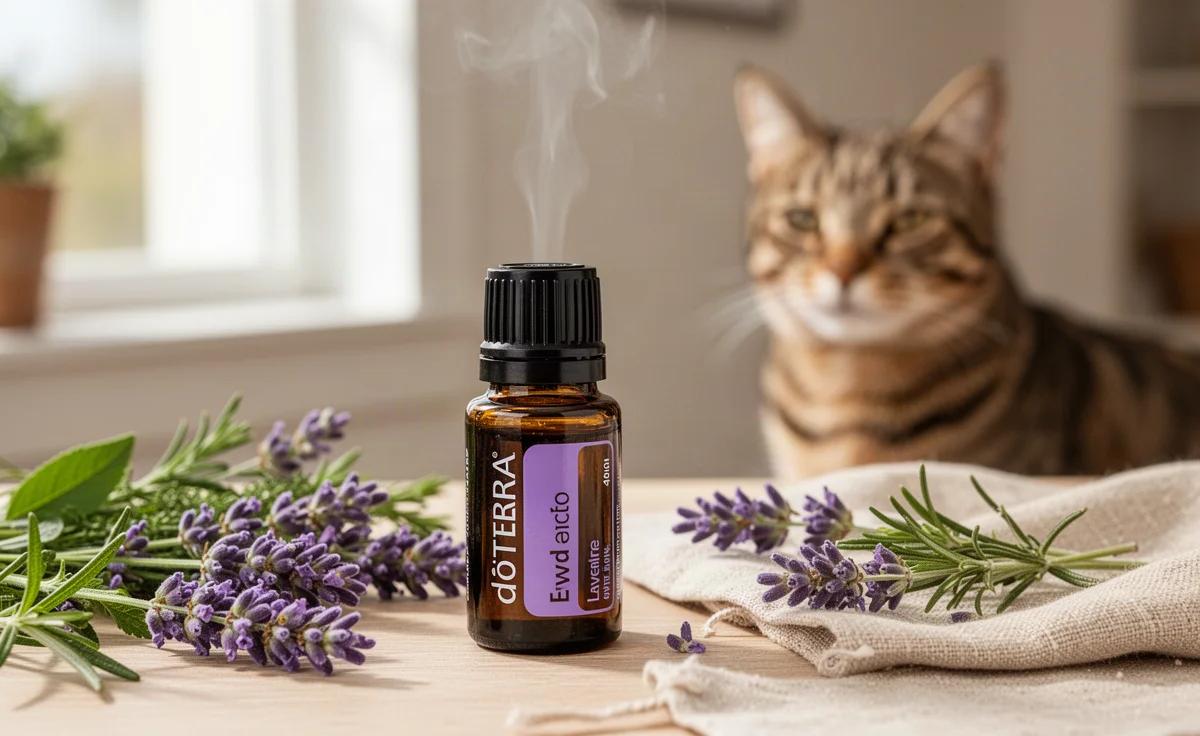
We do not treat every oil as interchangeable once animals live in the house. A few stand out because they are mild in aroma and widely discussed among owners as go-to options, never as treatments. Lavender is the one most pet households know first for its soft, floral, familiar scent. Frankincense is another we use for its warm, resinous, calming-tone aroma in large airy rooms. Cedarwood has a woody, outdoorsy character that fits homes with active dogs.
For busy households, the Aroma Essentials Collection gives a sensible starting set without pushing you toward strong oils. We also appreciate doTERRA Serenity for its gentle, comforting profile in adult spaces, used lightly and never in a closed room with an animal. Copaiba is one we reach for when we want something soft and subtle rather than sharp or minty.
| Product | Aroma Character | Household Role |
|---|---|---|
| Lavender | Soft, floral | Gentle shared-space diffusion |
| Frankincense | Warm, resinous | Calm atmosphere in open rooms |
| Cedarwood | Woody, grounding | Outdoorsy, dog-friendly feel |
| Serenity | Comforting blend | Adult relaxation, light use |
| Copaiba | Subtle, soft | Milder alternative in busy homes |
How to Use Oils Responsibly Around Animals
We follow the same sequence every time, because animals metabolize things differently and cats in particular lack the liver enzyme needed to process many compounds.
- Consult your veterinarian before using any oil on or around your pet. This is the first step, not a formality.
- Check the doTERRA product label and official guidance for that specific oil.
- Use only in spacious, well-ventilated rooms where the animal can get up and leave.
- Skip diffusion entirely around birds, rabbits, or rodents. Their respiratory systems are extremely sensitive.
- For cats, avoid tea tree, citrus, pine, eucalyptus, mint, cinnamon, and clove even in diffused form.
- Never add oils to food, water, treats, or put them on fur or skin without explicit veterinary approval.
For more detail on how we approach this, read our guide on doTERRA Pet Care Essential Oils Explained, and if you want to understand how buying works, doTERRA Membership for Pet Owners Explained covers it without pressure.
Common Mistakes Even Careful Owners Make
We see the same pattern again and again: someone buys a "calming" oil, sets the diffuser on a low shelf in the living room, and assumes a few drops are harmless. The mistake is rarely the oil itself — it is the placement and the dose. A diffuser set at nose height near a dog bed exposes your animal to a concentration far higher than what you experience standing up. Another common error is diffusing in a room with the door closed. Even if the pet can leave the room in theory, a closed door removes that escape route. Some owners also forget that oil residue settles on surfaces, water bowls, and toys near the diffuser. We recommend placing diffusers on a high shelf, away from food and water stations, and wiping down nearby surfaces between uses. If you would not want the oil directly on your pet’s paws, do not let it settle where they walk or nap.
A Practical Evening Routine for Pet Households
Think of diffusion as a timed event, not background noise. We like to diffuse for thirty minutes before the family settles in for the evening, then switch the diffuser off entirely when the animals come into the room. This gives the air time to soften without forcing the pet to sit in a concentrated cloud. If the cats share the living room, skip the evening diffusion altogether and use a passive method instead: place a single drop of Lavender on a wooden clothespin and tuck it on a high shelf near an air vent. The scent remains faint, and nothing enters the room at nose level. For dogs who pace during storms or fireworks, we prepare in advance by asking the vet about non-aromatic alternatives first, and we never rely on diffusion as a calming tool during a high-stress event. Reserve oils for times when you can watch your pet’s behavior closely and stop at the first sign of squinting, sneezing, drooling, or leaving the room more often than usual.
Frequently Asked Questions
What are the best doTERRA oils to diffuse around dogs? Owners often mention Lavender, Frankincense, and Cedarwood for their mild aroma, but no oil is automatically safe for every dog. Always ask your veterinarian first and use only in a room the dog can leave.
Which doTERRA oils should I never use near cats? Tea tree, citrus oils, pine, eucalyptus, peppermint, cinnamon, and clove are especially risky for cats. In our experience, the safest default is to avoid diffusion in cat-only rooms unless your vet says otherwise.
Can I use doTERRA oils on my horse? Horses are a veterinary matter entirely. Many substances, including essential oils, are prohibited in equestrian competition under anti-doping rules, so you must consult your vet and check the current prohibited-substances list before any use.
Is doTERRA Pet Care a real product line? Yes, and we recommend starting with dedicated animal products under veterinary guidance rather than repurposing general oils. Read labels carefully and follow doTERRA’s official instructions.
Conclusion
The best doTERRA products for pet owners are the ones chosen with caution, used in open air, and always approved by the veterinarian first. Purity and testing matter, but so does knowing when not to use an oil at all. A calm, pleasant home and a safe animal belong together.
This content is for general information only and is not veterinary advice. Always consult a qualified veterinarian before using essential oils in a home with animals.