Can I Use Lavender Oil on My Dogs Paws
Wondering if you can put doTERRA Lavender on your dog's paws? Learn the vet-first approach, safety rules, and how to use pure oils responsibly around your pet.
By the EssentialTail Team — pet owners, Wellness Advocates & doTERRA enthusiasts
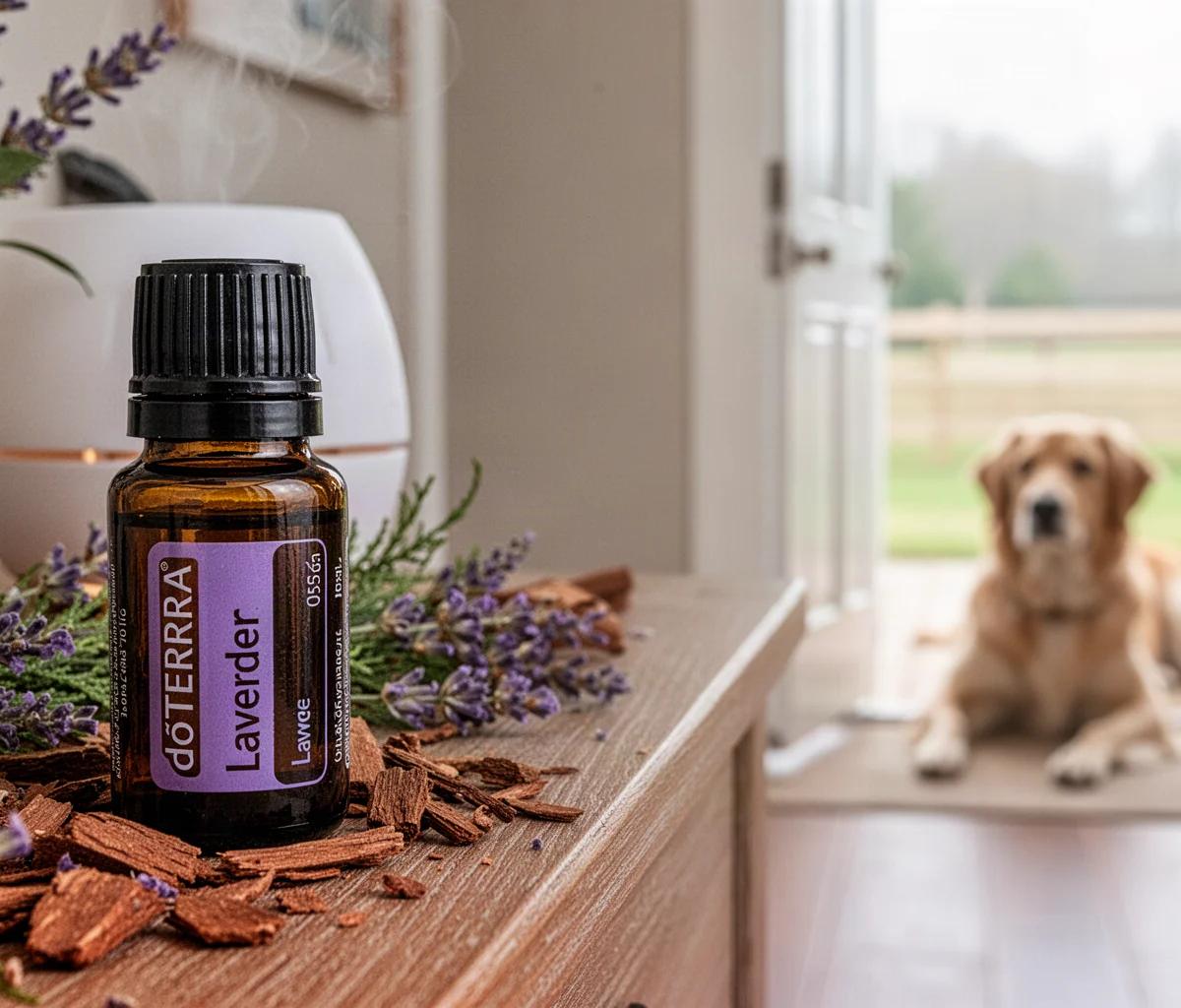
I remember the first time I held a bottle of pure lavender oil in one hand and my dog's paw in the other. He had been pacing all afternoon, and I just wanted to help him settle. If you have found yourself in that same moment, wondering if you can put a little lavender on your dog's paws, you are not alone. The short answer is that I would not apply essential oil directly to my own dog's paws without my veterinarian's explicit guidance. Paw pads can be sensitive, and dogs will instinctively lick anything placed there. In our experience, the safest way to enjoy the pleasant aroma of a pure lavender oil around your dog is by using it in a well-ventilated space where your pet is free to walk away, and always after talking to your veterinarian first.
What Makes Paws So Sensitive
A dog's paws are remarkable. They are built to handle different terrains, but they are also highly absorbent and full of nerve endings. This means that anything you put on them can enter the body quickly, and your dog will almost certainly try to lick it off. Ingestion of essential oils is something we always avoid because it can cause stomach upset or, in concentrated amounts, more serious issues. A pure product like doTERRA Lavender is powerful, and what is pleasant for us can be overwhelming for a dog's system if applied directly.
Before trying anything on the paws, I always ask myself a few key questions:
- Has my veterinarian approved this specific oil for my individual dog?
- Can I guarantee my dog will not lick the area for a significant amount of time?
- Is there a better, less risky way to share the aroma in our home?
The choice usually becomes clear. Putting oil on paws introduces a licking risk that is simply unnecessary when other ways exist to fill a room with a calming scent.
How to Use Lavender Aroma Around Dogs Responsibly
Creating a relaxed environment for both you and your dog does not require skin contact. We often reach for diffusion as a safer alternative for sharing a scent. A gentle aroma in the air is very different from putting concentrated drops on absorbent paw pads.
Here is the step-by-step routine I follow when diffusing around my own dogs:
- Set up in an open room. I place a diffuser in a spacious, well-ventilated area, never in a small, enclosed room or crate where the scent could become intense.
- Keep the door open. My dogs must always be free to walk out. If they leave the room, I know the aroma is too strong for them that day, and I let them choose to be elsewhere.
- Start with the smallest amount. I use the diffuser sparingly, running it for a short cycle, far less than I would in a completely pet-free space.
- Observe from a distance. I watch for any change in behaviour, such as leaving the room, sniffing the air excessively, or becoming unsettled. If I see any sign of discomfort, I turn the diffuser off and open a window.
| Application Method | Risk Level for Dogs | Why |
|---|---|---|
| Direct application to paws | High | Paw pads are absorbent, and licking leads to ingestion. |
| Application to collar or bandana | Medium | Still very close to the nose and can be licked. |
| Passive diffusion in an open room | Lower (with precautions) | Allows the dog freedom to leave and keeps the concentration lighter. |
For a grounding, woodsy alternative that many dog owners enjoy diffusing, I sometimes reach for doTERRA Cedarwood. It has a warm, comforting aroma that feels less floral and can be a pleasant presence in a shared living space, always under the same diffuser safety rules.
Purity Is Why the Details Matter
The reason we research so carefully before using any oil around our pets comes down to purity. A pure, tested oil like doTERRA Frankincense is potent. Its CPTG testing standard means there are no synthetic fillers, but it also means the natural constituents are highly concentrated. This is exactly why we treat every single drop with respect around our animals. When I want a soft, gentle scent in the home, I sometimes turn to doTERRA Roman Chamomile, which has a light, apple-like aroma that feels quiet and unobtrusive. Another mellow favourite in our home is doTERRA Vetiver, which is rich and earthy, though I diffuse it only briefly because its deep aroma can carry.
Understanding how pure these oils are is also why I always check with my veterinarian. If you are curious about whether lavender can even be considered safe for dogs, you might find our article on is lavender oil safe for dogs helpful for background. And if bath time is on your mind, our guide on using lavender oil in a dog bath walks through that topic carefully.
Related reading
Frequently Asked Questions
Can I put diluted lavender oil on my dog's paws? I would not, even diluted, without my veterinarian's specific approval. Paw pads are sensitive, and most dogs will still lick the area, ingesting what you have applied.
What if my dog licks lavender oil off his paws? Stop him from licking if you can, wipe the paw gently with a pet-safe wipe, and call your veterinarian or an animal poison control centre immediately for guidance. Never wait and see.
Is it better to put lavender on a bandana instead of paws? While a bandana keeps the oil off the skin, it is still very close to your dog's nose and mouth. A dog can also turn and lick the fabric. I still prefer open-room diffusion where the dog can move away entirely.
Choosing not to put lavender oil on my dog's paws is not about fear; it is about respect for how powerful and pure these little bottles are. The goal of a calm, relaxed evening together is absolutely achievable, simply by letting the scent float gently in the air of a room with an open door, so your dog can decide for himself whether to stay and enjoy it or wander off to his favourite spot.
This content is for general information only and is not veterinary advice. Always consult a qualified veterinarian before using essential oils in a home with animals.