doTERRA Lavender vs Cedarwood for Dog Anxiety
How do doTERRA lavender and cedarwood compare for a nervous dog? We look at aroma, diffusion, which oils suit which homes, and what to ask your vet.
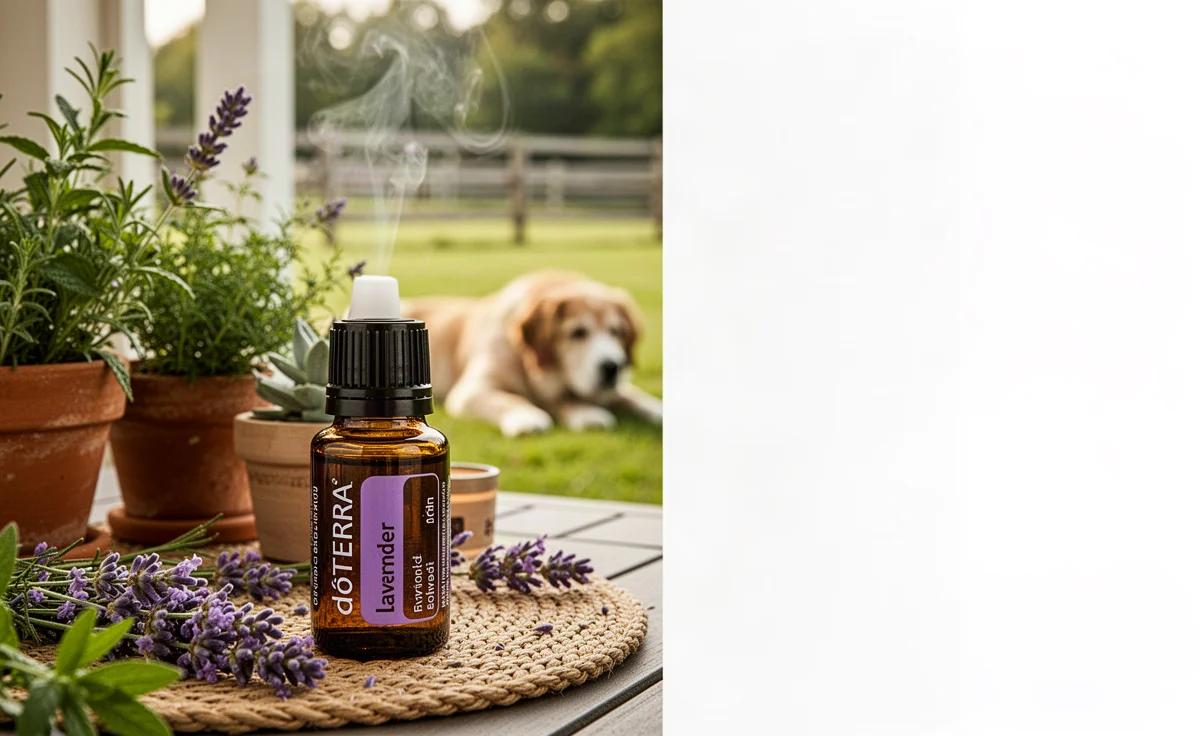
By the EssentialTail Team — pet owners, Wellness Advocates & doTERRA enthusiasts
You have probably stood in the kitchen after a long day, watching your dog pace by the door when a storm rolls in, wondering which little brown bottle might help the house feel calmer without you having to guess. It is a fair question, and one we get asked a lot. The short answer is that in most homes, lavender oil is the gentler, more familiar starting point for a shared space, while cedarwood oil leans warmer, woodier, and more grounding. Neither is a treatment for dog anxiety, and both should only ever be diffused in a well-ventilated room your dog can leave, after your veterinarian has been consulted. What we are really comparing is aroma, intensity, and how each oil fits a busy pet household.
Lavender vs Cedarwood at a Glance
Both oils have a place in a calm home, but they do not smell or feel alike. Lavender is floral, sweet, and instantly recognisable, while cedarwood is rich, dry, and forest-like. Dogs experience scent far more intensely than we do, so the lighter, cleaner profile of lavender often feels less overwhelming in a living room where a dog also rests. Cedarwood, on the other hand, is the oil many owners choose when they want something less floral and more rooted.
| Comparison point | Lavender | Cedarwood |
|---|---|---|
| Aroma character | Sweet, floral, soft | Warm, woody, earthy |
| Perceived intensity in a room | Gentler, lighter | Fuller, more present |
| Best suited to | Shared spaces, first-time diffusers, floral lovers | Wood-scent fans, evening wind-downs |
| Main watchpoint | Keep sessions short and the dog free to leave | Can feel heavy in small, closed rooms |
| Species caution | Ask your vet first; never apply topically | Ask your vet first; never apply topically |
How to Compare Them for Your Dog
We always suggest keeping the decision simple and practical, because the dog is the only judge that matters. Here is how we would approach it:
- Ask your veterinarian first. Every dog is different. Before diffusing either oil, confirm with your vet that it is reasonable for your individual animal, especially if your dog has respiratory issues, is very young, or has any chronic condition.
- Smell the oils yourself first. Open each bottle at arm's length and notice which aroma feels calmer to you. If cedarwood smells like a woodshop to you, that intensity will only grow in a diffuser.
- Diffuse in short sessions, in a large, well-ventilated room. Use the lowest amount your diffuser instructions allow, and never in a closed room. Keep the door open and watch your dog.
- Let your dog choose. If he walks out of the room, that is your answer. The best oil is the one your dog tolerates happily.
- Revisit the vet if anything changes. Heavy panting, sneezing, drooling, or any odd behaviour means you stop, air the room, and call your veterinarian or an animal poison control centre immediately.
Pet owners searching for the wider picture often find our longer comparison of the best doTERRA oils for dog anxiety useful, and our puppy separation anxiety review covers how different homes approach the same question with younger dogs.
Which One Should You Choose If…
Choose lavender if you are new to diffusing around a dog, prefer a light floral scent, or want something that feels unobtrusive in a shared living area. Its softer profile is often the easier introduction for a household that has never diffused around animals before.
Choose cedarwood if you actively dislike floral aromas and want something earthy and warm for evening quiet time. It works well in larger rooms, and many owners enjoy its grounding, outdoorsy character, provided their dog is free to leave at any point.
Be honest about the downsides too. Lavender is not universally loved, and some dogs simply do not enjoy floral diffusion. Cedarwood can fill a small room quickly, and that intensity can be unpleasant for a sensitive nose. Neither oil should ever be applied to your dog's coat, bedding, or skin, and neither belongs in a space your dog cannot leave.
A third option worth knowing is roman chamomile oil, which has a soft, apple-like sweetness some owners prefer over both in a busy home. Copaiba is another we see mentioned by dog owners who want something woody but much milder than cedarwood, and vetiver has a deeply earthy profile that appeals to those who find cedarwood too sharp. Every one of these is a CPTG pure and tested oil, but purity does not change the fact that animals need veterinary guidance first.
Frequently Asked Questions
Is lavender or cedarwood safer for dogs?
Neither is automatically safe for every dog. Both should only be diffused in a ventilated space the dog can leave, after your veterinarian approves. What matters most is the individual animal and the room setup.
Can I mix lavender and cedarwood for dog anxiety?
Some owners do diffuse them together in small, well-ventilated sessions, and the combination can be pleasant. But mixing changes the intensity, so it is even more important to ask your veterinarian first and watch your dog closely.
Why does cedarwood feel stronger than lavender?
Cedarwood simply has a heavier, woodier scent, and a dog's sense of smell amplifies it far more than ours. That is why a large, open room and a short diffusion session matter more with cedarwood.
Can I put doTERRA oils on my dog's bed?
No. Essential oils should not be applied to your dog's bedding, coat, or skin without direct veterinary supervision. Diffusion at a safe distance is different from direct contact.
A calm home comes from routine, space, and knowing your own dog, not from choosing the perfect bottle. If we had to start with one oil, we would start with lavender, in a large room, for a short time, with the door open. Then we would let the dog tell us the rest.
This content is for general information only and is not veterinary advice. Always consult a qualified veterinarian before using essential oils in a home with animals.