doTERRA Oils for Puppy Separation Anxiety Review
Our honest review of using doTERRA oils for puppy separation anxiety. What to know about safety, the best products, and why your vet comes first.
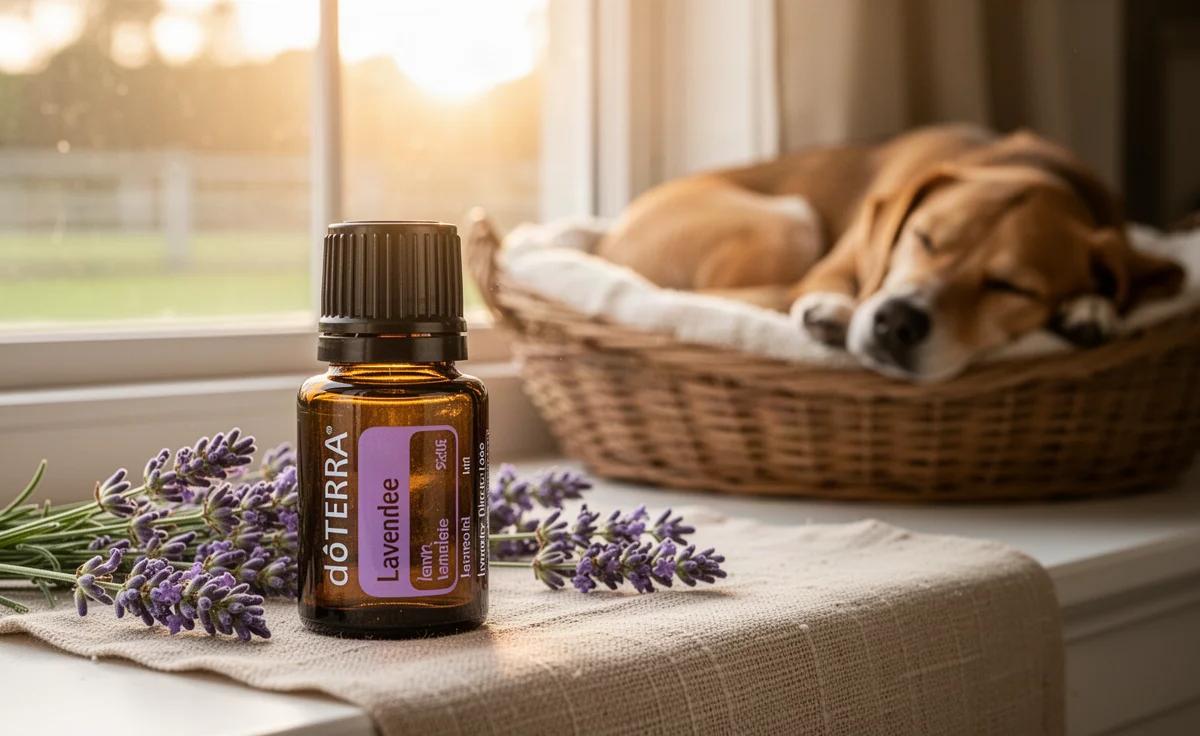
By the EssentialTail Team — pet owners, Wellness Advocates & doTERRA enthusiasts
If you have ever stood outside your front door listening to your puppy howl, you already know the ache of leaving them behind. The short answer to whether doTERRA oils can help with puppy separation anxiety is this: they can play a supporting role in creating a calmer home environment, but they are not a treatment, and your veterinarian must be your first call. Our verdict is that doTERRA products are worth considering for their purity and quality, but only as one small piece of a broader, vet-guided plan.
What We Reviewed and How It Works
Puppy separation anxiety is a behavioural challenge that needs patience, training, and often professional input. Essential oils do not solve it. What they can do, in our experience, is contribute to a more settled atmosphere in shared spaces while you work on the underlying issue with your vet or a qualified trainer.
The appeal of doTERRA here is its CPTG testing standard, which gives owners confidence in what is inside the bottle. When we looked at products commonly discussed by dog owners in relation to a calm home, three stood out: Lavender, Roman Chamomile, and Cedarwood. Each is known for a soft, grounding aroma that many owners choose for shared human spaces. We also appreciated the Adaptiv blend, which is designed to promote a sense of steadiness in busy moments.
| Product | Aroma Profile | What Many Owners Use It For | Vet-First Note |
|---|---|---|---|
| Lavender | Floral, soft, familiar | Creating a gentle backdrop at home | Ask your vet before diffusing near any puppy |
| Roman Chamomile | Sweet, apple-like, mild | Light, comforting room ambiance | Ensure puppy can leave the room freely |
| Cedarwood | Warm, woody, grounding | Calm evenings and quiet time | Never apply directly to a puppy's coat |
| Adaptiv | Fresh, mildly floral blend | Steadier mood during transitions | No substitute for behavioural training |
Practical, Responsible Use Around a Puppy
If your veterinarian has given the green light, here is the step-by-step approach we recommend for keeping things low-risk at home.
- Start with the vet. Describe your puppy's anxiety signs honestly. Ask whether diffusing any essential oil in your home is appropriate for your individual dog.
- Choose one gentle aroma. In our experience, Lavender is the most commonly mentioned starting point among dog owners, but your vet may suggest otherwise.
- Diffuse in a large, ventilated room. Keep the door open and always give your puppy a clear way to walk away. Never diffuse in a crate, a small closed room, or anywhere the puppy cannot leave.
- Keep sessions short and occasional. Do not run the diffuser all day. A light, brief session in a shared space is enough to notice whether the atmosphere shifts.
- Watch for any signs of discomfort. Sneezing, pawing at the face, drooling, or restlessness means stop diffusing, air out the room, and contact your vet.
We also want to flag two helpful resources we have written on this topic: our guide to the best doTERRA oils for dog anxiety and a closer look at which essential oils are safe for dogs with anxiety.
One clear con is important to state: no essential oil, including Frankincense or Vetiver, addresses the behavioural root of separation anxiety. Relying on scent alone can delay the real training your puppy needs. Another con is the risk of misuse. Puppies explore with their mouths, and anything on the floor or low furniture becomes a chew toy.
Common Mistakes Owners Make When Using Oils Around a Stressed Puppy
One of the most frequent missteps we see is owners applying diluted oils to a puppy’s bedding, collar, or crate mat in the hope that the scent will “follow” the dog. This removes the puppy’s ability to opt out — the exact opposite of what responsible aromatherapy requires. A puppy that cannot escape a scent may become more agitated, not less, and can develop a negative association with the very space you want to feel safe. Another mistake is assuming that because an oil is from a trusted brand like doTERRA, it is automatically gentle enough for a young dog. Puppies have thinner skin, faster metabolisms, and more sensitive respiratory systems than adult dogs, which means even a small amount of diffused oil can be overwhelming. Finally, many owners diffuse oils as a first response before any training foundation is in place, which can create the illusion of progress while the underlying panic remains untouched. The oil becomes a bandage, not a tool.
Building a Calm-Environment Routine That Includes Oils Wisely
Instead of reaching for the diffuser only during departures, incorporate scent into the puppy’s daily rhythm at moments when they are already relaxed. For example, diffuse a minimal amount of Lavender during a quiet afternoon while your puppy is chewing a frozen Kong or settling on an open mat. Over time, the aroma becomes linked to calm, not to the stressful moment of you grabbing your keys. This is called scent-conditioning, and it is far more useful than introducing an oil during a panic episode. Pair the aroma with a predictable pre-departure cue — a special long-lasting treat, low-key music, and no dramatic goodbyes — so the scent is one thread in a larger tapestry of calm. Keep a log of each session: when you diffused, for how long, and what your puppy’s body language showed. After two weeks, you will have concrete data to discuss with your vet or trainer about whether the routine is helping.
Frequently Asked Questions
Can doTERRA oils cure puppy separation anxiety? No. Essential oils are not a treatment for behavioural conditions. They may only support a calm environment while you work with a veterinarian or certified trainer on the underlying issue.
Which doTERRA oil is safest for puppies? No essential oil is universally safe for every puppy. Lavender and Roman Chamomile are frequently discussed by dog owners for their gentle aromas, but only your veterinarian can tell you what is appropriate for your individual dog.
Should I diffuse oils while my puppy is alone? We do not recommend it. Diffusing should happen only in a ventilated space where the puppy is supervised and free to leave the room. If you are not home, there is no one to monitor for signs of discomfort.
What if my puppy reacts badly to a diffused oil? Stop diffusing immediately, open windows to air the room, and contact your veterinarian or an animal poison control centre such as the ASPCA Animal Poison Control Center or Pet Poison Helpline right away.
Final Verdict
We would recommend doTERRA oils only as a minor, vet-approved addition to a serious behavioural plan, not as the plan itself. For purity and sourcing confidence, the brand earns its reputation. But for a puppy in distress, there is no substitute for professional guidance, steady training, and time.
This content is for general information only and is not veterinary advice. Always consult a qualified veterinarian before using essential oils in a home with animals.