doTERRA Pet Care Products, a Simple Overview
A vet-first look at doTERRA pet care products, what owners actually use, and how to keep dogs, cats, and horses safe around essential oils. A practical guide.
By the EssentialTail Team — pet owners, Wellness Advocates & doTERRA enthusiasts
You are standing in the kitchen, diffuser humming, dog asleep on the rug, and you wonder if what smells good to you is actually okay for him. We have all been there. Here is the direct answer: doTERRA does not market a single "pet care line" for casual use at home. What exists is a thoughtful, small animal-focused range, a lot of owner education, and one non-negotiable rule: your veterinarian decides what touches, enters, or surrounds your animal. Everything else is secondary.
We have spent years learning where doTERRA shines for pet owners, and the honest truth is that the brand's real strength is not a magic pet product. It is purity, testing, and the fact that you always know what is in the bottle. That matters when you share a home with animals.
What doTERRA Actually Offers for Animals
When we talk about doTERRA pet care products, what we mean, in practice, looks like this.
The most relevant items pet owners recognise are the animal-specific blends, the gentler single oils some owners use under veterinary guidance, and the tools for a calm shared space. What doTERRA emphasises is its CPTG standard, which stands for Certified Pure Tested Grade. It is the company's own purity and testing process, and that transparency is the main reason pet owners choose this brand over something generic from a supermarket shelf.
Here is how those categories compare for a typical household with a dog or cat.
| Product Type | What It Is | Veterinary-First Reality |
|---|---|---|
| Animal-focused blends | Formulated with animals in mind | Still requires vet approval before any use |
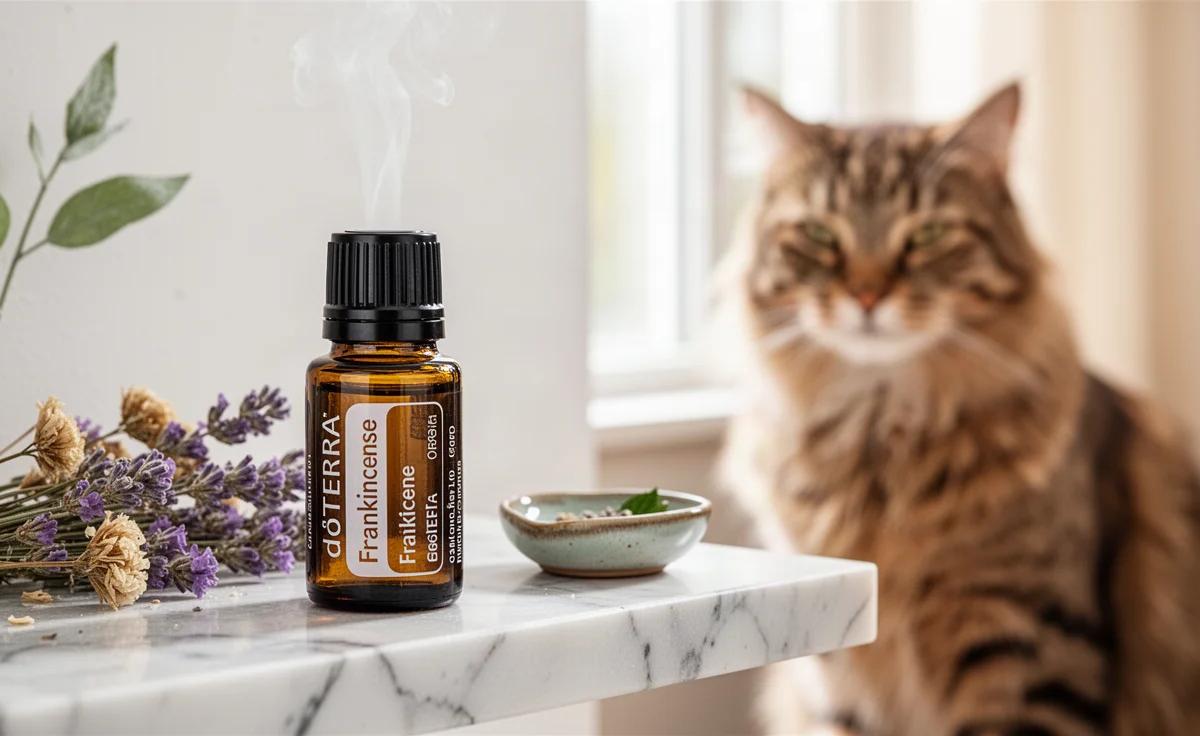
| Single oils like Frankincense | Pure, well-tested aromatics | Not automatically safe for every species |
| Diffusers | For pleasant home aromas | Must be used in an open, ventilated room |
| Human wellness staples | Like Lavender | Never a substitute for veterinary care |
Notice what is missing from that table: dosing advice. That is deliberate. We do not provide drop counts, dilution ratios, or diffusing amounts for animals, and we never will.
How to Approach doTERRA with Pets at Home
If you are new to this, here is a gentle, pressure-free process we recommend most often.
- Name your goal. Is it a calmer evening atmosphere for you, with your dog nearby? A pleasant-smelling living room? Start there, not with the oil.
- Pick a vet-first product. Some owners begin with the doTERRA Animal Care Range after their veterinarian has reviewed the label. That guide explains the range simply, without claims.
- Choose a gentle aromatic. For a shared human space, softer oils like Cedarwood or Roman Chamomile are often discussed by owners. We have also found Vetiver to be a popular grounding choice for quiet evenings.
- Set up the room correctly. Door open, window cracked if possible, never an enclosed space, and the animal always free to leave. The animal's ability to walk away is the single most important safety feature in any home diffusion.
- Watch, then ask. Note how your pet behaves. If anything seems off, stop, air the room, and call your veterinarian. Not tomorrow, not after a Google search, but right away.
What elevates doTERRA here is not that it makes animals "better." It is that the purity and consistency mean you are not guessing about contaminants, and the best doTERRA products for pet owners tend to be the ones used minimally, thoughtfully, and with professional input. Some also keep the PB Restore probiotic formula on hand for their own daily routine, completely separate from anything animal-related.
One special warning, because it bears repeating. Cats are uniquely sensitive. They lack a key liver enzyme for metabolising many aromatic compounds, so oils like Tea Tree, citrus, peppermint, eucalyptus, cinnamon, and clove should simply be avoided in a home with cats. That includes diffusing them into shared air. This is not a preference. It is a physiological difference.
For horses, the conversation shifts again. We refer every equestrian to their veterinarian before any aromatic use, and for competition horses, to the FEI prohibited-substances list. Something that smells lovely to a human can have serious regulatory consequences in the show ring.
Frequently Asked Questions
Does doTERRA make a dedicated pet line? doTERRA has a small animal-focused range, but it is not a free-for-all. Every product still requires professional guidance before use with any animal.
Can I diffuse essential oils around my dog? Some owners do, but only in a well-ventilated room with the door open and the dog free to leave. Never use a closed space, and always confirm the specific oil with your veterinarian first.
Why are essential oils so risky for cats? Cats lack the liver enzyme needed to process many essential oil compounds, so what is mild to us can accumulate in their bodies. Several oils, especially Tea Tree and citrus, are outright dangerous around cats, even diffused.
The most useful thing we have learned is that doTERRA pet care works best as a quiet partnership between you, your veterinarian, and the product label. Purity buys you confidence. It never buys you the right to skip professional advice.
This content is for general information only and is not veterinary advice. Always consult a qualified veterinarian before using essential oils in a home with animals.