Which doTERRA Oils Are Safe With Cats and Birds
Wondering which doTERRA oils are safe with cats and birds at home? A pet lover shares what they have learned about responsible, vet-first aromatic living.
By the EssentialTail Team — pet owners, Wellness Advocates & doTERRA enthusiasts
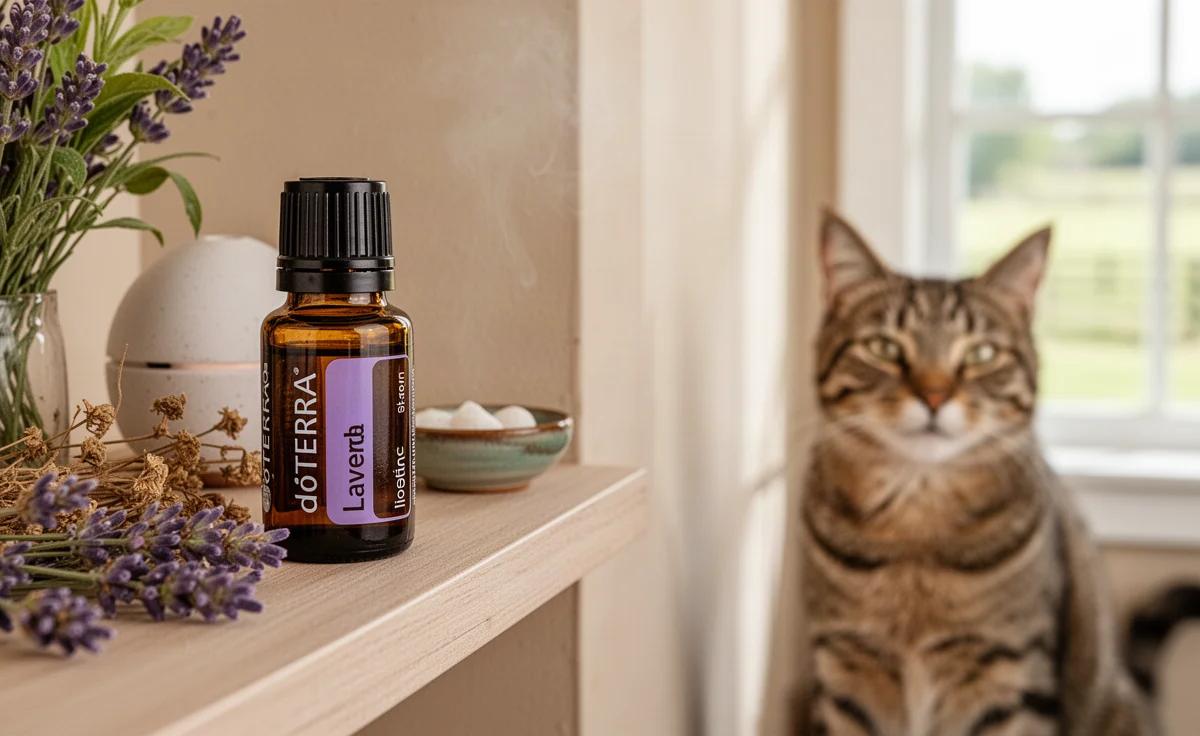
The first week I brought home my little gray tabby, I realized I had been diffusing Lavender every evening without checking what that meant for her. If you are reading this, you are probably wondering the same thing I did. Let me start with the most honest answer I can give: no essential oil should be called broadly safe with cats and birds. Cats and birds have exquisitely sensitive biology, and the safest path is always to ask your veterinarian before diffusing anything in a home they share. What I can share, from my own experience and from reliable sources, is how to think about these oils responsibly.
Which Oils Desk People Often Ask About
When I talk with other pet owners, a few doTERRA oils come up again and again because they are so common in the home. The key is not to look for a "safe list" but to understand the risk differences.
Here is the comparison I share most often:
| Oil | Why It Comes Up | What Matters Most |
|---|---|---|
| Lavender | A beloved, gentle aroma in many homes | Ask your vet about the room setup first |
| Frankincense | A grounding, quiet scent | Check ventilation and let pets leave freely |
| Cedarwood | A warm, woody smell people enjoy | Never use directly on birds or cats |
| Lemon / citrus | Bright, fresh | High caution for cats, avoid around birds |
| Tea Tree | A musty, strong cleaning smell | Never around cats or birds, period |
| Peppermint / Eucalyptus | Strong, piercing aromas | Keep away from birds, use great care with cats |
The animal poison experts, including the ASPCA Animal Poison Control Center and the Pet Poison Helpline, are very clear: if a pet is accidentally exposed to an essential oil, the right response is to contact a veterinarian or an animal poison control centre immediately. No home remedy, no waiting. I say this up front because it is the rule I live by.
A Calmer Home, Step by Step
What I have come to understand is that the goal is not to find the one "safe" oil. The goal is to create a home where rich smells and curious animals do not collide badly. Here is the mental checklist I walk through in my own house:
- Ask the veterinarian first. This is the starting point, always. Your vet knows your specific cat, bird, dog or horse and can give you guidance that fits.
- Check the animal's freedom. Any diffuser must be in a place the animal can leave. A bird cannot leave a cage, which is exactly why diffusion around birds is so difficult to recommend without a vet's specific input.
- Keep amounts light. I never give myself a precise number of drops because there is no universal number that works around animals. Less is best in a shared space.
- Store everything closed and high. A curious cat can topple a bottle in seconds. My own oils live in a cabinet, never on a counter.
- Watch the animal's body language. If a cat squints, moves away, or a bird fluffs up, the session stops immediately.
- Never apply oils to a pet. Diffusion, if approved by a vet, is already a big step. Topical use or ingestion is entirely off the table.
That last point matters. Cats lack a liver enzyme that helps process many compounds in essential oils. Phenolic oils like Oregano, Thyme, Clove and Cinnamon are especially dangerous. Tea Tree, citrus oils, Peppermint, Eucalyptus and Wintergreen are also high concern for cats. Birds, rabbits and rodents have extremely sensitive airways. For those animals, I simply do not diffuse unless an avian or exotic vet has approved the exact setup.
Which doTERRA Products Fit This Careful Life
Here is what I love about doTERRA in all of this: the company's testing and purity standard, Certified Pure Tested Grade, also known as CPTG, is rigorous. That is the real reason many pet owners reach for doTERRA when they discuss aromas with their veterinarian. Purity matters to me because if I am going to have any product in a shared home at all, I want one that is tested and traceable.
From my own home, the oils I keep in mind for calm, low-key aromas are Lavender, Frankincense, Cedarwood, and Roman Chamomile. These are not "safe for cats" statements. They are simply aromas many owners discuss with their vet, and they are among the products I reach for when I want a soft, quiet background in my human spaces. For a refreshing but pet-cautious option, I reach for Copaiba or Vetiver, both of which have dry, grounding scents. Most often, I recommend that readers start with the dedicated Aroma Essentials Collection, which gives a small, manageable introduction without a wall of bottles.
For anyone wondering about a softer subject with these animals, I have written about calming oil safe around dogs cats and birds. If you share your home specifically with a cat, you might also appreciate my honest take on safe doTERRA oils for cats.
Frequently Asked Questions
Which doTERRA oils are safe with cats and birds?
No essential oil should be described as broadly safe for cats and birds. Cats and birds have highly sensitive biologies. The right approach is to ask your veterinarian before diffusing anything in a home they share.
Can I diffuse doTERRA Lavender in a house with a cat?
Some owners ask their veterinarian about diffusing Lavender in a large, airy room the cat can freely leave. Others avoid diffusion entirely. Your veterinarian should guide that decision for your specific cat and home.
Why are cats more sensitive to essential oils than dogs?
Cats lack a liver enzyme that helps process certain compounds found in many essential oils. This makes oils like Tea Tree, Oregano, Thyme, Clove, Cinnamon, citrus oils, Peppermint and Eucalyptus especially concerning for them.
Are birds at risk from essential oil diffusers?
Yes. Birds have extremely delicate respiratory systems, and many veterinarians advise against diffusing essential oils around them at all. If you have a bird, speak with an avian veterinarian before any aromatic use in your home.
What should I do if my cat licks essential oil?
Contact your veterinarian or an animal poison control centre such as the ASPCA Animal Poison Control Center or the Pet Poison Helpline immediately. Do not attempt a home remedy or wait to see what happens.
The Honest Bottom Line
Living with animals and loving wonderful aromas at the same time takes more care than a lot of us expected at first. My rule is simple: your veterinarian knows your pet better than any blog post ever will. Choose pure products by their testing, keep the air light, and never let a pleasant smell outweigh an animal's wellbeing.
This content is for general information only and is not veterinary advice. Always consult a qualified veterinarian before using essential oils in a home with animals.