Can I Diffuse doTERRA Oils Around My Dog
Wondering if you can diffuse doTERRA oils around your dog? Learn which oils to avoid, safe practices, and the vet-first approach every pet owner needs.
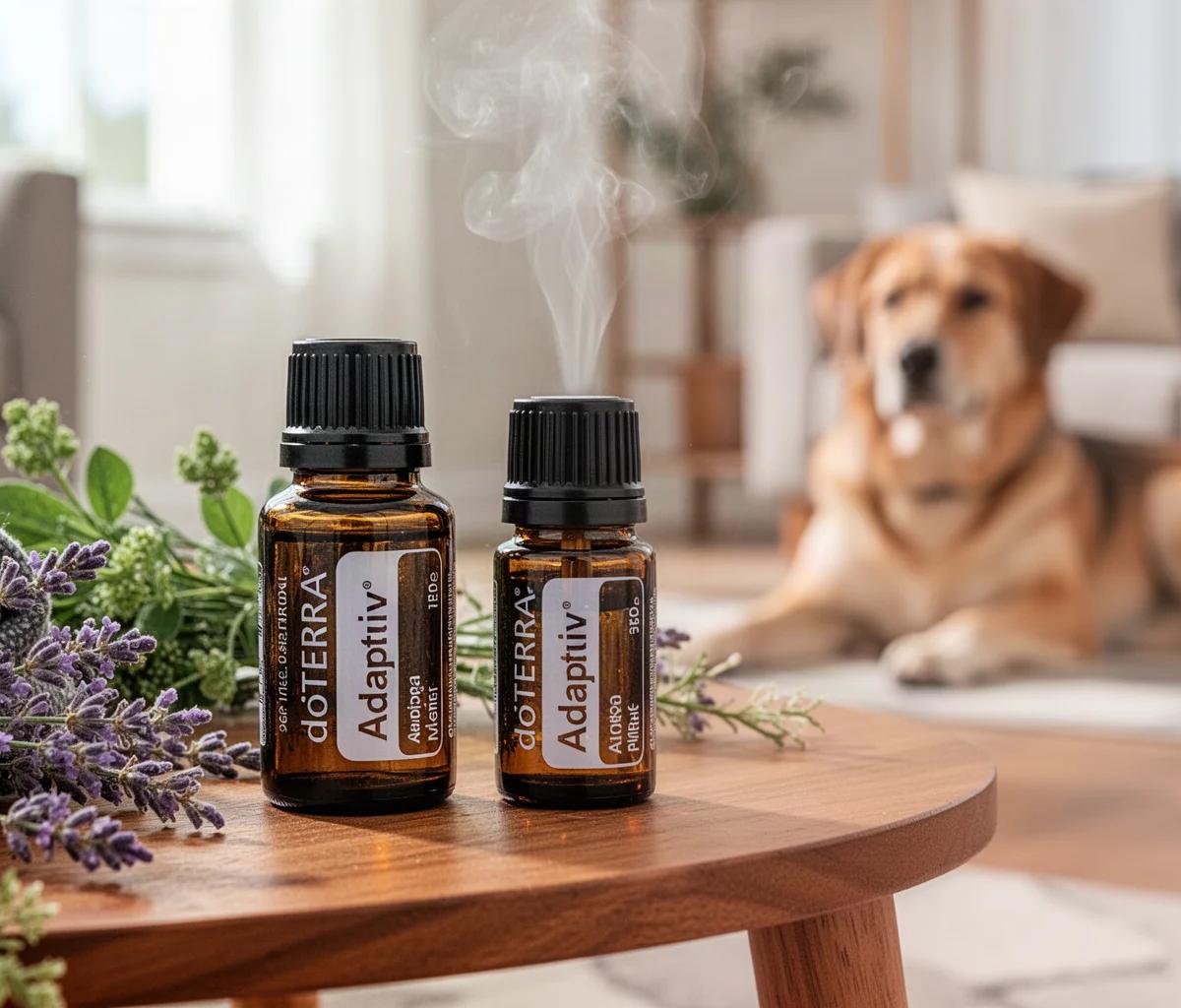
By the EssentialTail Team — pet owners, Wellness Advocates & doTERRA enthusiasts
I still remember the first time I unboxed my new diffuser, picked out a bright, cheerful oil, and then froze, staring at my golden retriever asleep on the rug. It is a moment almost every oil-loving dog owner has: can I actually run this thing with her in the room? The short answer is that yes, you can diffuse doTERRA oils in a home with a dog, but only if you follow a veterinarian-first, cautious approach that respects your dog’s sensitive nose, keeps the space well-ventilated, and avoids a specific list of risky oils entirely. Diffusion is never automatically safe, and what smells pleasant to us can be overwhelming or even harmful to them. The good news is that with the right habits and pure, tested oils, you can create a calm, fresh-smelling home that works for everyone.
Getting Diffusion Right, A Vet-First Mindset
Before you fill your diffuser, the most important step is to speak with your veterinarian. Every dog is an individual: a brachycephalic breed, a senior dog, or a pup with respiratory sensitivity will have different needs than a healthy young working breed. I always tell friends that a vet who knows your dog’s health history should be the first person to weigh in.
Once you have that green light, the physical setup matters enormously. Always diffuse in a room where your dog can walk away. An open door or a clear path to another part of the house lets them vote with their paws if the aroma becomes too much. Keep the diffuser well out of reach, on a high shelf or a sturdy counter, so a curious nose cannot knock it over. Ventilation is your best friend: crack a window or run an air purifier at the same time so the scent never concentrates.
I treat diffusion around dogs the way I treat a new food: start small and observe. Run the diffuser for only 10 to 15 minutes at first, then watch your dog’s body language. Any sign of watery eyes, sneezing, pacing, drooling, or suddenly wanting to leave means you should stop, clear the air, and ring your vet.
Oils to Avoid Versus Oils to Approach Carefully
This is the knowledge every dog owner needs to have in their back pocket. Certain essential oils are well-documented as being too intense or outright risky for dogs, and they should never be added to a diffuser in a shared space. I keep a mental list that includes Tea Tree (Melaleuca), Oregano, Thyme, Cinnamon, Clove, Peppermint and other mints, Eucalyptus, Wintergreen, Pine, and most citrus oils like Lemon, Wild Orange, Bergamot, Grapefruit, and Lime. These are always a no for me around my dog, regardless of how much I love their scent for myself.
On the other side, many dog owners I know diffuse gentler options with extra care. Oils such as Lavender (linked for information), Frankincense (linked for information), Cedarwood (linked for information), Copaiba (linked for information), and Roman Chamomile (linked for information) are frequently mentioned in conversations about calm, pleasant home aromas. I have also seen Vetiver (linked for information) and the doTERRA Serenity restorative blend referenced in the same context. None of this is a safety guarantee, you still need your veterinarian’s approval, but it gives you a starting point for that conversation.
| Oil Category | Examples | Notes for Dogs |
|---|---|---|
| Generally approached more carefully (with vet guidance) | Lavender, Frankincense, Cedarwood, Copaiba, Roman Chamomile, Vetiver, Serenity | Often mentioned for calming home environments; always light and brief diffusion, dog able to leave |
| Avoid entirely around dogs | Tea Tree, Oregano, Thyme, Cinnamon, Clove, Peppermint, Eucalyptus, Wintergreen, Pine, citrus oils | Potentially harmful; never diffuse in a shared space regardless of the reason |
Purity matters here, and that is where doTERRA’s CPTG testing gives me genuine peace of mind. When I do diffuse, knowing the oil is free of synthetic fillers or pesticides means I am only dealing with what the label says, nothing more. It also means the aroma tends to be cleaner and less harsh, which matters when a sensitive animal nose is involved. The Diffusing Essential Oils Around Dogs Safely guide on our site goes deeper into setting up a safe environment, and the Can You Diffuse doTERRA Oils Around Dogs Safely article walks through the exactly how-to that I follow at home.
If you are looking for a diffuser designed to run gently, the doTERRA Aroma Essentials Collection (linked for information) includes compact, mist-controlled devices that make it easier to keep things light. I also appreciate having the Petal Diffuser nearby because its intermittent settings help me avoid over-scenting a room my dog occupies.
Related reading
- Can You Diffuse doTERRA Oils Around Dogs Safely
- Diffusing doTERRA Oils Around Pets Safely
- Diffusing Essential Oils Around Dogs Safely
Frequently Asked Questions
How long can I diffuse doTERRA oils around my dog? Start with 10 to 15 minutes of intermittent diffusion in a well-ventilated room, then stop and observe your dog for any signs of discomfort. Every dog responds differently, and your veterinarian can help you settle on a duration that works.
Which doTERRA oils should I absolutely avoid diffusing near a dog? Tea Tree (Melaleuca), Oregano, Thyme, Cinnamon, Clove, Peppermint and other mints, Eucalyptus, Wintergreen, Pine, and citrus oils like Lemon, Wild Orange, Bergamot, Grapefruit, and Lime should never be diffused in a room your dog can access. When in doubt, skip that oil and ask your vet.
Can a diffuser in a different room still affect my dog? Yes, scent travels, and a dog’s nose is far more sensitive than ours. Always ensure doors are open, airflow is moving, and your dog has the ability to seek out a completely unscented part of the house if they choose.
A Calm Home, One Decision at a Time
At the end of the day, living well with oils and a dog comes down to small, thoughtful choices. Choose pure oils, choose a light hand, and choose to put your dog’s comfort first. That balance is what makes a home feel good for everyone who lives in it.
Adaptiv · Arborvitae · Balance · Console · Copaiba · Copaiba Touch
This content is for general information only and is not veterinary advice. Always consult a qualified veterinarian before using essential oils in a home with animals.