Diffusing doTERRA Oils Around Pets Safely
Can you diffuse doTERRA oils around pets? Yes, with caution. Learn vet-first safety basics for dogs, cats, and other animals in your home, and which oils to avoid.
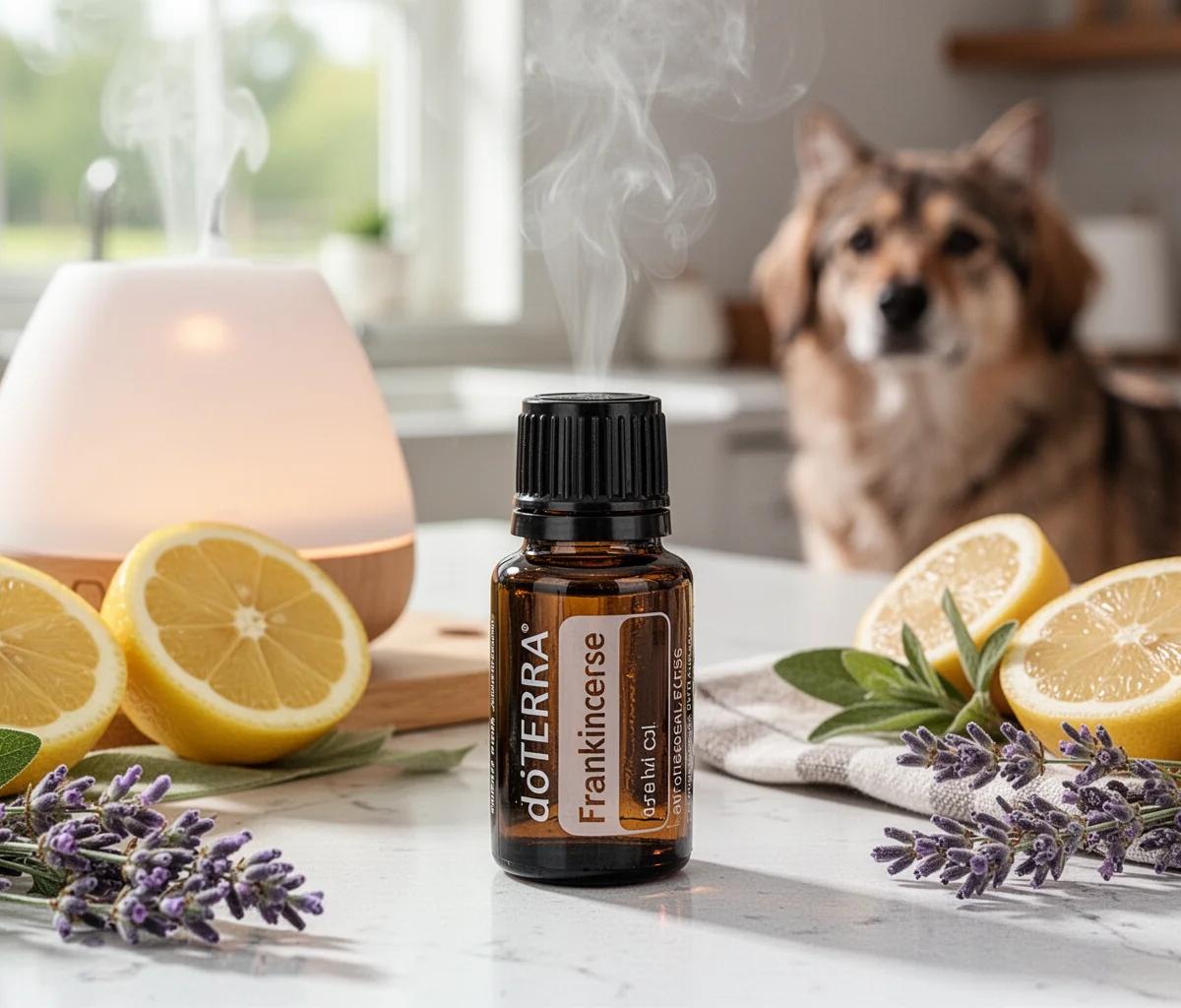
By the EssentialTail Team — pet owners, Wellness Advocates & doTERRA enthusiasts
I still remember standing in my living room, a brand-new diffuser in hand, glancing at my dog curled up on the sofa. The question stopped me cold: "Is this actually okay for him?" If you're reading this, you've probably paused right there too. The short answer is that diffusing essential oils around pets can be done, but it demands real caution, not just a casual "it's natural, so it must be fine." The non-negotiable first step is always a conversation with your veterinarian, particularly for cats, birds, or any animal with respiratory sensitivities. A responsible approach starts with understanding that an animal's sense of smell and liver function is vastly different from ours, and a scent we find pleasant can be overwhelming or genuinely harmful to them.
A Simple, Vet-First Approach to Home Diffusion
Creating a calm, pleasant-smelling home is something many pet owners enjoy, and it’s one of the reasons people explore doTERRA’s pure oils. I’ve learned that the goal isn’t to treat or change a pet’s behavior with aroma, that's a veterinary matter, but simply to diffuse responsibly in a shared space where an animal is free to leave. The foundation is practical and experiential, always putting the animal's well-being first.
Here is a step-by-step approach I use and recommend, refined through the guidance of many veterinarians and fellow pet owners:
- Consult your vet first: Before you even fill your diffuser with water, have a specific conversation with your veterinarian. List the exact oils you are considering, and do not proceed without their approval. This is not a general wellness chat; it’s a critical safety check.
- Choose your space and time carefully: Only diffuse in a large, open room with excellent ventilation. Never in a small, enclosed space like a bathroom or bedroom where a pet cannot easily exit. I often run a diffuser for no more than 15-20 minutes, in a room the animals can choose to avoid.
- Let your pet decide: The most important feature of any diffusing setup is an open door. Watch your pet’s body language. If they leave the room, sneeze, drool, or seem unsettled, turn the diffuser off immediately. Their nose knows more than we do.
- Select oils with extreme caution: This is the big one, and the subject of the next section.
Knowing Which Oils Pose a Risk
This is where the idea of "natural equals safe" falls apart completely. My personal rule is simple: if I’m unsure, I don’t diffuse it. Many pet owners are surprised to learn that some of the most popular oils are also the most problematic. A dog’s acute sense of smell makes a strong aroma overpowering, but for cats and birds, the danger is often metabolic and respiratory.
This table breaks down the risk levels for common doTERRA oils in a diffusing context, based on general veterinary cautions:
| Risk Level | Oil Examples | Reason for Concern | Action for Pet Homes |
|---|---|---|---|
| High Risk (Especially for Cats & Birds) | Tea Tree (Melaleuca), Oregano, Thyme, Cinnamon, Clove | Phenolic compounds; cats lack the liver enzyme to process them. Potentially toxic. | Do Not Diffuse around cats or birds. For dogs, extreme vet caution is required. |
| High Risk (Respiratory & Skin) | Peppermint, Eucalyptus, Wintergreen, Pine, most citrus oils (Lemon, Wild Orange, Bergamot, Grapefruit, Lime) | Potent aroma can cause respiratory distress. Many are dermal irritants. | Do Not Diffuse around cats, birds, or small pets. High risk for dogs; avoid casually. |
| Generally Lower Concern (Dogs, Vet-First) | Frankincense, Cedarwood, Copaiba | Gentler aroma profile. Sometimes chosen by dog owners in consultation with holistic vets. | Only with veterinarian approval. Diffuse in a dog’s free-choice space, never on/near the animal. |
The absolute, zero-exception rule is that you must never link, praise, or monetize a potentially harmful practice. You’ll notice the high-risk oils are simply named as plain text for a reason, giving them a link or a positive frame while warning about them would be irresponsible. The focus for any shared space stays on purity and quality, like the rigorous CPTG testing that doTERRA applies to oils such as Vetiver or Roman Chamomile, which some dog owners are more familiar with for their own calming routines. These are options to discuss with a professional, never a pet-care prescription. For more on navigating this, our article on Diffusing Oils Around Pets the Safe Way goes into greater detail.
Related reading
- Choosing doTERRA Oils for a Home with Pets
- Diffusing Oils Around Pets the Safe Way
- doTERRA Pet Care Essential Oils Explained
Frequently Asked Questions
What is the safest way to test if a diffused oil bothers my dog? The safest way is to start without the animal present. Diffuse a tiny amount of a vet-approved oil in a far-off, open room for a few minutes, stop, and then allow your dog to enter and leave freely while you watch their behavior for any hesitation, sneezing, or exit-seeking.
Can I use the doTERRA Pet Care line in a diffuser? The doTERRA Pet Care products are topical formulas, designed to be used on an animal's coat under specific label and veterinary guidance, not aerosolized in a diffuser. You should follow the product label instructions exactly and never use a topical product in a way it wasn't intended.
Are any diffusers better than others for a home with pets? A cool-mist, water-based ultrasonic diffuser that runs intermittently is often preferred, as it doesn’t heat the oil and alter its chemistry, emitting a lighter concentration of mist than a nebulizing diffuser. Even so, the ventilation and the animal’s ability to leave the room matter far more than the specific device.
What are the signs a diffused oil is causing my cat distress? Cats are masters at hiding discomfort, but subtle signs include squinting, watery eyes, drooling, pawing at the mouth, sneezing, coughing, or most clearly, immediately leaving the room and refusing to come back. If you see any of these, stop diffusing, move the cat to fresh air, and call your veterinarian.
Creating a home that smells pleasant for you and remains 100% safe for a pet is a balance of awareness and restraint. The real comfort comes from knowing you’ve prioritized their keen senses and unique biology, asking a qualified professional first, and erring on the side of caution with every new aroma.
This content is for general information only and is not veterinary advice. Always consult a qualified veterinarian before using essential oils in a home with animals.