Choosing doTERRA Oils for a Home with Pets
Wondering which doTERRA oils are safe around pets? Learn how to choose oils for dogs, cats and horses with confidence through a veterinarian-first approach.
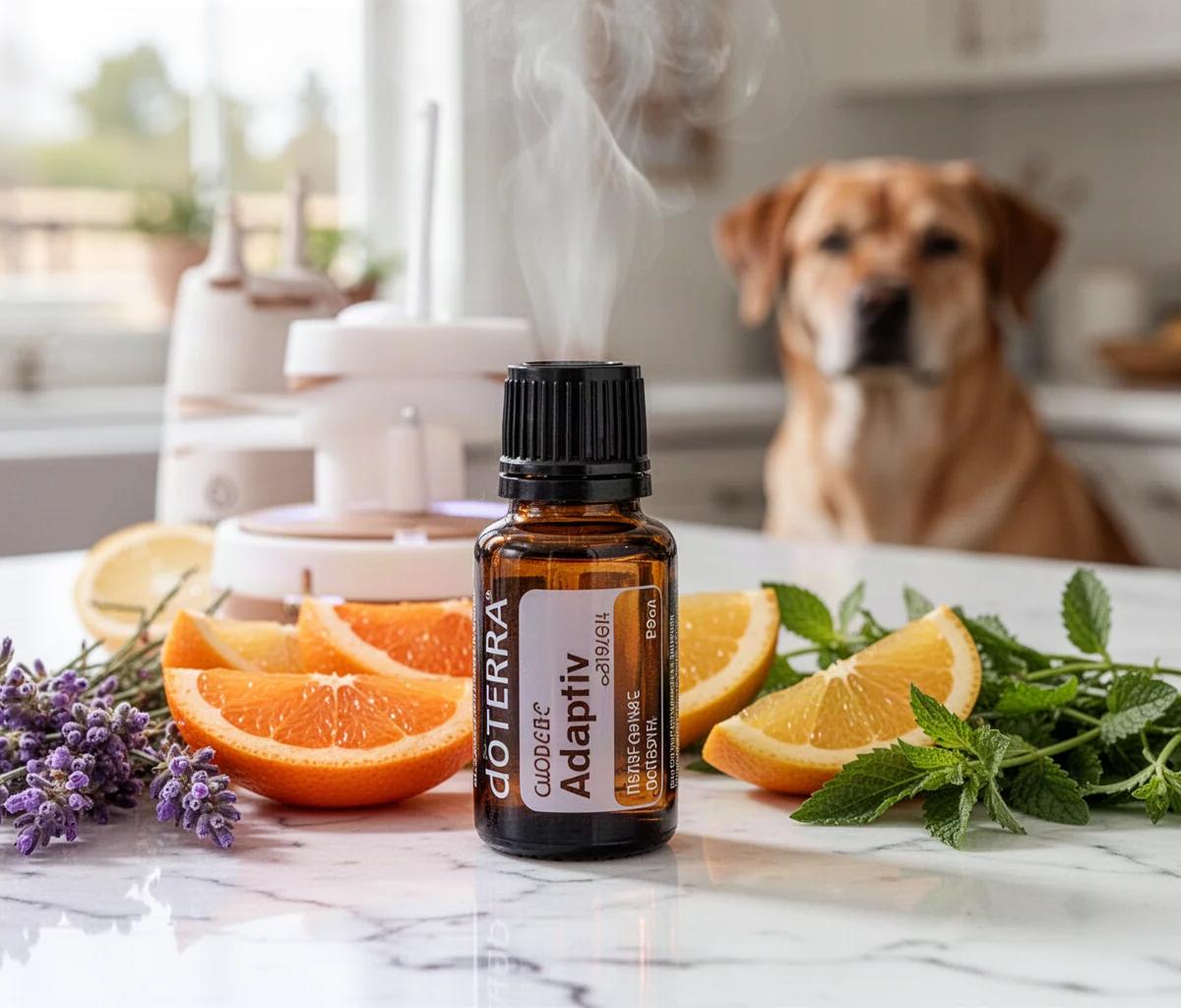
By the EssentialTail Team — pet owners, Wellness Advocates & doTERRA enthusiasts
When I brought home my first cat, I remember staring at my diffuser and thinking, "Can I even use this anymore?" If you are reading this, you have probably wondered the same thing. The short answer is that you can still enjoy doTERRA oils in a home with animals, but choosing them safely means thinking like a pet owner first and an oil lover second.
The foundation is simple. Always ask your veterinarian before using any oil around your pet. Always choose doTERRA for purity and the CPTG testing standard, never for a promised effect on your animal. And always treat cats as the highest-risk family member, because many oils are toxic or even fatal to them. From there, choosing oils becomes a conversation about ventilation, placement, and knowing your animal's habits.
What to Look for When Choosing Oils Around Dogs and Cats
The first thing I do is separate the oils into two mental piles, those I am comfortable diffusing in shared spaces and those I keep out of the house entirely. This comparison table reflects what many pet-experienced owners follow.
| Situation | Approach |
|---|---|
| Diffuser in open living area | Keep it light, well-ventilated, and in a room the pet can leave |
| Pet sleeping nearby | Turn the diffuser off or move it to another room |
| Applying oils to your own skin | Wash hands before touching the pet |
| Oil spilled on pet fur | Call a veterinarian or animal poison control immediately |
| Cat in the home | Treat many oils as off-limits, including Tea Tree, Oregano, Thyme, Cinnamon, Clove, citrus oils, Peppermint, Eucalyptus and Wintergreen |
What I have come to understand is that the real question is not "which oil is safe for my pet" but "which oils do I trust enough to use in a shared, open, pet-aware home." For that, I reach for the gentler, earthier profiles. Lavender is the one many owners know for its soft floral calm in human spaces. Frankincense brings a warm, resinous depth that never feels sharp. Roman Chamomile has a soft, apple-like aroma that feels gentle even to me. The common thread is that none of them go into a pet's body or onto their fur, and none of them are running in a closed room.
For a home with pets, I also look at the doTERRA line designed with animals in mind. The concept is straightforward, doTERRA's pet-care products exist to make choosing easier, but the label and your veterinarian still guide every decision. You can read more about how those products actually work in our guide to doTERRA pet care essential oils explained.
How to Choose doTERRA Oils for Your Specific Pet
Here is the step-by-step approach I use, and what I recommend most often when a friend asks.
Identify every animal in the house. Cats, birds, rabbits and rodents change the answer completely. A home with a bird is a home where I simply do not diffuse, full stop, without an avian vet's approval.
Talk to your veterinarian first. Before buying anything new, ask about your specific animal, their age, their health, and your home layout. This is not a checkbox, it is the actual decision-maker.
Choose oils for the human space, not the animal. Pick aromas you love for your own daily rituals, like Copaiba for its soft, balsamic warmth or Vetiver for its deep, grounding earthiness. The goal is a pleasant home, not a treatment for your pet.
Set up the room around the animal. Diffuse only in a space the pet can leave freely. Keep the door open, a window cracked, and the diffuser high and out of reach.
Watch your animal in real life. If your dog sneezes, drools, or walks away, that is information. Stop diffusing and reassess. No oil is worth pushing past your pet's own signal.
Choose doTERRA for quality, always. The reason I stay with doTERRA is the CPTG testing and the consistency of what is in the bottle. That matters more in a pet home, not less.
For a deeper look at how this applies across the whole doTERRA catalogue, our article on choosing doTERRA oils for a home with pets walks through more real-world examples.
Related reading
- How to Buy doTERRA Products, Step by Step
- Choosing doTERRA Oils for a Home with Pets
- doTERRA Pet Care Essential Oils Explained
Frequently Asked Questions
Can I diffuse doTERRA oils in a room my cat can enter?
Cats are the highest-risk pets when it comes to essential oils. Many oils, including Tea Tree, Oregano, citrus oils and Peppermint, can be toxic or even fatal to cats. The safest default is to avoid diffusing in any space a cat cannot leave and to ask your veterinarian before anything else.
Which doTERRA oils do pet owners most often choose for shared spaces?
In our experience, owners select gentler, earthier profiles like Lavender, Frankincense, Roman Chamomile, Copaiba, and Vetiver. This is about aroma in human spaces, never about treating the animal, and every choice still goes through the veterinarian first.
What should I do if my dog knocks over an essential oil bottle?
Do not wait and do not try a home remedy. Contact a veterinarian or an animal poison control centre immediately. Time matters, and a professional needs to see the situation.
Can I put doTERRA oils on my dog's fur or skin?
Never do this without direct veterinary guidance. Oils are concentrated and a dog's body is different from yours. The veterinarian decides whether any use is appropriate and how to do it.
Are doTERRA pet-care products automatically safe for every pet?
No product is automatically safe for every animal. doTERRA's animal-focused line is a useful starting point because it is designed with pets in mind, but you still follow the label exactly and check with your veterinarian first.
Choosing oils for a home with pets is really about choosing thoughtfulness over impulse. The oils you love can still have a place in your daily routine, just not in a way that puts your animal at risk. Ask the vet, trust the quality, and keep the door open.
Adaptiv · Arborvitae · Balance · Console · Copaiba · Copaiba Touch
This content is for general information only and is not veterinary advice. Always consult a qualified veterinarian before using essential oils in a home with animals.