Diffusing Essential Oils Around Birds and Small Pets
Birds and small pets have sensitive lungs. Learn what to know before diffusing oils, which rooms to avoid, and safer ways to keep your home smelling fresh.
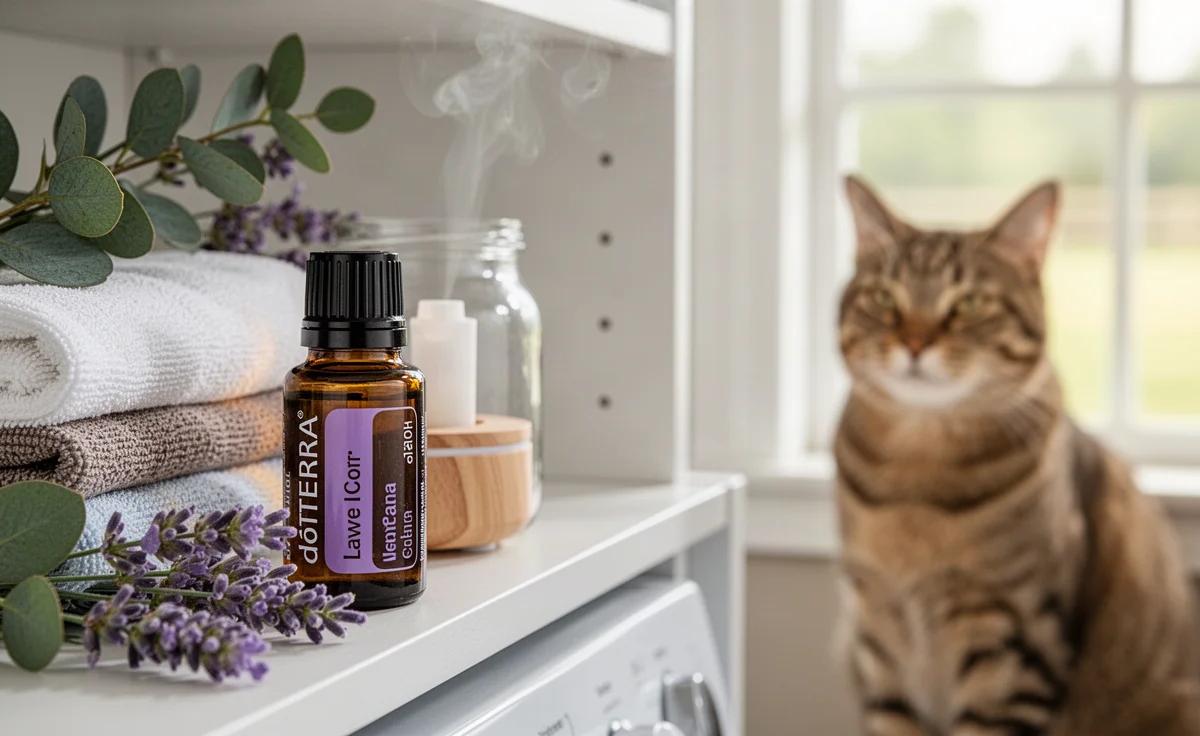
By the EssentialTail Team — pet owners, Wellness Advocates & doTERRA enthusiasts
It starts with the best intentions: the house feels stuffy, the diffuser is sitting there, and you want that calm, clean aroma drifting through the room. But if you share your home with a parrot, a rabbit, a guinea pig, or a hamster, the question changes. Their lungs are not built like ours.
The Honest Answer for Bird and Small Pet Homes
Birds have an extremely delicate respiratory system that is fundamentally different from a mammal's. What is a pleasant, light scent to us can be overwhelming, or in serious cases rapidly dangerous, for a bird. Small pets like rabbits and rodents fall into a similar caution zone because their airways are tiny and sensitive.
Because of this, the default guidance from veterinarians and animal poison control organizations such as the ASPCA Animal Poison Control Center is clear: do not diffuse essential oils in a room that houses birds, and treat rabbits, rodents, and other small pets with the same caution unless your exotic or avian veterinarian has told you otherwise. Even then, the safest choice remains not diffusing in their space at all.
This is not about one brand being better than another. It is a physiological reality. Our advice to readers is always veterinarian-first, especially when an animal's breathing is involved.
What Changes When a Bird Lives in the Room
Birds move air through their bodies differently than we do. Their respiratory system includes air sacs that extend through much of the body, which means airborne particles travel far beyond just the lungs. What we exhale or filter out, they may not.
Here is what changes with small pets in the home:
| Factor | Birds and Small Pets | Humans |
|---|---|---|
| Airway size | Very small, highly sensitive | Comparatively large |
| Respiratory system | Birds have air sacs; rodents have narrow passages | Lungs with strong filtering capacity |
| Exposure to diffusion | High risk in same room | Generally tolerated |
| Ability to leave the smell | Often confined to cage or enclosure | Can walk away freely |
Because a bird or hamster cannot simply leave a diffused room, the responsibility falls entirely on you to keep that space free of airborne oils.
Practical Steps if You Still Diffuse Elsewhere
If you want to use a diffuser in your home while keeping birds or small pets safe, here is the step-by-step approach we recommend:
Keep the door closed. Diffuse only in a room the animal never enters, and keep the door fully shut during and after the session.
Ventilate before sharing. Air out the space for a long while before a bird or small pet comes near that area.
Wash hands after handling oils. Oils on fingers can transfer to fur, feathers, bedding, or food.
Store oils and diffusers away from enclosures. Curious beaks and teeth explore everything.
Ask your veterinarian first. If you are unsure, the exotic or avian vet who knows your specific animal is the authority.
For a broader look at protecting these sensitive family members, read our guide on non toxic diffuser oils for bird and dog homes. We also cover the topic from a wider pet household angle in diffusing doTERRA oils around pets safely.
If you choose to diffuse in a part of the home with no small animals, products like doTERRA Lavender or doTERRA Roman Chamomile are known for their soft, gentle aroma in human spaces. doTERRA's CPTG testing standard gives us confidence in purity and quality, which matters when any scent is in the air.
When you are ready to build a thoughtful collection for adult human spaces, the doTERRA Aroma Essentials Collection is a popular starting point. For focused moments, doTERRA Frankincense and doTERRA Cedarwood are warm and grounding options. And if you are looking for a ready-made set, the doTERRA Essentials Kit covers the basics beautifully.
Frequently Asked Questions
Can I diffuse essential oils in a separate room from my bird?
Only if the room is fully closed off, the bird never enters it, and the air is well ventilated before the bird comes near. Even then, many avian veterinarians say the safest choice is no diffusion at all in a home with birds.
What should I do if my bird or small pet is accidentally exposed to diffused oils?
Immediately move the animal to fresh air and contact a veterinarian or animal poison control center such as the ASPCA Animal Poison Control Center. Do not wait to see if symptoms appear.
Are some essential oils safer for birds than others?
No. The sensitivity of a bird's respiratory system is not about which oil is used, but about airborne particles in general. Vets consistently advise keeping diffusers away from birds entirely.
Do rabbits and guinea pigs have the same sensitivity as birds?
They are not as sensitive as birds, but their small airways make them far more vulnerable than dogs or cats. Treat them with the same caution: no diffusion in their space without veterinary approval.
A Simple Rule to Live By
When an animal cannot leave a scented room, that room should not be scented. The freshest home is the one where everyone, feathered or furry, breathes easily.
This content is for general information only and is not veterinary advice. Always consult a qualified veterinarian before using essential oils in a home with animals.