Non Toxic Diffuser Oils for Bird and Dog Homes
Discover how to choose non toxic diffuser oils for bird and dog households. Learn which aromas to avoid, safer options, and why your vet should guide every.
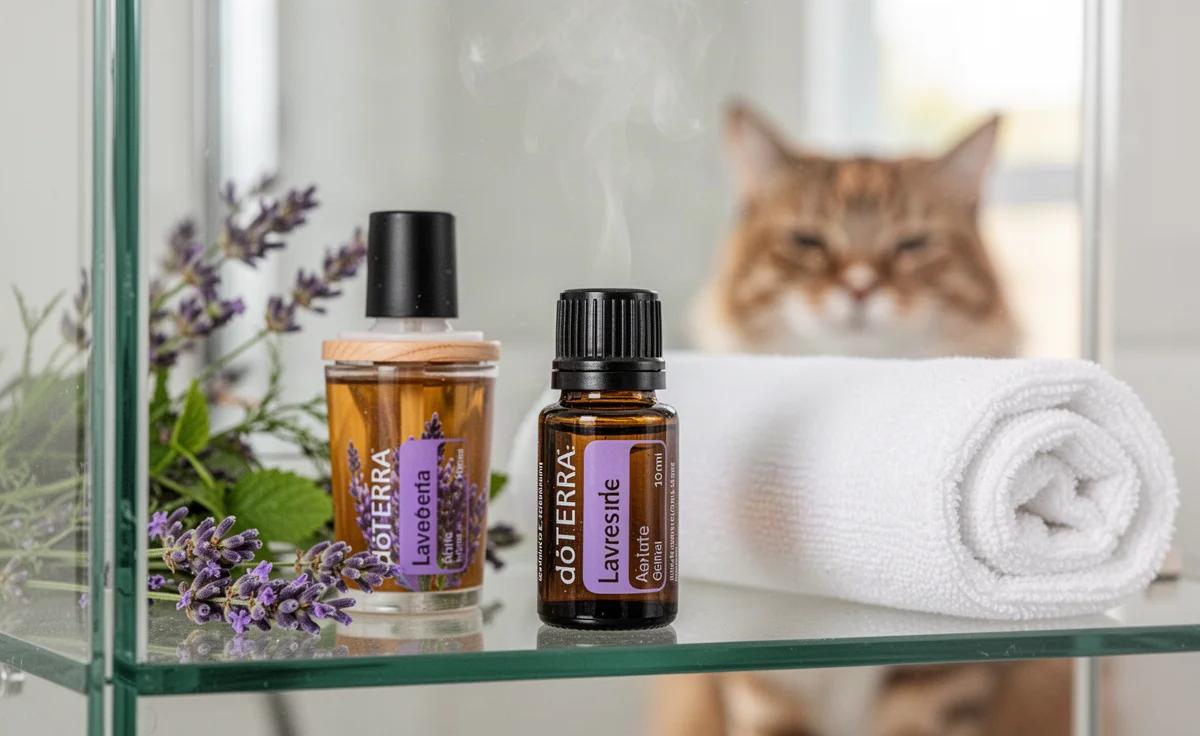
By the EssentialTail Team — pet owners, Wellness Advocates & doTERRA enthusiasts
You are standing in the kitchen with a new diffuser in one hand and a bottle of oil in the other, while your dog naps under the table and your parakeet chirps from the living room. The question that stops you is the right one: which aromas can actually share a home with animals this sensitive?
The honest, direct answer is that no essential oil should be called universally safe for every pet, and for birds especially, the safest choice is often no diffusion at all in their immediate space. A bird's respiratory system is extraordinarily delicate, and what smells gentle to us can be overwhelming or even dangerous to them. For dogs, a well-ventilated room, a diffuser placed out of reach, and a door the dog can walk through any time are the real starting points. Your veterinarian should always approve any aroma before it enters a shared home, because "non toxic" is a promise only your vet can help you make for your individual animals.
What Actually Makes a Diffuser Oil Risky Around Pets
The danger is rarely the diffuser itself. It is the concentration of aromatic compounds in the air, the size of the room, and the species breathing it. Birds and small animals have respiratory systems that process airborne particles very differently from ours, so an oil that is lovely in a human bedroom is not automatically gentle in a room where a bird preens.
For dogs, the nose is the sensitive organ. A dog's sense of smell is vastly more powerful than ours, so even a light, pleasant aroma reads as intense. Oils with sharp, penetrating profiles, such as peppermint, eucalyptus, wintergreen, pine, cinnamon, clove, oregano, thyme, and most citrus oils, are generally the ones to keep out of shared spaces unless your veterinarian says otherwise. In our experience, the oils most discussed gently by pet owners are softer and less aggressive on the nose.
Cats are also part of many multi-pet homes, and they bring an entirely different set of risks. The same sharp oils listed above are especially problematic for felines because of how their bodies process certain compounds. If a cat lives in the house, the cautious approach is to keep diffusers in rooms the cat can leave freely and to ask your vet before introducing any aroma at all. For a closer look at aromas that tend to be discussed more gently around mixed-species homes, our guide to calming oil safe around dogs cats and birds walks through the practical side of that question.
Fragrances Worth Discussing With Your Vet
When pet owners ask us about softer aromas, a few doTERRA oils come up more often than others, always in a vet-first, experiential register. We describe them by their scent and everyday use, never as a safety guarantee for any animal.
| Oil | Aroma Character | Practical Notes for Pet Homes |
|---|---|---|
| Lavender | Floral, soft, familiar | A gentle floral many owners already know; still requires vet approval around birds |
| Frankincense | Warm, resinous, grounding | A calm, earthy note often used in adult human spaces |
| Cedarwood | Woody, warm, steady | A soft woody aroma, but never assume it is right for a bird |
| Roman Chamomile | Sweet, apple-like, soft | Among the softest florals pet owners mention; still species-dependent |
| Copaiba | Mild, slightly woody, subtle | A quiet, unobtrusive aroma often described as one of the least sharp |
The practical rule we return to is this: choose the mildest aroma you enjoy, use far less than you would in a pet-free home, and keep the room openly ventilated. A diffuser is not a room freshener that runs all day. Run it for short periods, watch how your animals behave, and stop if anyone seems restless, sneezes, or moves away from the room.
A Simple Vet-First Routine
- Call your veterinarian and describe the exact oil and the species in your home before diffusing anything.
- Choose the mildest aroma from the table above that your vet is comfortable with, not the one advertised as strongest.
- Place the diffuser in a room your dog can leave, and never in the same room where a bird sleeps.
- Use short diffusion intervals, keep a window cracked, and observe your animals closely the first few times.
- If you have any doubt about a bird, skip diffusion and enjoy the oil only in a completely separate, closed room.
For more on choosing a diffuser setup that works in a mixed-species home, our dog and cat friendly oil diffuser guide explains placement, ventilation, and the practical habits that make shared spaces calmer.
Frequently Asked Questions
Are any essential oils truly safe to diffuse around birds?
No oil should be called safe for birds without a veterinarian's individual approval. A bird's respiratory system is extremely sensitive, and the safest default for many owners is to avoid diffusing in any room where a bird lives or sleeps.
What should I do if my dog reacts to a diffuser?
Stop the diffuser immediately, open windows for ventilation, and move your dog to fresh air. Then call your veterinarian or an animal poison control center such as the ASPCA Animal Poison Control Center or the Pet Poison Helpline right away, because accidental exposure is a professional emergency, not a home remedy situation.
Can I use citrus oils in a home with a dog?
Most citrus oils have sharp, intense aromatic profiles that can be overwhelming for a dog's sensitive nose. Keep them out of shared rooms unless your veterinarian has specifically reviewed your setup and said otherwise.
Does doTERRA make a pet-specific oil I should use instead?
doTERRA's approach is purity and testing through its CPTG standard, not a promise of pet suitability. Whatever you choose, the product label and your own veterinarian remain the two authorities that decide what is right for your animal.
Conclusion
A calm home with animals is built on caution and good information, not on a list of oils someone else calls safe. Ask your vet first, choose the softest aromas you enjoy, and keep every shared space open and gentle. The goal is a pleasant home you and your pets can all live in comfortably.
This content is for general information only and is not veterinary advice. Always consult a qualified veterinarian before using essential oils in a home with animals.