doTERRA Oils to Avoid Around Pet Birds
Discover which doTERRA essential oils are risky for pet birds and how to keep your feathered friends safe with responsible diffusion habits.
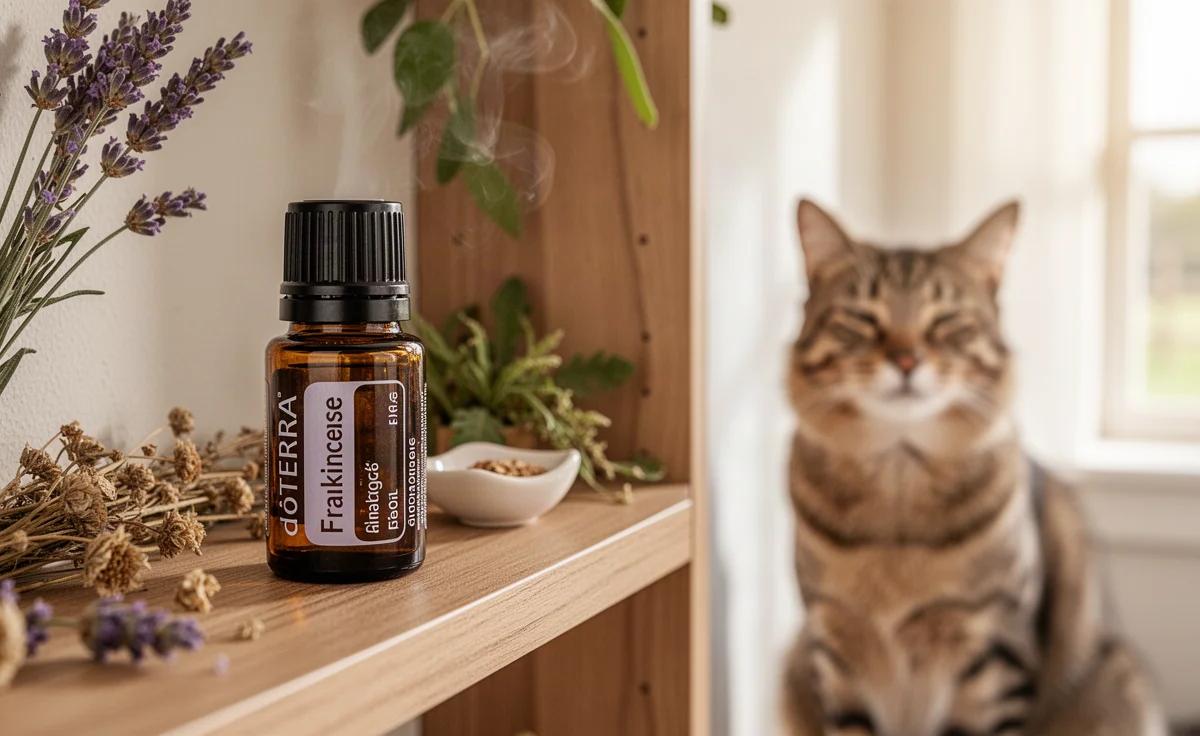
By the EssentialTail Team — pet owners, Wellness Advocates & doTERRA enthusiasts
You are about to switch on the diffuser, and then you glance at the cage in the corner. If you have ever shared your home with a parrot, a canary, or a pair of budgies, you know that little pause. The short answer is this: birds have respiratory systems so delicate that diffusing essential oils in their room can be rapidly fatal, and certain doTERRA oils should never be used anywhere near them. Tea Tree, Eucalyptus, Peppermint, Wintergreen, Oregano, Thyme, Cinnamon, Clove, and most citrus oils like Lemon and Wild Orange are the ones we steer furthest away from. Before you use any oil in a home with birds, the only responsible move is to ask an avian veterinarian, and if there is any doubt, do not diffuse around them at all.
The Oils That Worry Us Most Around Birds
A bird's lungs work differently from ours. They move air through air sacs and rigid lungs in a way that extracts far more from every breath, which means any compound in the air reaches them more intensely. Oils rich in strong phenols, 1,8-cineole, menthol, or citrus compounds are the ones we treat with the most respect. Many of these are wonderful for human routines, but in a home with birds we keep them strictly away from the diffuser.
The table below rounds up the doTERRA oils we consider highest risk for birds, all of which are mentioned as plain names, never as suggestions.
| Oil or Blend | Why We Avoid It Around Birds |
|---|---|
| Tea Tree (Melaleuca) | Extremely potent; a known concern for birds even in small airborne amounts |
| Eucalyptus | High in 1,8-cineole, which can overwhelm a bird's sensitive airways |
| Peppermint | Strong menthol content; intense for small respiratory systems |
| Wintergreen | Potent and easily overpowering in enclosed spaces |
| Oregano, Thyme, Cinnamon, Clove | Phenol-rich "hot" oils; far too strong for birds |
| Lemon, Wild Orange, Bergamot, Grapefruit, Lime | Citrus compounds that are best kept away from birds |
The ASPCA Animal Poison Control Center and the Pet Poison Helpline consistently remind bird owners that many everyday human products are not safe around avian species, and essential oils are high on that list. We follow the same rule at home: the bird's room simply stays diffuser-free.
What We Actually Do Instead
Over time we have landed on a simple, repeatable routine that keeps the house pleasant while keeping any feathered family member out of the equation. These are the steps we follow, and they mirror what many avian vets suggest.
- Designate one bird-free zone. We diffuse only in a room the bird never enters, with the door closed and a towel at the gap if needed.
- Let the air settle before the bird returns. Even in other parts of the home, we wait for the space to air out completely before any bird re-enters the general area.
- Use gentler, lower-aroma oils only in well-ventilated spaces. Products like Frankincense or Roman Chamomile have softer profiles, but even these never run in a bird's room.
- Ask the avian vet before the first use. No article, including this one, can replace a veterinarian who knows your exact species and home.
- Keep bottles and diffusers stored far from cages. Curious beaks investigate everything.
We also lean toward doTERRA's purity and testing standard, CPTG Certified Pure Tested Grade, because knowing exactly what is in the bottle helps us make clearer choices about where each oil belongs in a multi-species home. For a closer look at gentler options in mixed pet households, read our piece on non toxic diffuser oils for bird and dog homes.
Related reading
Frequently Asked Questions
Can I diffuse any doTERRA oil in a room with a bird?
No. Birds have extremely sensitive respiratory systems, and even oils considered gentle for humans can be risky for them. The safest approach is to keep all diffusion out of any room a bird inhabits unless an avian veterinarian has specifically approved a product for your situation.
Why are Tea Tree and Eucalyptus especially dangerous for birds?
Both oils are highly concentrated and contain compounds that birds cannot process the way mammals do. Their unique respiratory anatomy means even small airborne amounts can cause serious harm, which is why avian specialists advise keeping these oils far from any bird.
What should I do if my bird is accidentally exposed to a diffused oil?
Move the bird to fresh air immediately and contact an avian veterinarian or an animal poison control centre such as the ASPCA Animal Poison Control Center or the Pet Poison Helpline right away. Do not wait to see if symptoms appear, and never attempt a home remedy.
Are citrus oils safe if I diffuse them in another room?
In a completely separate, well-ventilated room that the bird never enters, the risk is much lower, but we still avoid them. If airflow connects the rooms, even a small amount can travel, so we treat citrus oils as off-limits in any bird-containing home.
We have learned that the bond with a bird is built on quiet presence and careful routines, not on filling the air with scent. The home can still smell wonderful without ever putting a feathered companion at risk.
This content is for general information only and is not veterinary advice. Always consult a qualified veterinarian before using essential oils in a home with animals.
Adaptiv · Arborvitae · Balance · Console