Gentle Aromatherapy for Senior Cat Bedtime
Learn how to approach gentle aromatherapy for senior cat bedtime with vet-first safety, smart diffuser habits, and doTERRA quality thinking.
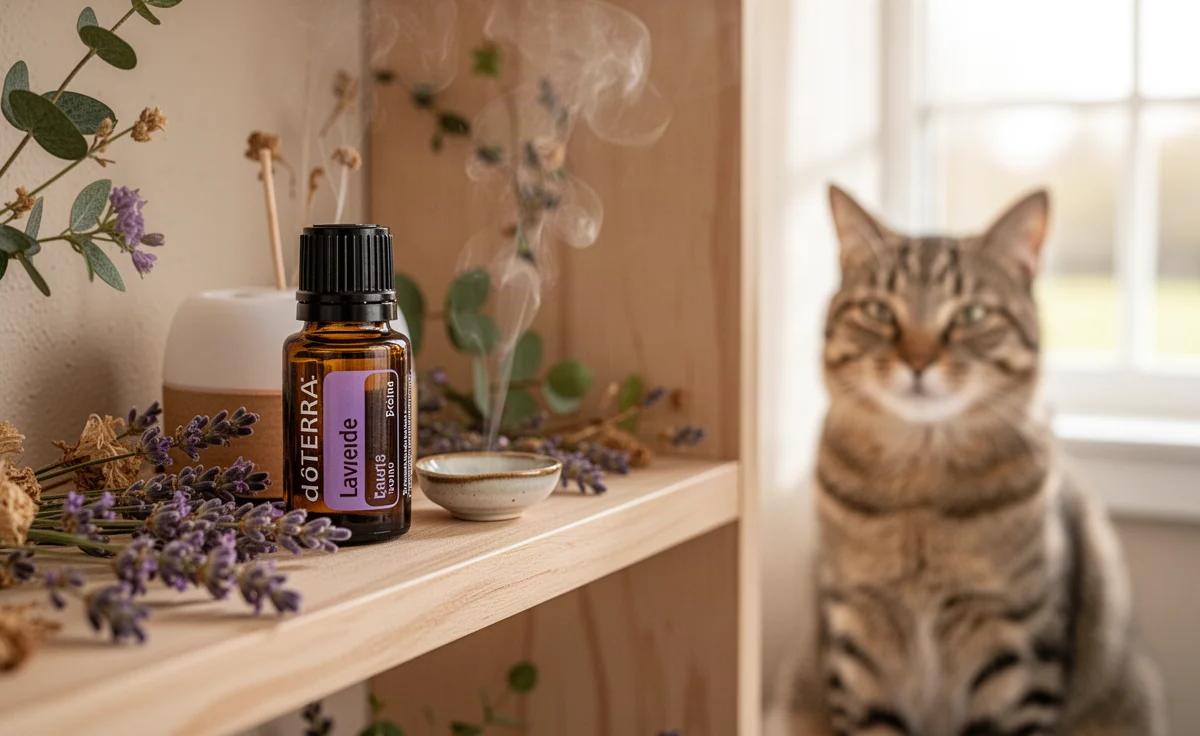
By the EssentialTail Team — pet owners, Wellness Advocates & doTERRA enthusiasts
You have dimmed the lights, fluffed the favorite blanket, and your senior cat is circling the same cushion three times like she does every night. Maybe you are wondering if a soft, calming aroma could make that bedtime ritual feel a little more settled for both of you. The short answer is that gentle aromatherapy can be part of a senior cat bedtime routine, but only with extraordinary caution, your veterinarian's input, and a clear understanding that cats are not small dogs when it comes to essential oils. Cats lack certain liver enzymes needed to process many aromatic plant compounds, which means oils that feel mild to us can be risky or even dangerous for them. The safest approach is usually to keep the diffuser out of your cat's sleeping space entirely, favor an open room she can leave, and let her veterinarian guide any aromatic choice. We always put the vet first, because a peaceful evening is never worth a safety gamble.
What Senior Cat Bedtime Aromatherapy Should Look Like
For an older cat, bedtime comfort has less to do with strong scent and much more to do with routine, quiet, and warmth. If you choose to diffuse anything in a shared space, keep the room large, well-ventilated, and open so your cat can walk away whenever she wants. Never diffuse in a closed bedroom, a carrier, or any space where she cannot leave. Cats have a sense of smell far more sensitive than ours, so what seems barely there to you can feel overwhelming to her.
We lean toward doTERRA oils with gentler, softer aromatic profiles for human evening routines, such as Lavender, Roman Chamomile, or Cedarwood. These are oils many owners enjoy for themselves at bedtime. But enjoying them yourself and diffusing them around a senior cat are two different things. Oils with phenolic compounds, like Oregano, Thyme, Cinnamon, and Clove, are never appropriate in a home where cats roam. The same goes for Tea Tree, most citrus oils, Peppermint and other mints, Eucalyptus, Wintergreen, and Pine. Even a small amount diffused can be a real concern.
One helpful comparison many cat owners use when choosing a bedtime approach:
| Approach | Cat Safety | Best For |
|---|---|---|
| No diffusion, just evening routine | Highest | Most senior cats, especially with health conditions |
| Diffuser in open, distant room | Moderate, vet-guided only | Multi-pet homes with careful supervision |
| Diffuser in cat's bedroom | Not recommended | Avoid entirely |
| Applying oils to cat's fur or bedding | Not recommended | Never without direct veterinary approval |
How to Create a Vet-First Bedtime Routine
If you want to explore gentle aromatherapy as part of a senior cat bedtime ritual, follow this careful, step-by-step path.
- Talk to your veterinarian first. Before adding anything aromatic to your cat's environment, ask about her liver and kidney health, respiratory history, and any medications.
- Keep oils and diffusers out of reach. Curious cats groom themselves frequently, and anything on the fur can end up in the mouth.
- Diffuse only in a distant, open room. Your cat must always have the full ability to walk away.
- Use only small amounts. Avoid filling the whole home with aroma, and never diffuse continuously through the night.
- Watch her closely. If she squints, drools, hides more, coughs, or seems unsettled, move her to fresh air and call your veterinarian right away.
- Prefer the animal line under veterinary guidance. doTERRA's dedicated animal products are the sensible starting point when a vet says any aromatic support is appropriate.
Many owners with senior cats also find value in our guide to Safe doTERRA Oils for Older Cats with Anxiety, which goes deeper into the most cautious, vet-first options. For multi-pet homes, the nearby article on the Best Calming Essential Oil for Senior Dogs shows how differently dogs and cats need to be approached.
The real reason to choose doTERRA when you do use oils is the purity and testing behind them. Certified Pure Tested Grade is doTERRA's own standard for verified, tested oils, and that quality matters in any home with animals. Oils like Frankincense, Vetiver, and Copaiba are familiar to aromatherapy lovers for their grounded, soft aromas, though for a cat's bedtime space, restraint is everything. Balance and Serenity are two of our favorite human-evening blends, but we mention them only as diffuser options in open areas, never around a confined cat.
If a senior cat ever licks spilled oil, gets it on her coat, or seems unwell after any aromatic exposure, contact a veterinarian or an animal poison control center like the ASPCA Animal Poison Control Center immediately. No home remedy, no waiting, no guesses.
Frequently Asked Questions
Is lavender safe to diffuse around a senior cat?
Lavender is gentler than many oils, but no essential oil should be called safe for all cats. Cats metabolize plant compounds differently from humans and dogs, so ask your veterinarian before diffusing anything in a shared space.
Can I put a drop of essential oil on my cat's bed?
No. Anything on the bedding can transfer to her fur and then be swallowed during grooming. For cats, especially senior cats with slower metabolism, this is not worth the risk.
What are the most dangerous oils for cats?
Tea Tree, Oregano, Thyme, Cinnamon, Clove, most citrus oils, Peppermint and other mints, Eucalyptus, Wintergreen, and Pine are especially concerning. Even diffused, these should be avoided in any home where a cat lives.
How far away should the diffuser be from my cat?
There is no safe distance that replaces veterinary guidance. In practice, the diffuser should be far from your cat's sleeping area, in a well-ventilated room she can freely leave.
Gentle aromatherapy for a senior cat's bedtime is really about soft light, calm routine, and a watchful eye. When aroma is part of the picture, veterinary guidance and an open, cat-led space make all the difference.
This content is for general information only and is not veterinary advice. Always consult a qualified veterinarian before using essential oils in a home with animals.