Is doTERRA Safe for Dogs
Learn how to use doTERRA essential oils around dogs with a vet-first approach. Discover purity standards, cautious diffusion, and quiz answers.
By the EssentialTail Team — pet owners, Wellness Advocates & doTERRA enthusiasts
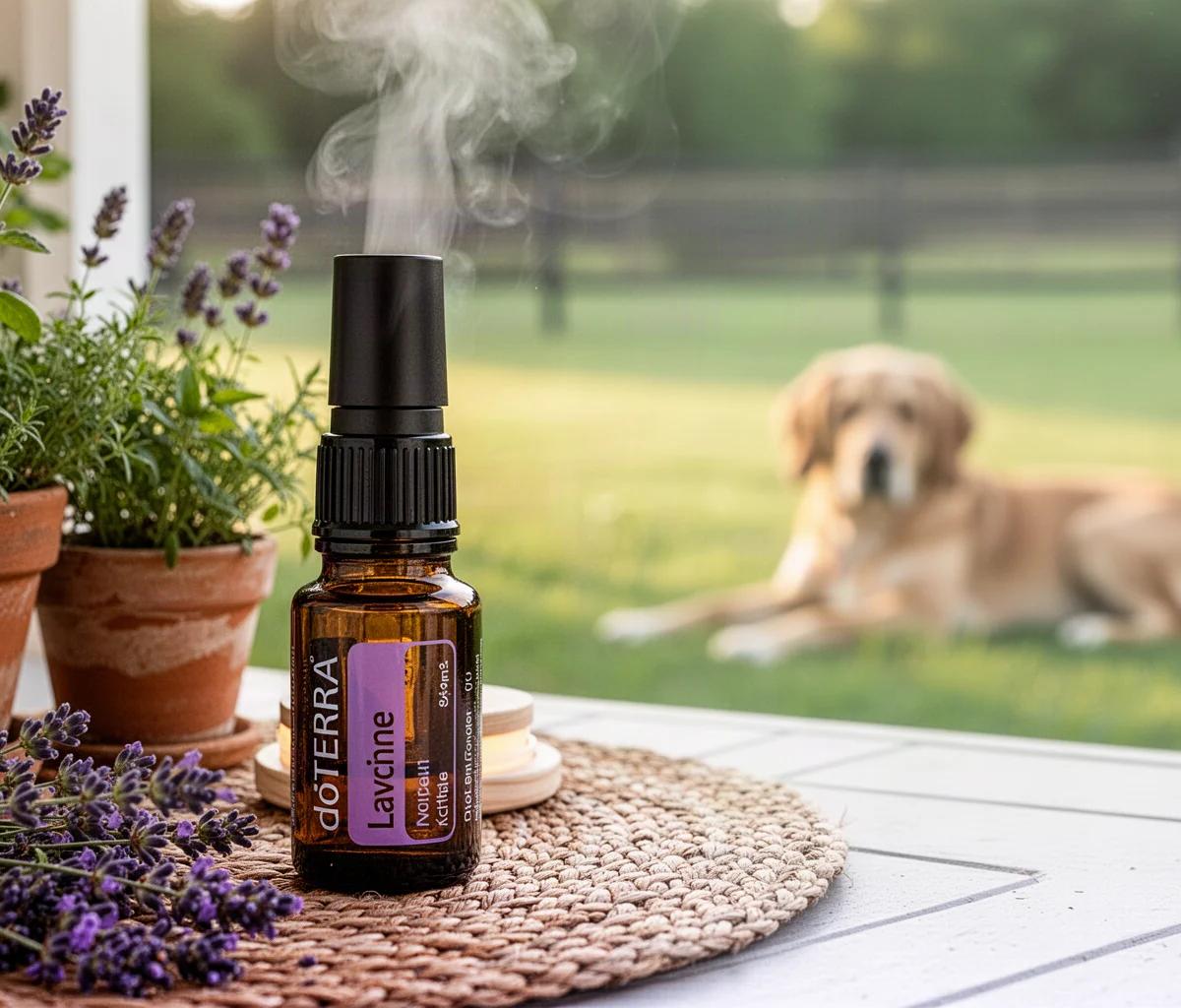
The first time I held a small amber bottle of Lavender near my curious Labrador, I froze. He sniffed the air, wagged his tail, and I realized I had no idea what "safe" really meant for him. If you are reading this, you are probably wondering the same thing.
The honest, direct answer is this: doTERRA oils are produced with a rigorous purity and testing standard called CPTG, but no essential oil is automatically safe for every dog simply because it is pure. Safety depends on the individual dog, the specific oil, and how it is used. The responsible approach is always veterinarian-first. Many oils that are pleasant for humans can be irritating or risky for dogs, especially when applied to their skin or diffused in a room they cannot leave. The real reason pet owners choose doTERRA is the CPTG certification, which focuses on purity and quality, not on any claim that an oil treats or cures a condition in your pet. Before using any oil on or near your dog, consult your veterinarian and follow the product label.
What Makes a Quality Oil Matter
Not all essential oils on the market are equal, and for a dog owner, that matters a lot. A lower-quality oil may contain synthetic fillers or contaminants that add unnecessary risk. doTERRA’s CPTG testing standard exists to verify that what is on the label is what is inside the bottle, nothing more. When I buy an oil, I want to know it has been tested for purity, and that gives me more confidence about what is actually in my home.
For pet owners, I tend to reach for oils known for gentle, everyday aromas. Frankincense has a soft, grounding scent that many people enjoy in shared living spaces. Cedarwood offers a warm, woody note. Neither of these is a veterinary treatment, and I never apply them directly to my dog. They are simply part of creating a pleasant home environment, always used sparingly and with good airflow.
Let me be very clear about what I avoid. Oils like Peppermint, Wintergreen, Eucalyptus, and most citrus oils such as Lemon or Wild Orange are ones I never diffuse in a space where my dog spends long periods. Even though dogs tolerate more than cats, their noses are far more sensitive than ours. A scent that feels mild to me can be overwhelming for him.
Cautious Diffusion Step by Step
If you are going to diffuse around a dog, I recommend a slow, cautious approach. Here is the exact process I follow in my own home:
- Ask your veterinarian first, especially if your dog has breathing issues, allergies, or is a brachycephalic breed.
- Choose one single gentle oil rather than a complex blend, so you can observe how your dog responds.
- Diffuse in a large, well-ventilated room where your dog can physically walk away at any time.
- Keep the diffusion time short and the amount of oil sparing.
- Watch your dog for any sign of discomfort, such as leaving the room, pawing at the nose, or acting restless.
- If anything seems off, stop diffusing immediately and call your veterinarian.
One product I have come to appreciate for shared spaces is Air X, designed to help keep the air in a room feeling fresh. I use it for my own comfort, never as a treatment for my dog, and only when he can leave the room freely.
doTERRA Oils Often Mentioned Around Dogs
Here is a quick comparison of how I think about a few common doTERRA oils as a dog owner. None of this replaces veterinary guidance.
| Oil / Product | My Personal Take as a Dog Owner | Used Near My Dog? |
|---|---|---|
| Lavender | Soft floral aroma, widely recognized | Yes, diffused cautiously in open space |
| Frankincense | Warm, grounding scent | Yes, light diffusion only |
| Copaiba | Earthy, subtle aroma | Yes, sparingly in shared rooms |
| Peppermint | Very intense, cooling scent | No, too strong for sensitive noses |
| Citrus oils (Lemon, Wild Orange) | Bright but sharp | No, I keep citrus away from him |
| Breathe | Strong mint and eucalyptus notes | No, not around my dog |
The doTERRA animal line is where I often point fellow owners who want to learn more. Products designed specifically for pets exist because animals are not small humans, and their needs are different. I always defer to the label and to a veterinarian rather than improvising with my own blends.
For a deeper look at the diffusion side of things, I wrote about Can You Diffuse doTERRA Oils Around Dogs Safely. If you are sorting through which oils feel approachable, you may also find my notes on DoTERRA Oils Gentle Enough for Dogs helpful.
Related reading
- Can I Use Lavender Oil on My Dogs Paws
- Can You Use Lavender Oil in a Dog Bath
- Essential Oils and Dog Skin Allergies Explained
Frequently Asked Questions
Can I put doTERRA Lavender on my dog’s skin? No, I do not apply oils directly to my dog’s skin. A dog’s skin is different from human skin, and only a veterinarian can advise whether topical use is appropriate for your individual animal.
Is a diffuser safe in a room with a dog? It can be, but only with caution. The dog must always be free to leave the room, the space must be well ventilated, and you should ask your veterinarian first, especially for very young, old, or sensitive dogs.
What should I do if my dog reacts badly to an oil? Stop using or diffusing the oil immediately and contact a veterinarian or animal poison control center right away. Do not wait and do not attempt a home remedy.
The truth is, I trust doTERRA for its purity and testing, but purity is not the same as universal safety for dogs. I keep my dog’s comfort above my own scent preferences, and I let veterinary guidance lead every decision.
This content is for general information only and is not veterinary advice. Always consult a qualified veterinarian before using essential oils in a home with animals.