Safe Oils to Diffuse Around Dogs and Cats
Wondering which oils are safe to diffuse around your pets? Learn the doTERRA favorites, the biggest cat risks, and the vet-first rules that keep everyone calm.
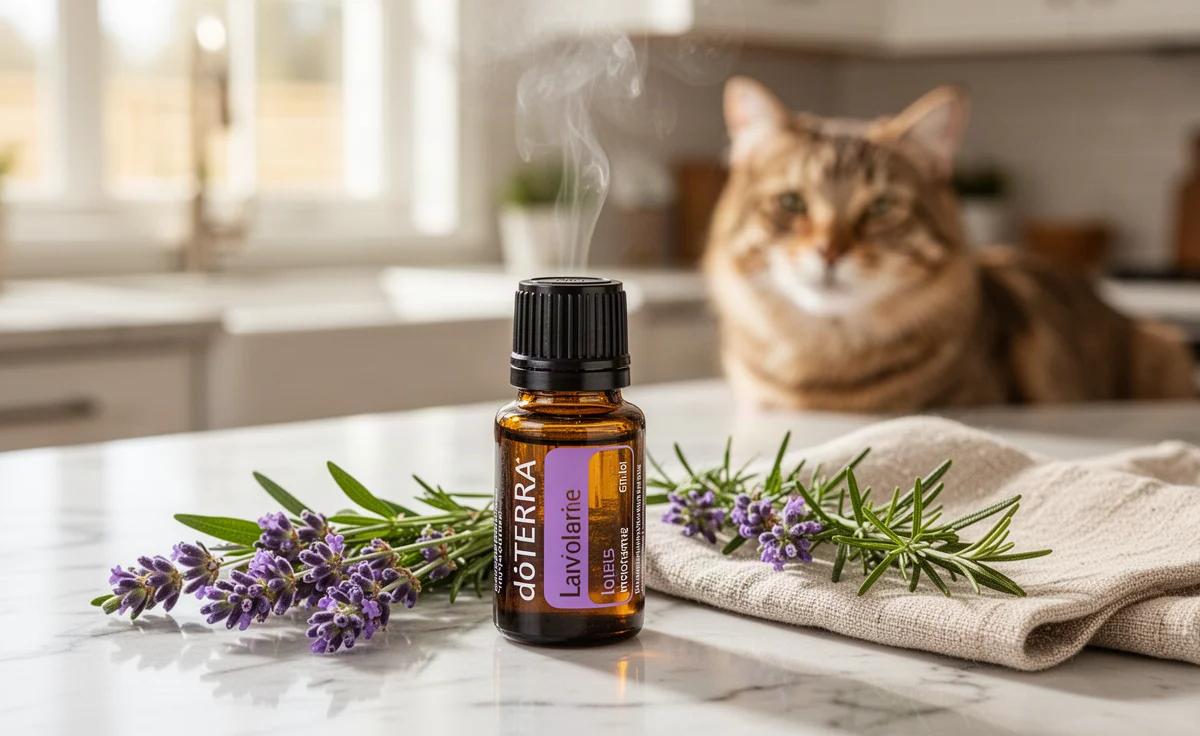
By the EssentialTail Team — pet owners, Wellness Advocates & doTERRA enthusiasts
You set the diffuser on the kitchen counter, press the button, and then you glance at the dog curled up on the rug. Is this okay? If you have ever frozen in that exact moment, you are not alone.
The direct answer is that no essential oil is automatically safe for every animal, and the only person who can tell you what is right for your individual dog or cat is your veterinarian. What we can share is the practical, experience-based approach many pet owners use: choose the mildest oils, diffuse less than you would in a pet-free home, keep the room ventilated, and make sure your animal can always walk away. Cats need special caution because they metabolize certain compounds differently, which makes some oils far more dangerous for them than for dogs. Before any first use, check the doTERRA product label and talk to your vet.
The Oils Most Owners Reach For
When we talk about diffusing in a home with pets, the oils that come up most often are the soft, grounding ones rather than sharp or intensely aromatic ones. Lavender is the classic starting point for many households because its aroma is familiar and mild. Cedarwood has a warm, woody scent that many owners find blends beautifully into shared spaces without feeling overpowering. Copaiba is another one that tends to sit in the background rather than dominating a room, and Vetiver is praised for its earthy, slow-moving character.
What we recommend most often is starting with one of these understated oils before trying anything more complex. The doTERRA CPTG testing standard matters here because you are choosing an oil for a space your pet also breathes, and purity means you are not introducing unknown synthetic additives into that shared air.
A Practical, Vet-First Routine
This is the routine many owners settle into after speaking with their veterinarian:
- Ask first. Confirm with your vet that diffusing is appropriate for your specific dog or cat, especially if your pet is older, pregnant, or has respiratory sensitivity.
- Pick the mildest oil. Start with Lavender or Cedarwood, never with sharp mints, citrus, or spice oils like Peppermint, Lemon, Cinnamon, Clove, or Eucalyptus.
- Diffuse lightly. Use a noticeably smaller amount than you would in a pet-free room, and run the diffuser for a short session rather than all afternoon.
- Leave the door open. The animal should always be able to walk out of the room the moment it wants to.
- Watch for signals. Pawing at the nose, drooling, hiding, or unusual stillness means the session should end immediately and you should contact your veterinarian.
| Oil | Aroma Character | General Owner Perception |
|---|---|---|
| Lavender | Soft, floral, calm | The most common first choice |
| Cedarwood | Warm, woody, grounding | Easy to blend into shared spaces |
| Copaiba | Subtle, gentle, understated | Good for people who want barely-there scent |
| Vetiver | Deep, earthy, slow | Loved by owners who prefer rich, mellow notes |
What Changes With Cats
Cats are the reason this article cannot end with a simple list of "safe" oils. Felines lack certain liver enzymes that dogs and humans use to break down many aromatic compounds, which means oils that are mild for us can accumulate in their systems. Tea Tree, any citrus oil, Peppermint, Eucalyptus, Pine, and spice oils like Oregano, Thyme, Cinnamon, and Clove should be avoided in homes with cats, even diffused. The ASPCA Animal Poison Control Center and the Pet Poison Helpline both stress that cats are uniquely vulnerable to essential oil exposure and that any suspected reaction warrants an immediate call to a veterinarian or poison control center.
Beyond the oil itself, diffusion technique changes everything. Our guide on diffusing oils around pets the safe way covers the room-setup fundamentals that prevent most problems, while our pet safe essential oil diffusing tips walks through the habits that keep sessions short and stress-free. Both are worth reading before you power on the diffuser.
The Risk List to Keep in Mind
Even when you are only diffusing for yourself, these oils should stay out of rooms shared with cats, and they deserve extra caution with dogs:
- Tea Tree is particularly dangerous for cats and is never worth the risk in a shared space
- Citrus oils like Lemon, Wild Orange, Bergamot, Grapefruit, and Lime are photosensitizing for humans and problematic for cats
- Peppermint and other mints are far too intense for feline systems
- Eucalyptus, Wintergreen, and Pine carry compounds that cats struggle to process
- Oregano, Thyme, Cinnamon, and Clove are phenolic and irritating even for human skin at full strength
If your pet ever knocks over a bottle, licks spilled oil, or starts acting strangely around the diffuser, do not wait. Contact a veterinarian or animal poison control center immediately. There is no home remedy worth losing the time a professional needs.
Frequently Asked Questions
Is Lavender safe to diffuse around dogs? Lavender is one of the most commonly discussed oils for homes with dogs because of its mild, familiar aroma. However, "commonly discussed" is not the same as "safe for every dog," so confirm with your veterinarian and follow the doTERRA label before the first use.
Why are cats so sensitive to essential oils? Cats lack a specific liver enzyme that helps dogs and humans break down many aromatic compounds, so substances can build up in their bodies instead of clearing normally. This makes Tea Tree, citrus, mint, eucalyptus, and spice oils especially dangerous around them, even in a diffuser.
Can I diffuse oils in a room where my dog sleeps? Many veterinarians prefer that animals not sleep in the room while a diffuser is actively running. A better option is to diffuse in a separate, ventilated space the dog can enter or leave freely, and ask your vet what fits your dog's specific health picture.
What should I do if my cat accidentally touches essential oil? Contact your veterinarian or an animal poison control center immediately. Do not try to wash the oil with anything other than what the professional advises, and do not wait to see if symptoms develop.
Is doTERRA oil purer and therefore safer for pets? doTERRA oils carry the CPTG testing standard, which means they are verified for purity and composition, but purity is not a safety license for animals. A pure oil is still an oil, and the veterinary rules above still apply.
The calmest way to bring aromatherapy into a home with animals is slow, small, and veterinarian-approved. You do not need a cloud of fragrance filling the hallway to enjoy a lovely scent at home, and your pets will tell you, through their behavior, whether something is too much. Listen to them first, and let that guide every choice you make.
This content is for general information only and is not veterinary advice. Always consult a qualified veterinarian before using essential oils in a home with animals.