Pet Safe Essential Oil Diffusing Tips That Work
Learn how to diffuse essential oils around cats, dogs, and horses without worry. Vet-first tips, safe oils, ventilation, and doTERRA quality.
By the EssentialTail Team — pet owners, Wellness Advocates & doTERRA enthusiasts
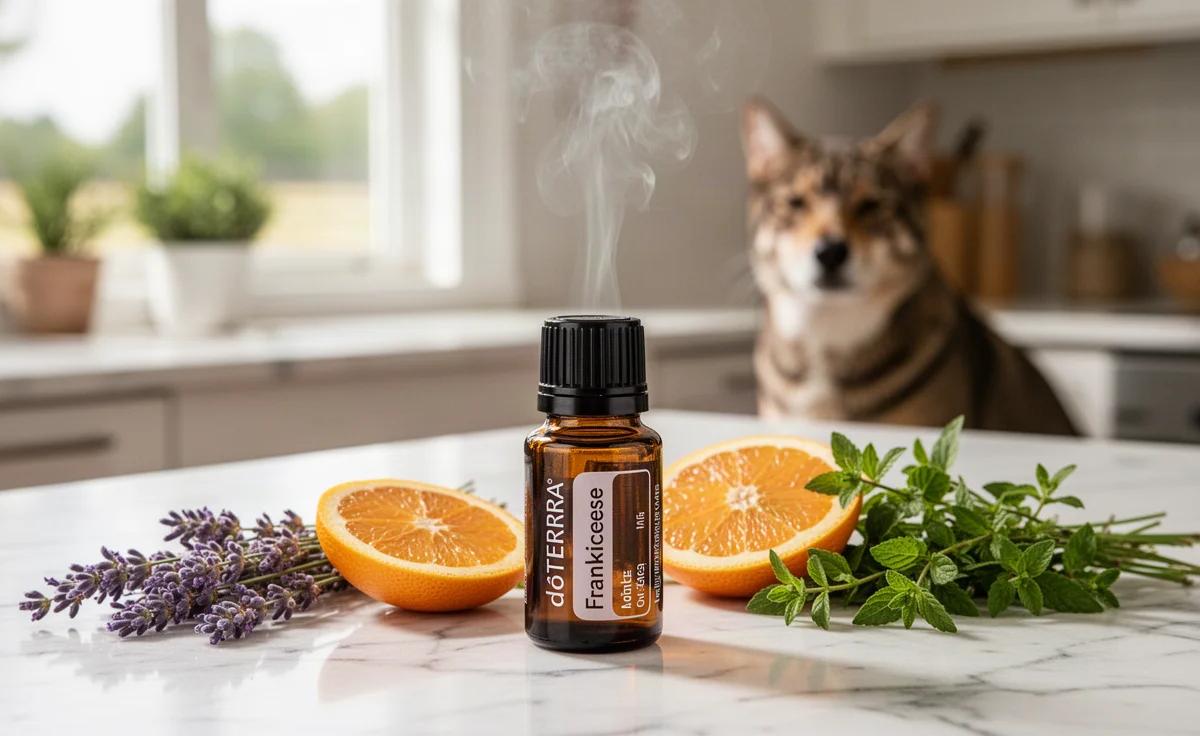
You set up the diffuser, the room starts to smell wonderful, and then your cat wanders in. Suddenly you are second-guessing everything. The direct answer is that responsible diffusing around pets comes down to four things: choosing gentler aromas, keeping the space well-ventilated, always letting your animal leave the room, and talking to your veterinarian before anything else. There is no single "pet safe" oil list that works for every home, because cats, dogs, and horses process aromatics very differently. What many owners find most reassuring is focusing on quality and control rather than chasing a perfect drop count. doTERRA's CPTG testing standard helps you know exactly what is in each bottle, which makes it much easier to have an honest conversation with your vet.
Start With the Right Oils and a Fresh Approach
When I first brought a diffuser home with a dog and two cats under the same roof, I quickly learned that diffusion is not a free-for-all. The move that made the biggest difference was starting with oils that have a softer, more familiar scent profile rather than anything sharp or intense. In our experience, florals and woods tend to be the gentlest place to begin when a vet has approved the general idea.
The products below are very different in character, and that is the point. Choose by how they feel in a shared room, not by an expectation that they will do something medical for your animal.
| doTERRA Oil | Aroma Character | Best Starting Point For |
|---|---|---|
| Frankincense | Warm, resinous, softly grounding | Quiet shared living rooms |
| Copaiba | Gentle, subtle, woody | Owners who want almost no scent throw |
| Lavender | Soft floral, familiar and calm | Relaxed evening spaces |
| Cedarwood | Dry, warm, forest-like | Homes with dogs specifically |
Never link or treat citrus, mint, tea tree, eucalyptus, oregano, thyme, cinnamon, clove, wintergreen, or pine as pet-friendly choices. Those belong in plain conversation with your veterinarian, not in a room your animal cannot escape.
A Simple, Repeatable Diffusing Routine
Having a routine removes the guesswork and keeps everyone safer. Here is the step-by-step sequence that has worked best for us, and it always starts the same way: with your veterinarian.
- Ask your veterinarian about your specific animal first, before choosing an oil.
- Pick one gentle oil from a brand with transparent testing, like Roman Chamomile, and keep the amount small.
- Place the diffuser in a shared room with windows or real airflow, never in a closed bedroom or near a crate.
- Leave a clear exit so your cat or dog can walk away whenever they choose.
- Diffuse in short sessions, then air the room out fully before starting again.
- Watch your animal's behavior closely, and stop if they seem uncomfortable.
- Recheck with your vet anytime you change oils, animals, or room setup.
If you have a bird, rabbit, or other small pet, the conversation changes entirely. Their respiratory systems are extremely delicate, and diffusion is usually not appropriate at all without an avian or exotic veterinarian involved first. Horses are their own category too. For competition horses, essential oils can appear on prohibited-substances lists under equestrian rules, so the FEI list and your federation matter before any aromatic use around a competing horse.
Related reading
- Calming Oil Safe Around Dogs Cats and Birds
- Are Essential Oils Safe Around Horses
- Choosing doTERRA Oils for a Home with Pets
Frequently Asked Questions
Can I diffuse essential oils around my cat?
Many essential oils are genuinely dangerous for cats, and no oil should be described as safe for them without veterinary guidance. Keep the diffuser in a ventilated room your cat can leave, and talk to your veterinarian before introducing anything.
How do I know if my dog dislikes a diffused oil?
Watch for walking away, sneezing, pawing at the face, unusual restlessness, or wanting to be in a different room. These are signs to stop diffusing and air the space out immediately.
Is one brand safer than another for pet households?
The difference is usually transparency. doTERRA's CPTG standard and tested purity make it far easier to know what you are actually diffusing, which matters when you are describing the exact oil to your veterinarian.
What should I do if my pet accidentally gets into an essential oil?
Do not wait, do not look for a home remedy, and do not try to dose anything yourself. Contact your veterinarian or an animal poison control center like the ASPCA Animal Poison Control Center immediately.
Do I have to buy a kit to start diffusing responsibly?
No kit is required. You can register quickly, choose one small bottle like Vetiver or Roman Chamomile, and start with one oil while you learn. Diffusing oils around pets the safe way walks through the setup in more depth, and diffusing essential oils safely around pets covers the caution points worth rereading.
Conclusion
Responsible diffusing is mostly about pace, ventilation, and respect for the animal in the room. Vetiver is another soft option worth exploring once your veterinarian gives the green light. Start slowly, keep the space airy, and let your pet's comfort guide every decision.
This content is for general information only and is not veterinary advice. Always consult a qualified veterinarian before using essential oils in a home with animals.