Safely Freshening Horse Blankets With Oils
A practical look at freshening horse blankets with essential oils, why lavender and cedarwood are common choices, and the veterinarian-first rules.
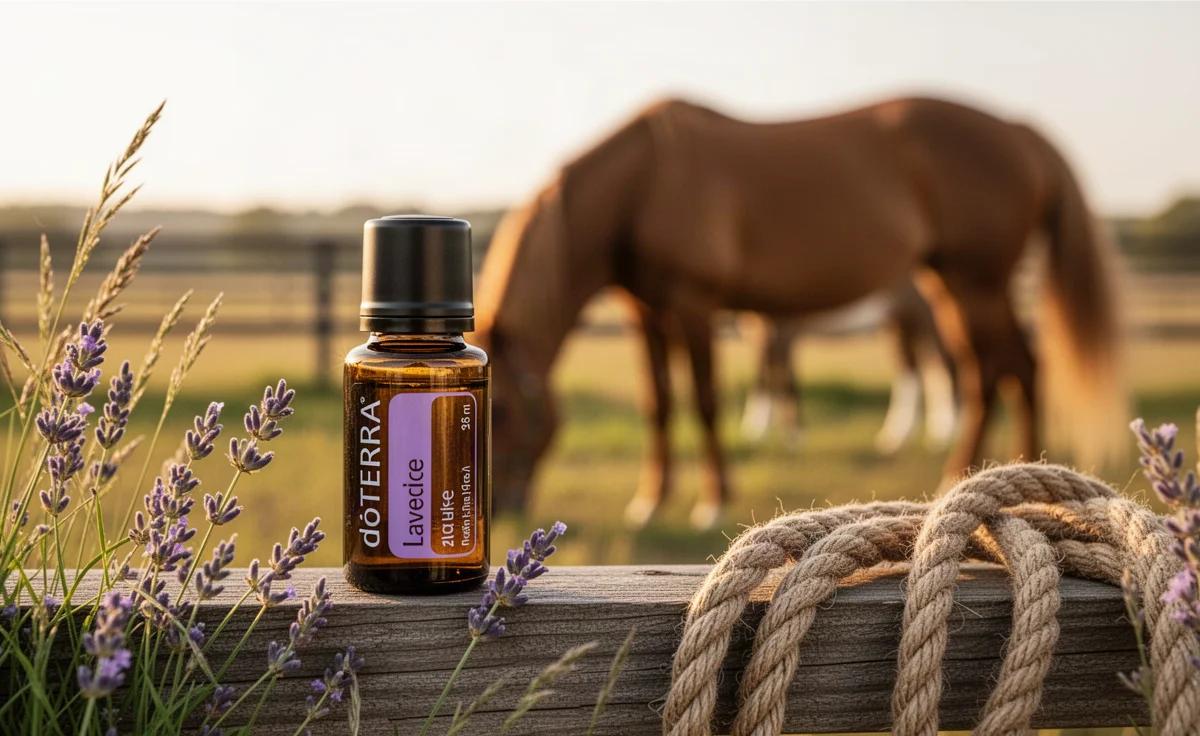
By the EssentialTail Team — pet owners, Wellness Advocates & doTERRA enthusiasts
You pull the winter blanket out of the trunk for the first cold morning, and it smells like a barn corner you forgot existed. That moment is familiar to every horse owner, and it usually leads to the same question: can I make this thing smell better without doing something my horse will hate?
The honest answer is yes, but only if you think like a horse first. In our experience, the two oils most owners reach for when freshening fabric around horses are Lavender and Cedarwood. Both have soft, woody or floral aromas that feel familiar in a barn environment, and neither is as intensely sharp as oils like peppermint or eucalyptus, which many equestrians prefer to avoid near horses. But here is the rule that overrides everything: any oil used on or around a horse is a veterinary decision, and competition horses are an entirely separate conversation. Many substances, including some essential oils, appear on the FEI prohibited-substances list, so a competing horse cannot simply receive whatever smells nice at home.
Which Oils Owners Use, and Which They Skip
Horse people tend to be conservative, and for good reason. A blanket sits against the horse, rubbing into the coat, sometimes for hours. That means whatever you put on the fabric should be mild, trusted, and approved by your own veterinarian before the first use.
| Oil | Aroma profile | Why owners consider it |
|---|---|---|
| Lavender | Floral, soft, familiar | Gentle scent, widely used in barn spaces |
| Cedarwood | Woody, warm, grounding | Blends naturally with tack and stable smells |
| Peppermint | Sharp, cool, intense | Usually avoided around horses by cautious owners |
| Eucalyptus | Camphor-like, medicinal | Often skipped near horses without vet guidance |
Owners who do freshen blankets rarely apply oil directly to the fabric in concentrated form. What we see most often is a light misting approach, where the oil is first added to water or a neutral spray base, shaken well, and applied only after the blanket is fully dry and away from the horse. Never spray while the blanket is on the horse, never soak the fabric, and never use any amount you cannot describe to your vet honestly.
A Cautious Step-by-Step Approach
If your veterinarian has already told you that a particular oil is acceptable for your horse, your blanket routine might look like this. If not, stop at step one and make the call first.
- Ask your veterinarian. Mention the exact oil, the blanket material, and how long the horse wears it. This is the only reliable starting point whether you are working with the doTERRA animal line or a single oil like Siberian Fir, which some owners also mention for stable aromas.
- Test the oil on a hidden corner. One small application, left to dry, on an area that will not touch the skin directly. If the smell is too strong after an hour, it is too strong for the blanket.
- Dilute properly. Add the oil to water or a spray base, shake, and mist lightly. Do not pour, wipe, or rub concentrated oil into the fabric.
- Air it out. Leave the blanket outdoors or in a ventilated area until the scent fades into the background. Ammonia and heavy barn smells should never mask with a stronger perfume.
- Check the FEI list if you compete. The FEI prohibited-substances list changes, and your national federation applies it strictly. What is fine at home may not be fine at a show, and no withdrawal time should ever be guessed rather than confirmed.
This same caution applies to other species. If you have been reading about sprays for household pets, the discussion around safe essential oil spray for cat bedding shows how different the rules get from one animal to another. Cats metabolize many oils poorly, which is why what works near a horse has no business near a cat without an entirely separate veterinary conversation. For a deeper look at the equine side specifically, our article on whether essential oils are safe around horses covers the main points owners need to weigh.
Frequently Asked Questions
Can I put essential oils directly on a horse blanket?
Direct application of concentrated oil to fabric that touches a horse is not a cautious practice. Any approach should involve dilution, light application, full drying, and prior veterinary approval for your individual horse.
Why do so many owners avoid peppermint around horses?
Peppermint has a very sharp, penetrating aroma, and horses have an extremely sensitive sense of smell. A scent that smells mild to us can feel overwhelming to a horse, so many equestrians choose softer options like lavender or cedarwood and keep the peppermint out of the barn entirely.
What if my horse competes?
Competition changes everything. Essential oil residues can fall under inspection rules, and the FEI prohibited-substances list is updated regularly. A competing horse owner must check the current list and consult their veterinarian and federation before using any oil in the barn.
Should I ask my vet even for a simple blanket spray?
Yes. That is not overkill, it is the correct first step. Only your veterinarian knows your horse's skin, respiratory status, and competition calendar, and those three factors decide whether a blanket freshener is a good idea.
Conclusion
Freshening a horse blanket with essential oils is possible when the approach is slow, light, and veterinarian-approved. Lavender and cedarwood are the names most owners mention, but the real expertise is knowing that the horse, the vet, and the competition rules decide everything. A fresher blanket is never worth a veterinary emergency or a show disqualification.
This content is for general information only and is not veterinary advice. Always consult a qualified veterinarian before using essential oils in a home with animals.
Adaptiv · Arborvitae · Balance · Console