Which Oil Calms Cats for Vet Visits
What oil helps calm a cat before the vet? Here's what to know about aromatherapy, safety risks, and the veterinarian-first approach every owner needs.
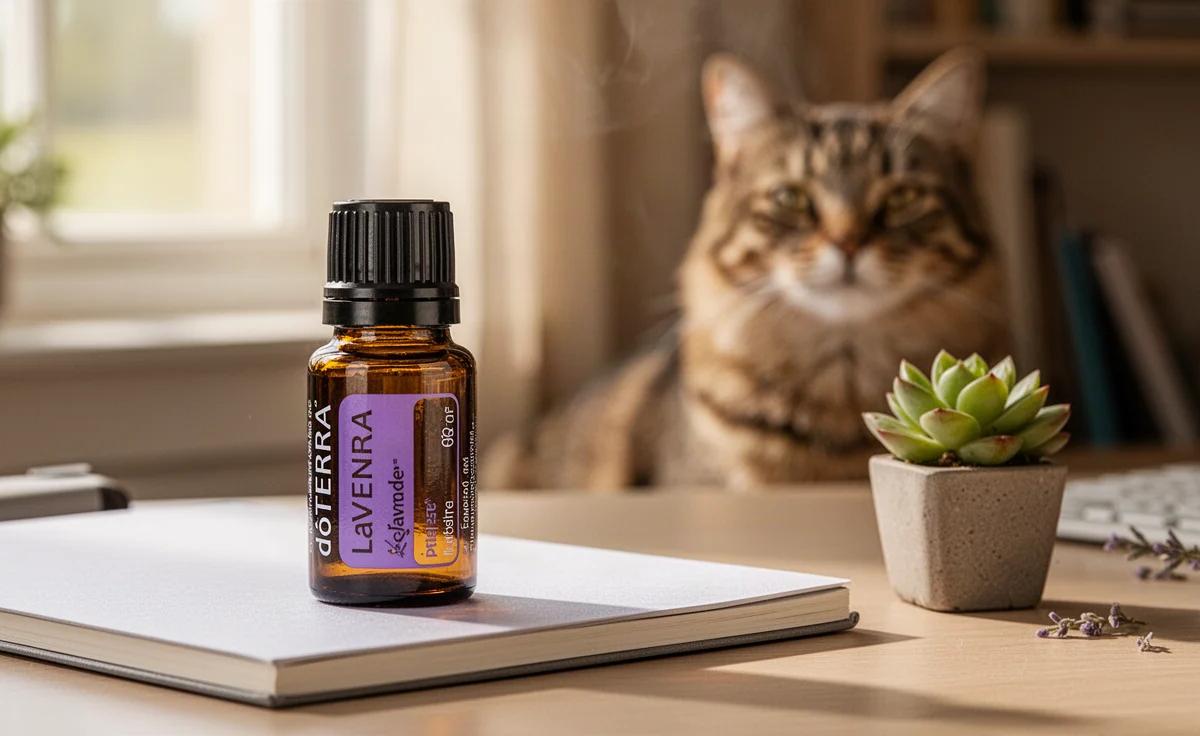
By the EssentialTail Team — pet owners, Wellness Advocates & doTERRA enthusiasts
You know the scene: the carrier comes out, and suddenly your calm lap cat becomes a furry escape artist who seems to know exactly what that plastic box means. If you're here, you're probably wondering whether a little aromatherapy could soften the whole vet-visit ordeal. The honest answer is that no essential oil should be used on or around a cat specifically to calm them before a veterinary appointment. Cats metabolize many plant compounds differently than we do, and what feels soothing to us can be overwhelming, irritating, or even toxic to them. Your veterinarian is the only person who can recommend whether any aromatic product is appropriate for your individual cat, when it could be introduced, and how.
What we can explore together is how to think about calming strategies, which doTERRA products some owners use for their own pre-appointment nerves, and why the diffuser itself is usually not the right tool in a cat's space at all.
Understanding Why Cats Are Different
The main reason aromatherapy is so tricky around cats comes down to biology. Cats lack certain liver enzymes that help process compounds found in many essential oils. This means oils that are fine for us can build up in a cat's system over time. Phenolic oils like Oregano, Thyme, Cinnamon, and Clove are especially concerning, but Tea Tree, most citrus oils, Peppermint, Eucalyptus, and Wintergreen are also on the list of aromas to avoid anywhere a cat lives. This is not a list of "maybe avoid" items; these are aromas many veterinarians and animal poison control centers flag as genuinely dangerous for cats.
That physiological difference is why the safest default is always to ask your veterinarian before introducing any aromatic product into a home with a cat.
A Quick Comparison of Common Calming Approaches
| Approach | How It Works | Important Consideration |
|---|---|---|
| Cat-specific veterinary products | Formulated for feline physiology and reviewed by vets | Always the first conversation, never a DIY substitute |
| Cat carrier training | Builds positive associations over weeks, not minutes | No aroma involved, works alongside vet guidance |
| Diffusing a gentle oil in the home | Scent spreads through shared air | Risky around cats, even with oils commonly considered gentle for humans |
| Applying diluted oil to yourself | You carry the aroma on skin or clothing | Still exposes the cat at close range; not a calming treatment for them |
A Veterinarian-First, Cat-Safe Plan
Here is the step-by-step approach we recommend to pet owners, and it starts long before you see a carrier.
Talk to your veterinarian first. Describe your cat's stress behavior honestly and ask what calming options are appropriate. This is the only way to know what is safe for your specific cat.
Train the carrier as a normal piece of furniture. Leave it out with a soft blanket inside, sprinkle in a favorite treat now and then, and let your cat come and go freely.
Consider feline-specific calming products. Many veterinary clinics recommend products developed specifically for cats. These are not the same as human essential oils, and they should still be chosen with your vet's input.
Prepare yourself calmly. Cats read our tension. Whatever you do to feel steadier on appointment day, keep it separate from your cat's immediate breathing space.
Ask before any aromatic use. If you enjoy doTERRA oils in your home, ask your veterinarian whether any are appropriate given your cat's health, age, and the layout of your space.
This is the same careful mindset we bring to topics like Safe doTERRA Oils for Older Cats with Anxiety, where the emphasis is always on feline biology first.
What Some Owners Use for Themselves Instead
Here is a gentle shift that often helps more than people expect: rather than trying to calm the cat with a scent, focus on your own composure. Some of our readers enjoy Lavender or Roman Chamomile in their own evening routine, long before appointment day, in a room the cat can leave freely. Others keep a bottle of Balance or Vetiver for their own grounding moments. The point is never to dose the cat; it is to arrive at the clinic as the calm, steady person your cat already trusts.
The aromas we describe in our guide to Calming Oil Safe Around Dogs Cats and Birds are presented with the same caution: an open room, a free exit, and a veterinarian's approval matter more than any single oil.
For the carrier itself, skip the essential oils entirely. A familiar blanket, a favorite toy, and a calm voice will do more good than any aromatic product in that enclosed space.
Frequently Asked Questions
Can I put lavender oil on my cat's carrier before the vet visit?
No. Even diluted oils on or near a carrier expose your cat to concentrated aroma in a very small space. Cats can be sensitive to lavender, and the carrier is exactly where you want the least sensory stress, not more. Ask your veterinarian for cat-specific alternatives.
What should I do if my cat reacts badly to an essential oil?
Contact your veterinarian or an animal poison control center immediately. Do not wait, do not bathe the cat, and do not try any home remedy. Bring the oil bottle with you if you can, so the veterinary team knows exactly what your cat was exposed to.
Is it safe to diffuse calming oils in a room where my cat can leave?
Not without veterinary approval. Even in an open room, cats groom themselves constantly, and aerosolized particles can settle on their fur. A free exit is important, but it does not automatically make a diffuser safe around cats. Always ask your veterinarian first.
Conclusion
The kindest answer to "which oil calms cats for vet visits" is usually not an oil at all. It is preparation, patience, and a calm owner working hand in hand with a veterinarian who knows your cat. Aromatherapy can be a lovely part of your own routine, but your cat's carrier should stay fragrance-free, and any essential oil in a feline household deserves a professional conversation first.
This content is for general information only and is not veterinary advice. Always consult a qualified veterinarian before using essential oils in a home with animals.