Calming Essential Oils for Anxious Dogs Guide
Wondering which calming essential oils may help an anxious dog? Learn what owners ask most, which oils to avoid, and why your vet comes first.
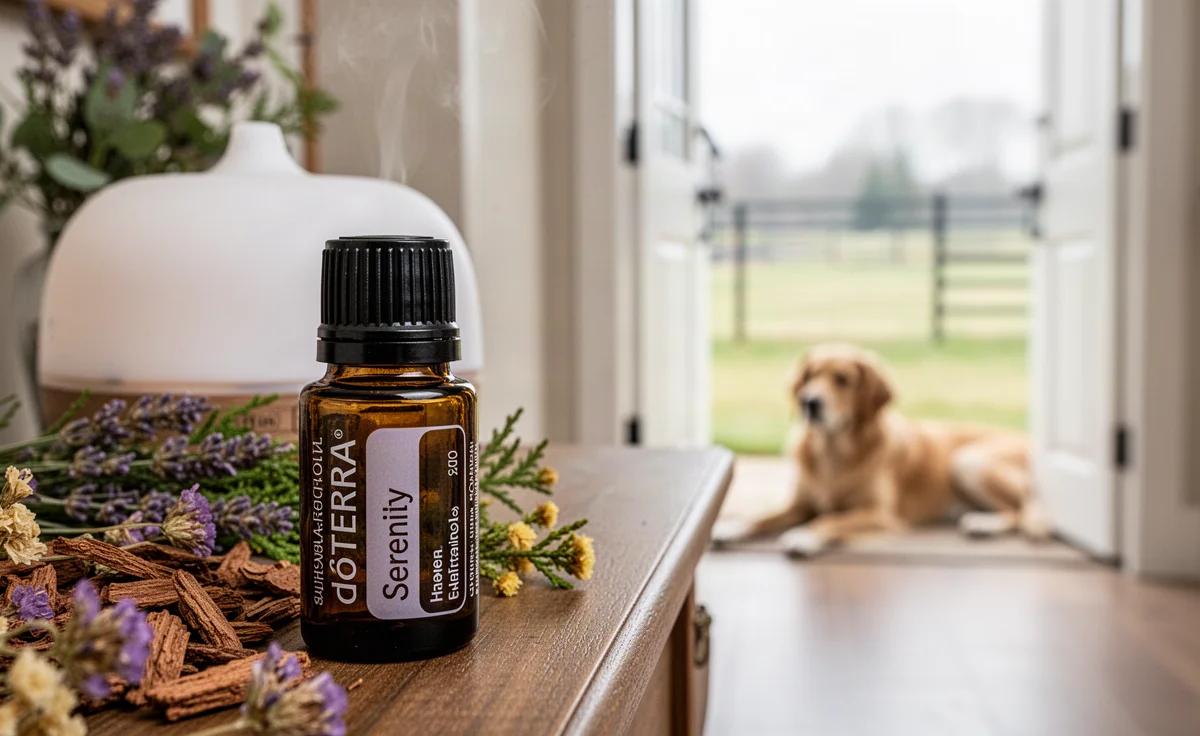
By the EssentialTail Team — pet owners, Wellness Advocates & doTERRA enthusiasts
You are not alone if you have ever watched your dog pace during a thunderstorm or tremble when the doorbell rings and wished you had something gentle to offer. The short answer is that some owners do use calming essential oils around dogs as part of a quiet home routine, but no essential oil treats or cures canine anxiety, and the first step is always a conversation with your veterinarian. What we can share here is an experiential, vet-first guide to the oils owners mention most often for a calm atmosphere, the ones to avoid, and how doTERRA's purity standards fit into the picture.
What doTERRA Oils Do Owners Reach For
When we talk with other dog owners, a few doTERRA oils come up again and again for creating a settled atmosphere in shared rooms. These are not treatments, just aromas many people associate with a slower, softer feeling at home.
| Oil | Aroma Experience | What Owners Often Say |
|---|---|---|
| Lavender | Soft, floral, mellow | The classic choice for a calm evening |
| Frankincense | Warm, resinous, grounding | Used during quiet wind-down time |
| Cedarwood | Woody, earthy, stable | Popular among outdoor-minded dog people |
| Roman Chamomile | Gentle, apple-like, soothing | Favored for a delicate room aroma |
| Vetiver | Deep, smoky, anchoring | Appreciated by those who love rich scents |
Some owners also keep doTERRA Serenity or doTERRA Balance in their collection for human-centered calm that fills shared spaces, while doTERRA Copaiba is sometimes described as soft and mellow. The reason we feel comfortable reaching for these is doTERRA's CPTG testing, which verifies purity and potency before a bottle ever enters our home.
Diffusing Responsibly Around a Nervous Dog
If you decide to diffuse, the setup matters more than the oil. This is the routine we recommend most often to owners who ask.
- Ask your vet first. No routine is right for every dog, and your vet knows your animal's health history.
- Choose an open, ventilated room. Never confine a dog to a small, closed space with a running diffuser.
- Keep the door open. Your dog needs the freedom to walk away the moment the scent feels like too much.
- Start with a very light amount. Far less than you would use in a pet-free room, and never in continuous mode.
- Watch quietly. If your dog sniffs, paces more, pants, or leaves, stop and give the room fresh air.
The doTERRA Petal Diffuser wins people over with its gentle mist and simple controls. Many owners pair it with calming blends. For a full look at the routine, see our Calming Essential Oils for Anxious Dogs Guide, and for specific owner questions, check our article on calming essential oils for dogs with anxiety.
Oils to Avoid Entirely
Caution is the backbone of our approach, and some oils never enter a room where a dog lives. Tea Tree (Melaleuca), Oregano, Thyme, Cinnamon, Clove, Peppermint, Eucalyptus, Wintergreen, Pine, and citrus oils like Lemon and Wild Orange are all on our avoid list. For cats this danger is even higher, and for birds it can be rapidly fatal, so we simply do not diffuse around those animals without a veterinarian's explicit approval.
When we choose oils like doTERRA Lavender, doTERRA Frankincense, or doTERRA Cedarwood, it is because of CPTG testing and the reassurance that comes from knowing exactly what is in the bottle. Purity is the reason we choose doTERRA, never the promise of a behavioral fix.
Setting Up a Calm Zone Before Diffusing
A diffuser alone rarely changes a dog's emotional state. The dogs who respond best are usually already in a space designed for settling. Owners often overlook that the physical environment sets the tone long before any aroma enters the air.
A practical calm zone includes a low-traffic corner, a familiar bed or mat, and some muffling of outside triggers. If your dog reacts to street noise, close the window on that side of the house and diffuse on the opposite end of the room. If doorbell reactivity is the issue, place a fan near the entryway to disrupt the sound before it reaches your dog's ears.
One common mistake is diffusing in a room where the dog has never chosen to rest. The aroma then becomes associated with an unfamiliar or active space, which can work against your goal. Watch where your dog already naps and make that spot the diffusion point, with the oil amount cut in half from what you would use in a human-centered room.
Timing and Trigger Prediction
Calming aromas are most useful when introduced before anxiety peaks, not after. Once a dog is already pacing or trembling, adding a new scent can feel like another unpredictable variable in an already overwhelming moment.
A practical rule of thumb is to begin diffusing 20 to 30 minutes before a known trigger. That could mean before a forecast thunderstorm, ahead of a scheduled visitor, or in the lead-up to a fireworks-heavy evening. The goal is to pair the aroma with a still-calm version of your dog, so the scent becomes part of the wind-down rather than the event itself.
Some owners make the mistake of starting the diffuser as a reaction to barking or panting. The dog may then associate the scent with the stressful event, which is the opposite of what you want. If you miss the pre-trigger window, skip the oil entirely and focus on quiet, grounded presence until your dog's body language softens.
Frequently Asked Questions
Can I put calming essential oils directly on my dog? No, never without veterinary guidance. Essential oils are highly concentrated, and an animal's skin, weight, and health make every situation different. Diffusion in a ventilated room is the responsible starting point, after your vet says yes.
Should I diffuse essential oils around a dog that cannot leave the room? Never. An open door and the freedom to walk away are non-negotiable. If your dog is crated, gated, or otherwise confined, skip diffusion entirely.
What should I do if my dog licks or spills an essential oil? Contact your veterinarian or an animal poison control center immediately. Do not wait, do not try a home remedy. Emergencies go to a professional right away, every time.
A Softer Ending
A calm home is built on routines, quiet presence, and a deep respect for what your dog is telling you. Essential oils can be a small part of that atmosphere, chosen carefully and always with your veterinarian's blessing.
This content is for general information only and is not veterinary advice. Always consult a qualified veterinarian before using essential oils in a home with animals.
Explore doTERRA essential oils · Browse doTERRA products