doTERRA Oils and Dogs with Allergies Explained
Wondering if doTERRA oils are safe for dogs with allergies? Learn what to ask your vet and how to create a calm, comfortable home environment.
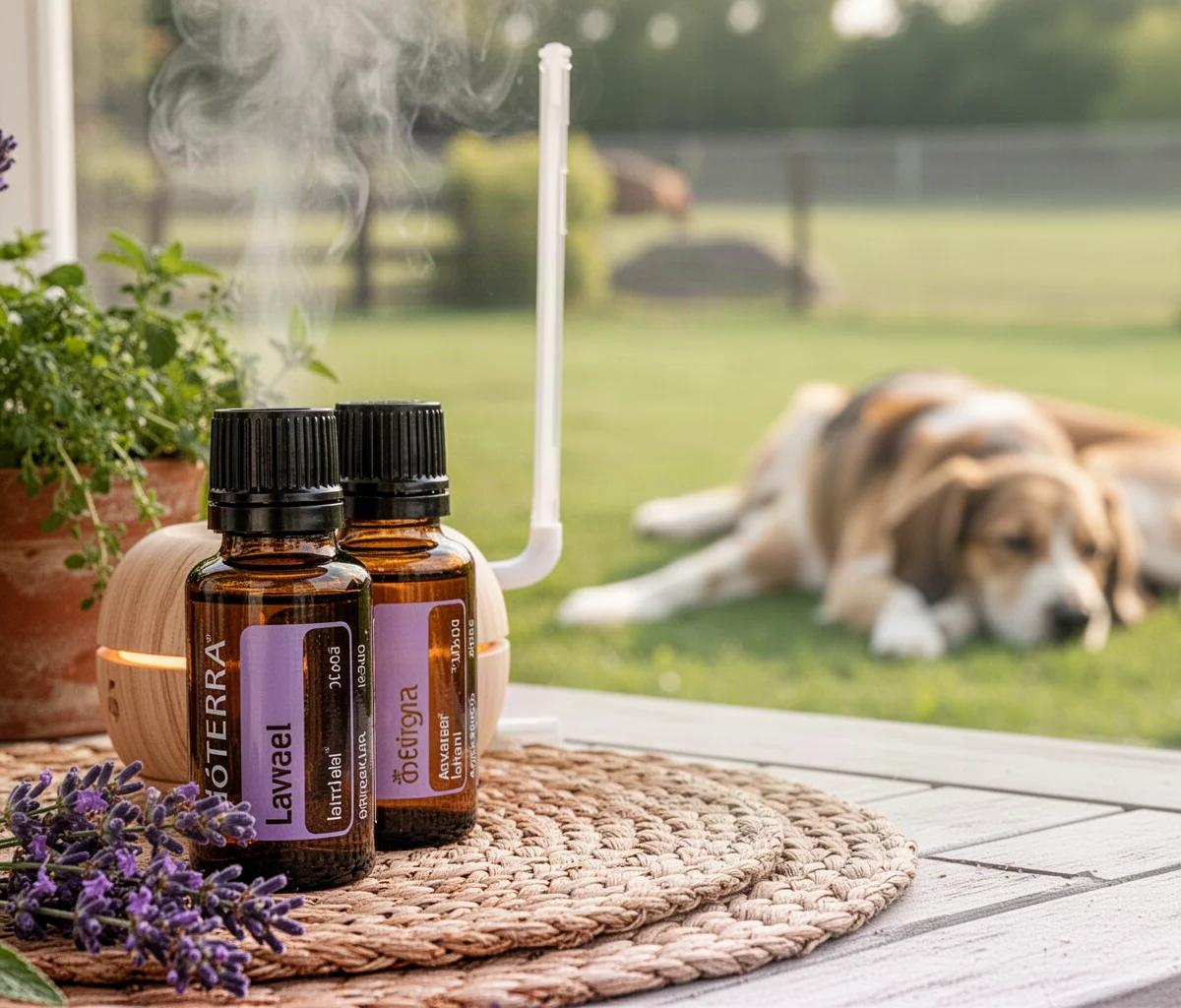
By the EssentialTail Team — pet owners, Wellness Advocates & doTERRA enthusiasts
You are not the only one who has ever looked at a diffuser and then down at a scratching, sneezing dog and wondered if the two belong in the same room. That feeling of wanting to help while being terrified of making things worse is exactly where most careful pet owners start. The direct answer, and the one I always emphasize, is that no essential oil should ever be put on or given to an allergic dog without your veterinarian's explicit approval. Allergies are medical conditions, and essential oils are not a treatment for them. What we can talk about is how to responsibly manage your home's aroma, which oils are generally considered by pet owners to be more irritating than others, and how doTERRA's focus on purity and testing helps you know exactly what you are bringing into your home.
A Softer Aroma Profile for a Sensitive Household
In our experience, when a dog has allergies, the vet's advice often includes minimizing environmental irritants. This could include airborne particles, cleaners, and even overpowering scents. The goal with a diffuser in this type of home is not to treat the allergy, but to avoid adding to the sensory load.
Here is a comparison of how some common oil types are viewed through the lens of a pet-sensitive home. Please note, this is not a safety rating, simply a guide to how owners often perceive their intensity, and every animal is different.
| Aroma Character | General Profile | Pet Owner Consideration |
|---|---|---|
| Eucalyptus | Sharp, camphoraceous | Often considered intense; many owners avoid it around small or sensitive animals. |
| Peppermint | Strong, mentholated | Very pungent; usually avoided in homes with cats and birds, often considered too strong for allergic dogs. |
| Lavender | Soft, floral, herbaceous | Generally perceived as a gentler aromatic profile in the human wellness space. |
| Frankincense | Warm, balsamic, earthy | Valued for its grounding, warm scent; often used in meditation spaces. |
| Cedarwood | Woody, dry, comforting | A classic, cozy scent that many owners associate with calm, natural woods. |
Keeping the Air Pleasant Without Overwhelming
If your veterinarian has confirmed that diffusing a specific, pure oil is acceptable for your specific dog, the secret is restraint. Animals experience scent far more intensely than we do. A pleasant background note for you can be a wall of odor for a dog with sensitive skin or sinuses.
Here is the step-by-step approach I use to keep things reasonable:
- Start with the vet conversation. Bring the specific oil bottle, show the label, and ask if the aroma is appropriate for your dog's specific allergy and respiratory status. Never skip this step.
- Ensure an escape route. The dog must always, without exception, be able to walk out of the room and away from the diffuser. A closed door is a hard no.
- Use the purest oil available. This is where the doTERRA argument for CPTG testing matters. Impurities, synthetic fillers, or adulterants in a low-quality oil could introduce unknown variables into your home. With a dog who is already allergic, knowing the bottle contains only what the label says is paramount. A bottle of Lavender or Frankincense from a tested source gives you transparency.
- Diffuse for a short burst, not a marathon. An hour of diffusing in a well-ventilated area is generally better tolerated than running it all day. When the smell lingers on fabric and carpet, it becomes a constant exposure for a dog who lies on the floor.
- Watch and ask. Any increase in scratching, sneezing, watery eyes, or lethargy means you stop immediately and call your veterinarian. Your dog's behavior is the best feedback loop you have.
When owners ask me about creating a calm environment, I often point them toward the concept discussed in our article on essential oils safe for dogs with anxiety: the environment matters, but the vet's guidance comes first. For dogs who are itchier and more reactive, a woody option like Cedarwood or an earthy, gentle classic like Roman Chamomile is sometimes favored for its softer aromatic character. Many owners also enjoy Copaiba for its mild, slightly sweet, woody aroma.
If diffusing feels too risky, you don't have to diffuse at all. A bottle like Vetiver can be appreciated by you from the bottle, or used in a personal inhaler away from your dog, to enjoy a grounding, smoky aroma without filling the shared airspace. Another careful option is Sandalwood, known for its rich, sweet, and grounding scent that many owners enjoy in their own personal spaces.
For a broader look at how to share space with your dog, see our guide on safe essential oils for dogs diffuser. It covers the principles of keeping shared air truly safe for the dog who cannot tell us when a smell is too much.
Related reading
Frequently Asked Questions
Can I put doTERRA lavender oil directly on my dog's itchy skin? No, absolutely not. Applying any undiluted essential oil to irritated, allergic skin can cause significant discomfort and worsen the reaction. Always consult your veterinarian for appropriate allergy management.
What is the safest way to use doTERRA oils in a house with an allergic dog? The safest way is to first ask your veterinarian if diffusing a specific oil is acceptable for your dog's condition. If approved, diffuse only in a large, well-ventilated room with the door open so your dog can leave, and keep sessions very short.
Are synthetic fragrances or candles worse for dogs than pure essential oils? Many synthetic fragrances contain phthalates and complex chemical cocktails that can be very irritating to sensitive animals. High-quality, pure essential oils offer ingredient transparency, but "pure" does not mean "safe for dogs." A pure aroma can still be overwhelming, so the same vet-first rules apply.
Why is CPTG purity important if my dog has allergies? If a low-quality oil contains pesticides, adulterants, or synthetic solvents, you are introducing unknown and potentially irritating compounds into your home. doTERRA's Certified Pure Tested Grade standard is a rigorous testing protocol that verifies there are no fillers or contaminants, giving you, and your veterinarian, a clear picture of what you are actually diffusing.
Allergic dogs need gentle routines, transparent products, and an owner who watches them closely. Keeping your home's aroma soft, pure, and under your vet's guidance is the most respectful way to live well together.
This content is for general information only and is not veterinary advice. Always consult a qualified veterinarian before using essential oils in a home with animals.