doTERRA Serenity for a Senior Dogs Calm Home
Learn how doTERRA Serenity oil can support a calm home for senior dogs, with vet-first safety tips and responsible diffusion advice.
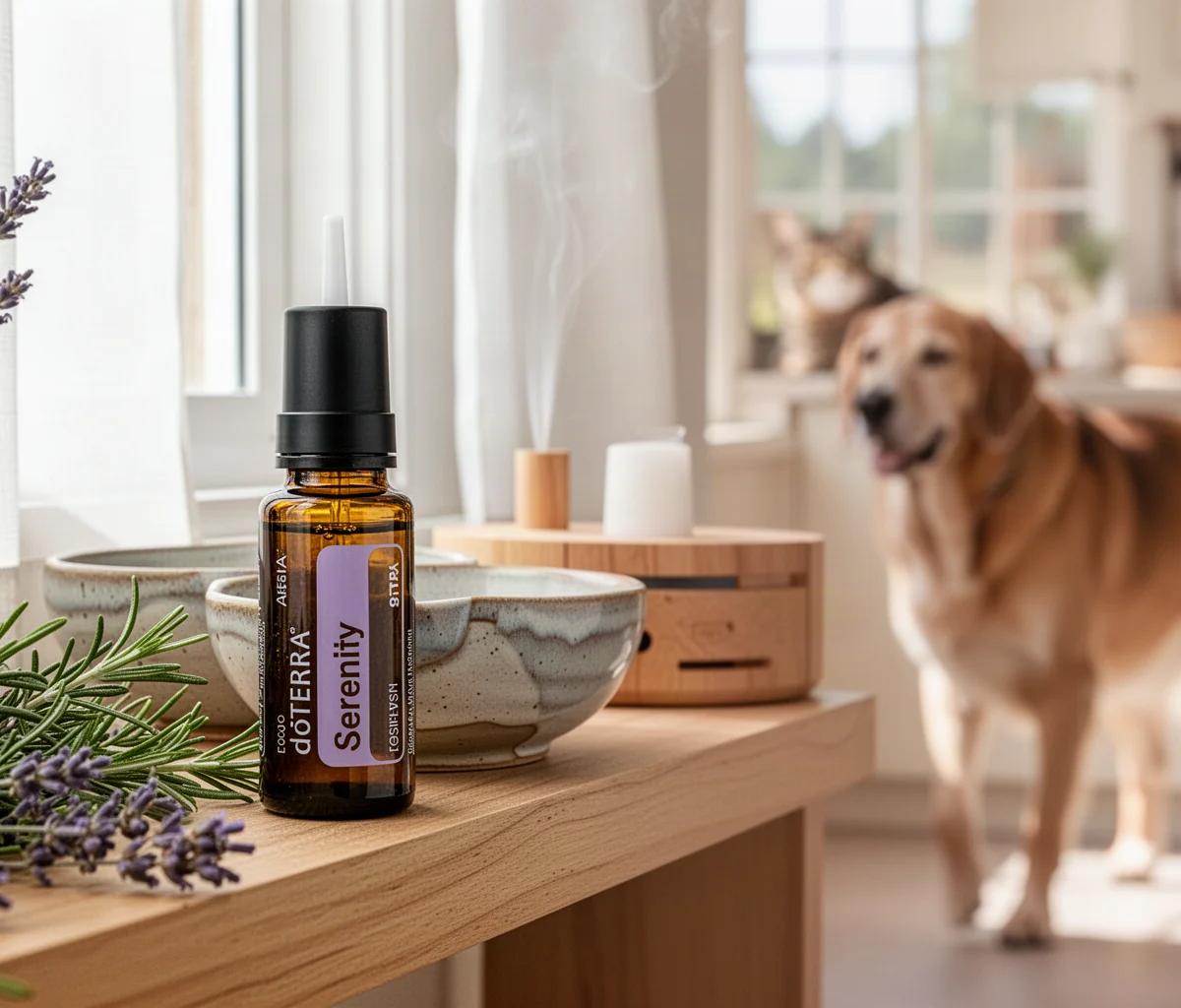
By the EssentialTail Team — pet owners, Wellness Advocates & doTERRA enthusiasts
My old Labrador, Gus, used to pace the hallway every evening when the house got noisy. If you are here, you probably know that exact moment too. Here is the direct answer: doTERRA Serenity is a gentle, well-loved blend many owners use to make shared living spaces feel quieter and more peaceful, but it should never be applied to your senior dog, and any diffusion around pets requires your veterinarian's approval first. The goal is a calm home, not a home remedy.
What doTERRA Serenity Actually Is
Serenity is doTERRA's calming blend, known for its soft, floral aroma with lavender, sweet marjoram, roman chamomile, and sandalwood notes. It carries doTERRA's CPTG purity and testing standard, which means every batch is checked for contaminants and synthetic fillers. That quality assurance matters to pet owners, because what goes into the air is shared with the animals in the room.
Many owners first try Balance, another grounding blend with a warmer, woodier profile. Serenity feels lighter and more floral by comparison. Neither is a sleep aid, a sedative, or a treatment for anything. For senior dogs especially, the conversation is about the environment you create, not the oil you administer.
Building a Calm Home, Step by Step
A calm atmosphere for a senior dog comes from routine, quiet, and predictability. A diffuser can be a small part of that, used carefully.
- Ask your veterinarian first. Older dogs often have respiratory, kidney, or liver changes that make any airborne product a different conversation than it would be for a young, healthy dog. No blog can know your dog's history; your vet can.
- Choose a low-traffic room. Diffuse only in a well-ventilated space where your senior dog is not confined. The animal must always be able to walk away.
- Keep the aroma light. Use a small amount, far less than you would in a pet-free home, and run the diffuser for a short period only. Never add oils to food, water, or bedding.
- Observe without assuming. Watch for squinting, sneezing, drooling, or your dog choosing to leave the room. Those are signals to stop and talk to your vet.
- Reinforce with comfort. Soft light, a quiet corner, and a familiar blanket usually do more for an old dog than any oil ever will.
If your senior dog is more restless than anxious, our guide on doTERRA oils for a hyper dog at home covers how owners think about energy and environment. But underlying the whole subject is calming essential oils for dogs anxiety, which goes deeper into options and safety.
| Product | Aroma Profile | Why Senior Dog Owners Mention It |
|---|---|---|
| Serenity | Soft, floral, gentle | Calm, quiet home atmosphere |
| Balance | Warm, woody, grounding | Cozy evening routines |
| Cedarwood | Deep, earthy, outdoorsy | Relaxed, natural shared spaces |
| Roman Chamomile | Sweet, apple-like, mellow | One of the softest aromas in the line |
What the Experts Emphasize
The Animal Poison Control Center run by the ASPCA, the Pet Poison Helpline, and the American Veterinary Medical Association all stress the same point. Essential oils are concentrated plant compounds, and an animal's reaction depends on species, age, health, and dose. Senior dogs often have less respiratory reserve than younger animals, which makes professional guidance even more important.
Cedarwood is another oil owners mention for its earthy character and is sometimes discussed alongside Roman Chamomile, whose aroma is famously soft. A few owners also keep Copaiba on hand for its unusually mild, almost neutral scent. And where Serenity stays the emotional center of a home routine, Vetiver brings a dense, grounding note that many people enjoy when the house winds down for the night. None of these is a treatment. All of them are simply aromatic choices that belong behind a veterinarian's approval.
Related reading
- doTERRA Serenity for Dogs Review and Safety Verdict
- Best Calming Essential Oil for Senior Dogs
- Safe Essential Oils for Elderly Dogs Daily Routine
Frequently Asked Questions
Can I apply Serenity to my senior dog's collar or bedding? No. Oils should not be applied to your dog's skin, coat, collar, or bedding. Ingestion through grooming is a real risk, and older dogs deserve the caution of a veterinarian's specific guidance.
Is Serenity safe to diffuse around an older dog? Diffusion is not automatically safe for any dog, and senior dogs can be more sensitive. Ask your veterinarian first, diffuse in a ventilated room, use a very small amount, and always let your dog leave the space.
How is Serenity different from Balance? Serenity has a lighter, more floral character, while Balance is warmer and woodier. The choice is personal and aromatic, never a decision about treating or changing your dog.
What is the best way to help a senior dog feel calm? Routine, a quiet resting area, predictable mealtimes, soft light, and gentle company. A diffuser, when approved by your vet, can be a small part of that atmosphere, but it never replaces comfort and consistency.
What should I do if my dog has a bad reaction to a diffused oil? Turn off the diffuser, move your dog to fresh air, and contact your veterinarian or an animal poison control center immediately. Do not wait or try a home remedy.
A Peaceful Home, Built Carefully
A calm home for a senior dog begins with your presence, a steady routine, and a veterinarian who knows your dog. Serenity can contribute an aroma you love, but only when used thoughtfully and never on the animal itself. What older dogs appreciate most is exactly what you are already giving them: attention, patience, and a place to rest.
This content is for general information only and is not veterinary advice. Always consult a qualified veterinarian before using essential oils in a home with animals.