Essential Oils for Your Dogs Skin What I Learned
Wondering which scents are gentle on a dog's coat? Discover the pet-safe oils I use, the ones to always avoid, and why your vet's advice matters most.
By the EssentialTail Team — pet owners, Wellness Advocates & doTERRA enthusiasts
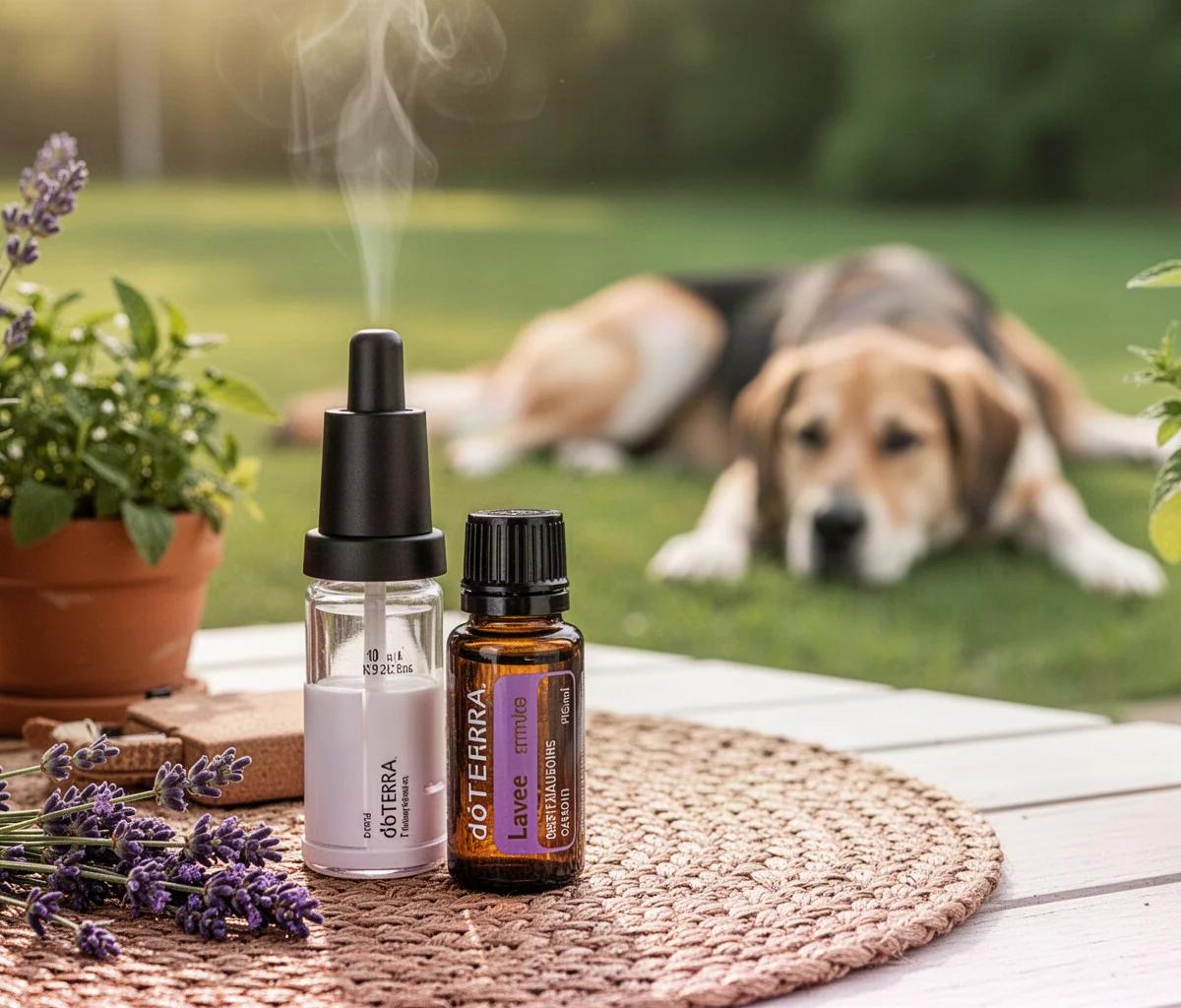
Watching your dog scratch and lick at their own coat is one of those quiet worries that sits in the back of your mind all day. If you have been staring at your shelf of essential oils wondering which ones, if any, could bring a little soothing comfort, you are not alone. The direct answer is that every decision about what touches your dog’s skin must start with your veterinarian. While I do use a small handful of oils around my own dogs, I only do so under my vet’s guidance, and it is never about treating a condition. It is about sharing the gentle aromas and sense of calm I create for myself, always with the animal’s freedom to walk away. The oils I reach for are known for their mild, grounding scents, and I never apply them without first learning how to do so safely from a professional. There is also a firm list of oils that never, ever enter my home when my dogs are around, and Tea Tree sits right at the top of that list.
The Scents I Choose for a Calm, Shared Space
My own approach to scent around my dogs is built on what is gentle for me and what a vet has confirmed is okay for a well-ventilated home. I lean toward oils that are soft, earthy, and completely free of the sharp, phenolic notes that are so problematic for animals.
| Gentle Oil | Aroma Profile | My Personal Experience |
|---|---|---|
| Lavender | Floral, herbaceous, airy | I diffuse this sparingly during quiet evenings. The scent is universally calming, and my dogs simply nap through it. |
| Frankincense | Warm, resinous, grounding | A drop on my own hands during meditation. The aroma is complex and serene, and it disappears into the background naturally. |
| Roman Chamomile | Sweet, apple-like, very soft | This is the gentlest floral I own. The fragrance feels like a whisper, never invasive, and I use it only when the room feels especially restless. |
| Cedarwood | Woody, warm, reminiscent of a forest floor | I love this for long afternoons reading. It smells like nature, and the steady, reassuring scent seems to suit everyone in the house. |
What I appreciate most about these oils is their purity. The CPTG testing standard gives me confidence that what I am smelling is exactly what the label says, nothing adulterated or synthetic. That matters a great deal when the air I am creating is shared with animals who cannot tell me if something feels off.
How I Introduce a New Scent Around My Dogs
This is the routine my veterinarian helped me build, and it has become second nature. It is not a protocol for treatment; it is simply a way to keep my home pleasant without overwhelming the furry members of the family.
- Get a vet consult, always. I never bring a new oil into the home without first describing it to my veterinarian and getting an explicit okay, especially with an older dog or one with respiratory sensitivities.
- Prepare a completely open space. I choose the largest, most ventilated room in the house. Doors stay open, windows are cracked, and a clear exit path is maintained. A dog must always be able to leave.
- Diffuse a tiny amount, briefly. I add a very small amount of a single oil to a water-based diffuser and run it for only ten or fifteen minutes. I never use multiple new oils at once. The concept of using oils safely for a dog’s breathing starts with this kind of restraint, as discussed in our guide to essential oils safe for dogs to breathe.
- Watch and listen. I do not leave the room. I watch for any change in behavior: ears pinning back, sudden restlessness, heavy panting, or heading for the door. These are clear signals that the scent is too much.
- Flush the room with fresh air. After the diffuser stops, I open all windows and let the room clear completely before the dogs have access again without my supervision.
I also stay especially mindful of any diffuser habits that could affect a dog’s respiratory comfort, which I cover in more detail in the separate article on safe essential oils for dogs diffuser use. It is a quieter, wellness-centered way of sharing a home.
A note on oils I never use: Even when a dog is not in the room, I do not diffuse wintergreen, birch, or peppermint. Their intense, sharp aromas are simply not worth the risk, because dogs experience scent far more powerfully than we do.
Related reading
- doTERRA Oils Gentle Enough for Dogs
- DoTERRA Oils Gentle Enough for Dogs
- Essential Oils and Dog Skin Allergies Explained
Frequently Asked Questions
Can I put a diluted essential oil directly on my dog’s skin?
You should not do this without your veterinarian’s direct, written instruction. A dog’s skin absorbs substances differently than human skin, and even a gentle oil can cause irritation or be ingested when the dog licks the area. The dilution amount and carrier oil choice are a veterinary medical decision, not a casual one.
Which essential oil is most dangerous for a dog’s skin?
Tea Tree oil is widely cited by veterinarians as a particularly hazardous oil for dogs, especially if applied undiluted or at a concentration meant for human skin. It can be absorbed rapidly and cause serious neurological and dermal reactions. This is not an oil I keep anywhere my dogs can reach.
What should I do if my dog licks an essential oil off their skin?
Take your dog to the veterinarian or contact an animal poison control center immediately. Do not wait for symptoms to appear, and do not try to induce vomiting or apply a home remedy. Speed is critical, and the only safe first step is professional evaluation.
A Scented Home Without the Stress
Living well with dogs and essential oils is possible, but it lives in the realm of quiet, attentive care, never in bold claims or casual application. My own routines are built entirely around my veterinarian’s advice, a few gentle oils with aromas I trust, and a deep respect for what my dogs’ senses can handle. The bond we share is strengthened not by what I put on their skin, but by how carefully I listen to their silent signals every day.
This content is for general information only and is not veterinary advice. Always consult a qualified veterinarian before using essential oils in a home with animals.