Essential Oils That Are Toxic to Cats
Learn which essential oils are dangerous for cats and how to keep your feline friend safe while enjoying aromatherapy at home.
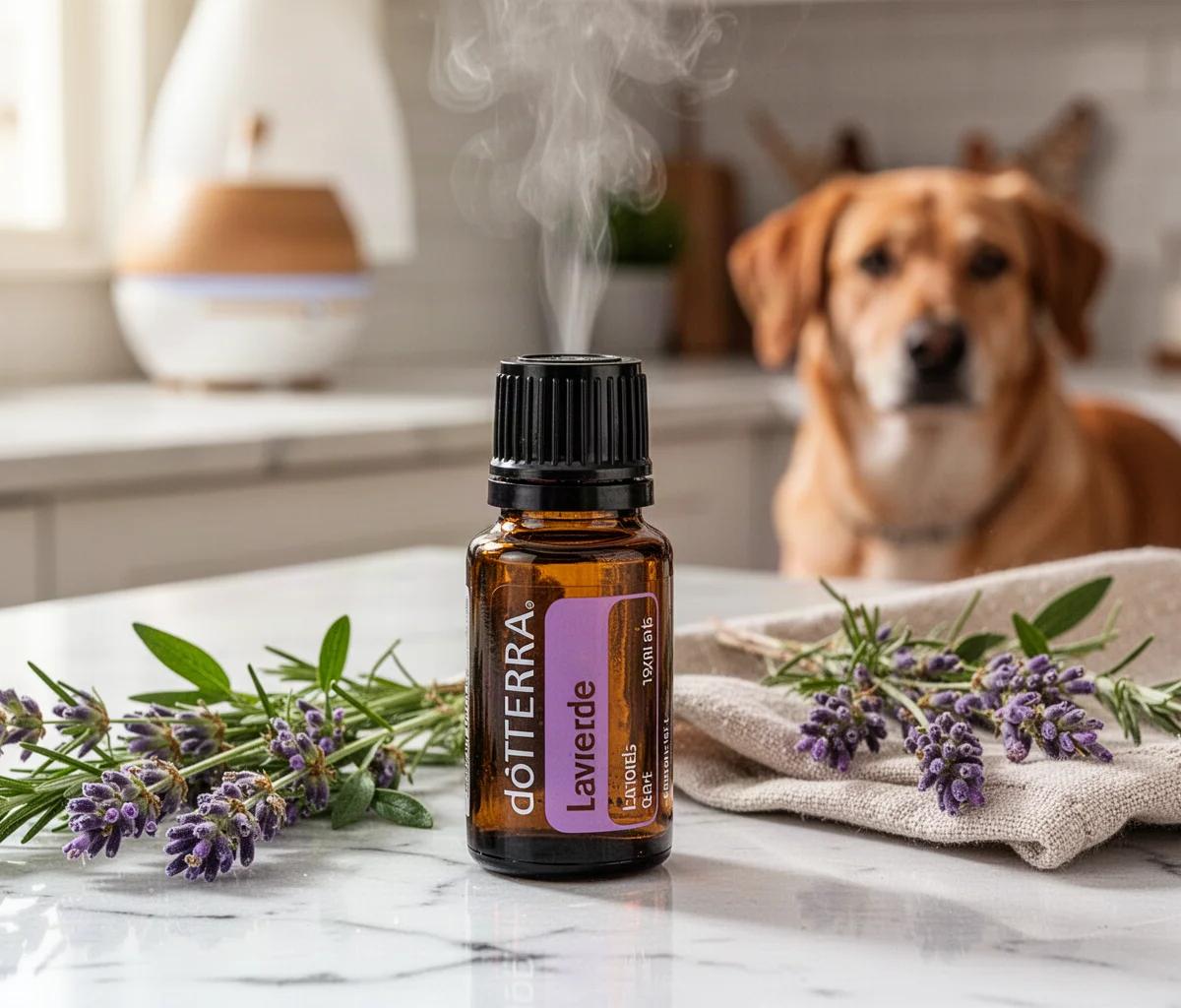
By the EssentialTail Team — pet owners, Wellness Advocates & doTERRA enthusiasts
You are diffusing your favorite blend, the house smells wonderful, and then you notice your cat curled up on the couch nearby. It is a moment many of us have had, and it stops you cold. If you are reading this, you are probably wondering which oils actually put your cat at risk, and what to do about it.
The direct answer is that many essential oils are toxic or even fatal to cats. Cats lack a key liver enzyme needed to metabolize certain compounds found in oils, which means substances that are fine for humans can build up in a cat's system and cause serious harm. Oils to avoid around cats include Tea Tree, Oregano, Thyme, Cinnamon, Clove, most citrus oils like Lemon and Wild Orange, Peppermint, Eucalyptus, and Wintergreen. Before using any essential oil in a home with cats, always consult your veterinarian and follow doTERRA's product label guidance. For a deeper look at the full list of risky oils, see our guide on essential oils toxic to cats.
The Most Dangerous Oils for Cats
The reality is that cats process oils very differently than we do. Their bodies cannot clear certain aromatic compounds efficiently, so even small amounts can be a real problem. The oils that deserve the most caution fall into a few clear groups.
| Oil or Group | Why It Is Risky for Cats | Common Products It Appears In |
|---|---|---|
| Tea Tree | Especially dangerous for cats, known for causing severe reactions | Cleaning blends, spot treatments |
| Oregano, Thyme, Cinnamon, Clove | Phenolic compounds are harsh and poorly tolerated by cats | Spice and immune-support blends |
| Lemon, Wild Orange, Bergamot, Grapefruit, Lime | Citrus oils contain compounds cats struggle to break down | Uplifting and cleaning blends |
| Peppermint and other mints | Potent menthol and related compounds can overwhelm a cat's system | Cooling and focus blends |
| Eucalyptus, Wintergreen | Strong aromatic compounds that are risky for feline respiratory systems | Respiratory and muscle blends |
This is not a complete list, but it covers the ones pet owners ask about most. You can also read our companion piece on what to avoid when diffusing oils around cats for more context. If you want to change up your home aroma routine, gentler options many owners keep in a separate, cat-free space include Lavender, Frankincense, and Cedarwood. Keep in mind that even these are not automatically safe for cats, so veterinarian guidance is essential.
What to Do if Your Cat Is Exposed
If you are worried your cat has been exposed to an essential oil, the steps you take matter more than guessing. The ASPCA Animal Poison Control Center and the Pet Poison Helpline both stress that time is critical, and your veterinarian should be your first call.
- Move your cat to fresh air immediately. Open windows and remove the source of the scent, whether that means turning off the diffuser or taking the bottle out of the room.
- Do not wait and see. If your cat has licked an oil, gotten it on their fur, or is acting off in any way, contact your veterinarian or an animal poison control center right away.
- Avoid home remedies. Do not try to make your cat vomit, do not wash them with soap or water unless instructed by a professional, and do not offer milk or food as a fix.
- Bring the oil bottle with you. The label gives the vet and poison control experts exactly what they need to act fast.
In our experience, the safest approach is prevention. Never diffuse in a room your cat cannot leave, never apply oils to a cat, and store every bottle well out of paw's reach.
Related reading
- DoTERRA Oils and Cats What to Truly Avoid
- Essential Oils Toxic to Dogs and Cats
- Which Essential Oils Are Dangerous for Cats
Frequently Asked Questions
Can I diffuse essential oils in a room my cat sometimes enters?
The safest approach is to avoid diffusing in any enclosed space your cat cannot freely leave. Even then, cats are far more sensitive than humans, so ask your veterinarian before starting any diffusing routine.
Is lavender oil safe for cats?
Not necessarily. While some owners use Lavender cautiously in cat-free areas, none of the oils in that category should be called safe for cats. Cats lack the liver enzyme needed to process many compounds, so always get your vet's clearance first.
What should I do if my cat licked a drop of essential oil?
Contact your veterinarian or an animal poison control center immediately. Do not wait for symptoms, do not try to make the cat vomit, and do not offer any home remedy.
Conclusion
Cats and essential oils demand caution. A pleasant home aroma is never worth putting a beloved pet at risk, and the wisest move is always to ask your veterinarian first.
Adaptiv · Arborvitae · Balance
This content is for general information only and is not veterinary advice. Always consult a qualified veterinarian before using essential oils in a home with animals.