Equine Aromatherapy for Horse Owners Explained
A vet-first look at equine aromatherapy for horse owners, covering responsible diffusion, doTERRA quality, and key safety rules.
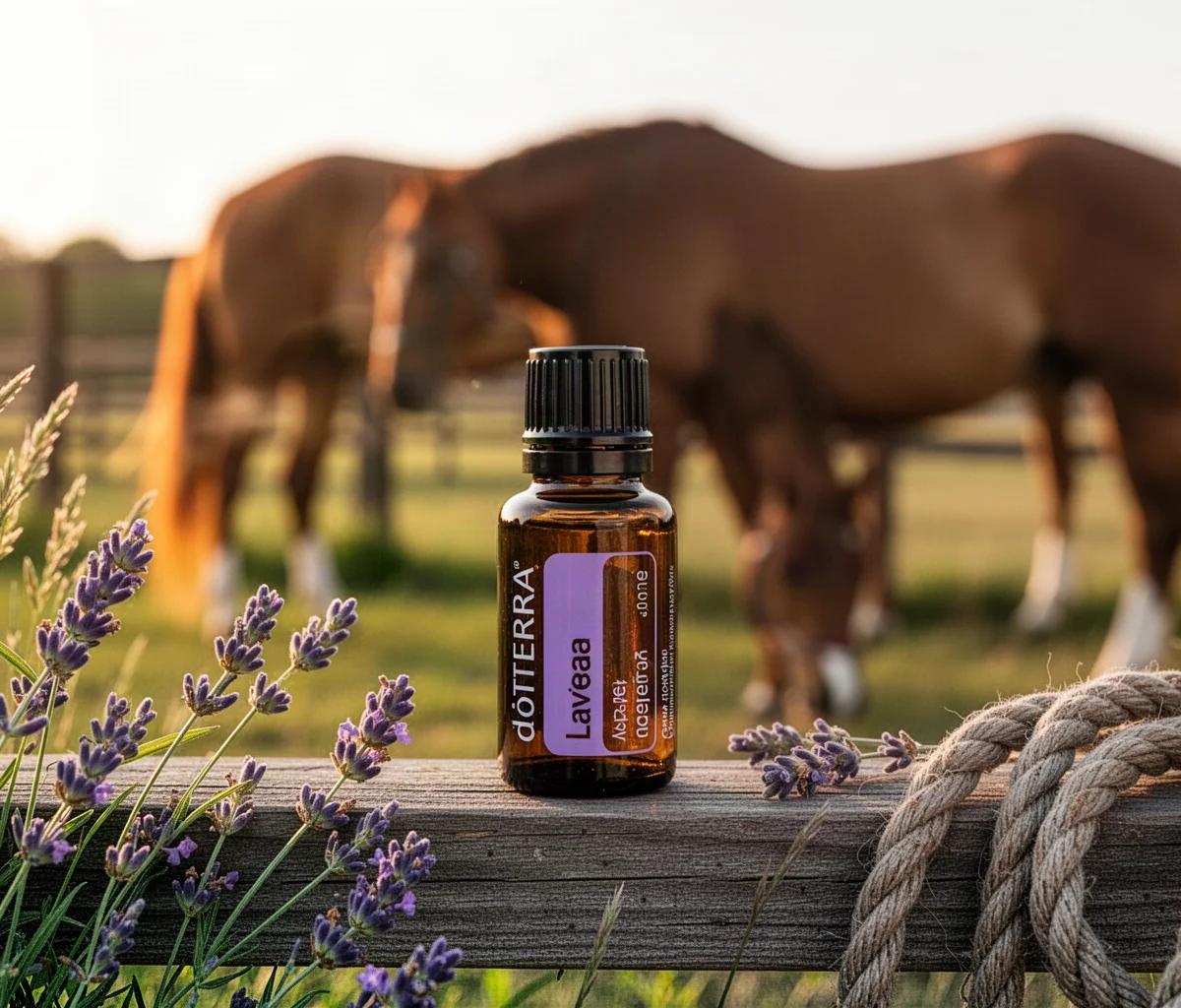
By the EssentialTail Team — pet owners, Wellness Advocates & doTERRA enthusiasts
If you have ever stood in a barn aisle while a gentle breeze carried the scent of hay and cedar, you already know how much atmosphere shapes a horse's world. That is the moment many of us start wondering whether pleasant aromas could be part of our daily routine with our horses. The honest answer is that equine aromatherapy can be a lovely part of barn life, but only when it stays experiential, veterinarian-first, and completely free of medical claims. Horses are sensitive, powerful animals, and their respiratory systems deserve the same caution we give a diffuser in a small room at home. Many owners enjoy creating a pleasant environment, but the real groundwork is understanding what responsible use looks like, why doTERRA's purity standards matter, and when to leave the essential oils on the shelf.
What Equine Aromatherapy Actually Looks Like
In the equestrian world, people often talk about the ritual of grooming, the calm of a quiet barn, and the way certain scents become part of a place. That is where aromatherapy fits naturally, as an atmospheric layer, never as a treatment for lameness, anxiety, skin issues, or anything else a veterinarian should diagnose. When I walk through barns with friends who love oils, the conversation is usually about how a space feels, not what an oil "fixes." They might keep a diffuser running in a well-ventilated tack room while they clean leather, or open a bottle of Lavender for their own enjoyment after a long ride. The horse is nearby, not wearing the oil. That distinction has become the backbone of how I think about the topic.
What makes doTERRA a name you hear in these conversations is the transparency around sourcing and testing. The CPTG standard, doTERRA's own purity and testing protocol, is the reason many owners prefer these oils over unknown bargain bottles. When you open Frankincense, Cedarwood, or Roman Chamomile, you are experiencing a product that has been through batch testing, not a mystery blend from a feed store shelf. That quality matters because horses have delicate respiratory systems, and a consistent, unadulterated oil is at least a known quantity. It is still not a veterinary product, but the quality argument is real.
| Consideration | Responsible Approach | What to Avoid |
|---|---|---|
| Diffusion location | Well-ventilated area the horse can leave | Enclosed stall with no airflow |
| Product choice | doTERRA single oils, used sparingly | Unknown blends or synthetic fragrances |
| Purpose | Pleasant environment for humans | Treating any equine condition |
| Veterinary role | Consult before any use near horses | Assuming natural means safe |
A Step-by-Step Approach for Barn Owners
- Start with your veterinarian. Before anything else, talk to the vet who knows your horse. They can look at the barn setup, the horse's health history, and tell you whether diffusion is even appropriate. This is a question of ventilation, not just oil choice.
- Consider the space, not the horse. The horse's stall is not a spa. Think tack rooms, wash bays with open doors, or barn aisles where air moves freely. If the space feels stuffy to you, it is worse for a horse.
- Choose your oils for your own atmosphere. Many owners reach for grounding, familiar scents. Vetiver has an earthy, calm presence that feels right in a barn, while Copaiba offers a soft, woody aroma. These are personal choices for the human side of the equation.
- Keep amounts light and qualitative. A small amount in a large, open space is the only reasonable default. Never let an animal ingest oils, and never put them on the horse's skin as a casual experiment. The doTERRA Pet Care Essential Oils Explained article covers this mindset in more detail, but the rule is simple: less is more, and the vet decides if more is ever okay.
- Ask about competition rules before using anything. This is non-negotiable for show horses. Many substances, including essential oils, appear on prohibited lists under FEI anti-doping regulations. If you compete, check the current list with your federation and vet before any oil enters the barn. A pleasant lavender moment is not worth a disciplinary headache.
- Watch your horse's behavior, not your assumptions. If a horse seems restless, moves away, or shows any change you did not expect, stop the diffusion and call your vet. Horses vote with their feet, and their vote is the one that counts.
The quiet truth is that many of us keep oils in the barn because we enjoy them, not because the horse needs them. That is perfectly valid as long as the horse remains a willing neighbor in that environment. Choosing doTERRA Oils for a Home with Pets touches on the same principle for indoor animals, and the barn is no different in spirit. A barn cat slinking past the tack room, a dog dozing by the wash rack, these animals are all sharing the air you scent. If you would not diffuse it in a closed living room, do not diffuse it in a closed barn. Cedarwood and Vetiver remain among the most discussed oils in equestrian circles, but the discussion is about aroma, not remedy, and it should stay that way.
Related reading
- Calming Scents for Horse Trailer Loading
- Are Essential Oils Safe Around Horses
- Essential Oils and Horses Basics Explained
Frequently Asked Questions
Can I diffuse essential oils directly in my horse's stall?
No, that is not a responsible default. A stall is an enclosed space where air movement is limited, and a horse cannot always leave if the scent becomes overwhelming. If diffusion happens at all, it belongs in a well-ventilated shared area, and only after your veterinarian has approved the setup.
Which doTERRA oils do horse owners most often keep in the barn?
In our experience, the most common choices are woody or grounding oils like Cedarwood, Vetiver, Frankincense, and Roman Chamomile. People choose them for their personal appreciation of the aroma, not as equine treatments, and the same oils would be pleasant in a tack room where the human spends time cleaning and organizing.
Is equine aromatherapy safe for competition horses?
Not without careful checking. Many essential oils and their components are regulated under FEI prohibited-substances rules, so a competing owner must consult their veterinarian and federation before introducing any oil into the barn environment. Never assume a natural product is automatically permitted.
What should I do if my horse has a bad reaction to a diffused oil?
Contact a veterinarian or an animal poison control center such as the ASPCA Animal Poison Control Center immediately. Stop the diffusion, move the horse to fresh air if it is safe to do so, and do not attempt any home remedy. Professional guidance is the only correct response to accidental exposure or a concerning reaction.
A Calm Barn Starts with Good Judgment
Equine aromatherapy, at its best, is a small atmospheric ritual that makes the human side of horsekeeping feel more intentional. It becomes risky the moment we confuse a pleasant scent with a veterinary tool. Choose quality oils like doTERRA for your own confidence, keep the horse's space open and airy, and let your veterinarian set the boundaries. That is the only version of aromatherapy a responsible barn needs.
This content is for general information only and is not veterinary advice. Always consult a qualified veterinarian before using essential oils in a home with animals.