Essential Oils and Pets: The Complete Safety Guide
Learn which essential oils are safe for dogs, cats, birds, and horses. A practical guide to diffusing, dilution, and risks. A practical guide with clear, honest.
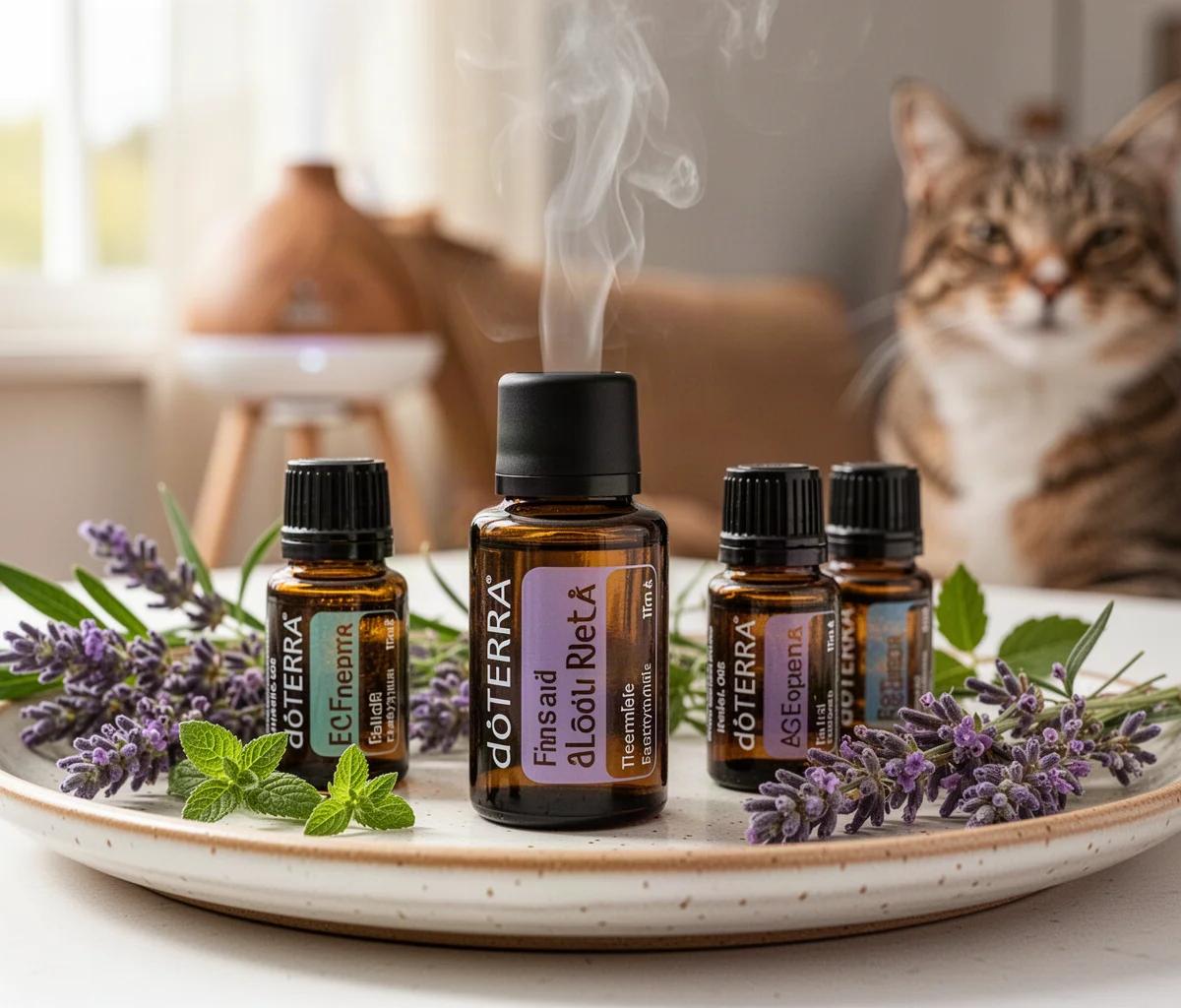
If you love essential oils and you love your pets, you have probably asked yourself a version of this question: can I keep enjoying my favorite scents without putting my furry (or feathered, or hoofed) friend at risk? The short answer is yes, but it takes care, knowledge, and a willingness to think like your pet, not like a human. Their noses are far more sensitive, their bodies process compounds differently, and a few oils that are perfectly fine for us are genuinely dangerous for them. This guide walks you through everything you need to know, from the basics of safe diffusion to which oils to avoid entirely, so you can create a calm, pleasant home for everyone in it.
Why Pets React Differently to Essential Oils
Before you pull out any bottle, it helps to understand why your dog, cat, bird, or horse reacts to essential oils in ways you might not expect. Humans have a strong sense of smell, but dogs and cats have olfactory systems that are dramatically more powerful. A scent that feels subtle to you can be overwhelming to them. Birds are even more sensitive, with respiratory systems that are highly efficient and also highly vulnerable.
But smell is only part of the story. Pets metabolize compounds through their livers using pathways that are not the same as ours. Cats, for example, lack a specific enzyme needed to break down certain phenolic compounds, which is why tea tree oil and cats, a serious danger, is a warning you should take to heart. Dogs are a bit more tolerant but still have limits, especially when it comes to concentration and exposure time. Horses, being large herbivores, have their own sensitivities, particularly around stress and handling.
The takeaway? Always start with the assumption that less is more. You can read about essential oils safe for dogs as a starting point, and remember that the same rules do not apply to cats. For felines, you really need to focus on essential oils that are toxic to cats before you even think about diffusing anything.
The Golden Rules of Diffusing Around Pets
If you are going to use a diffuser, you need a few non-negotiable rules. First, always make sure your space has good airflow. A closed room with a diffuser running on high is a recipe for trouble. Second, give your pet an escape route. Never block off a room so your dog or cat is forced to stay in the scented area. If they leave the room, do not bring them back.
Third, watch the time. A diffuser should run in short bursts, not all day. Fifteen to thirty minutes is plenty for most homes. This is especially important for smaller animals. If you have a puppy, you need to know about essential oils toxic to puppies because their young bodies are still developing and more fragile.
These rules apply no matter what oil you choose. But when you are ready to pick a specific oil, you will want a solid guide on diffusing essential oils safely around pets. And if you are unsure which diffuser to buy at all, check out this dog and cat friendly oil diffuser guide to make an informed choice.
Which Oils Are Actually Safe for Dogs?
Dogs are the most common pets in households that use essential oils, and the good news is that they tolerate a wider range than cats. That does not mean you can go wild, but it does mean you have options. Oils like lavender, chamomile, and frankincense are often well received and can support a sense of calm.
If you have a dog that gets anxious during storms, car rides, or when you leave the house, you might want to look at the best doTERRA oils for dog anxiety. These can be diffused in a safe space or diluted and applied to a bandana or bedding, but never directly on the skin without proper dilution and veterinary input.
For a dog that is simply bouncing off the walls, there are doTERRA oils for a hyper dog at home that can help set a calmer tone. Just remember that every dog is an individual. Some respond beautifully to a particular scent, while others show no interest or even dislike it. Always watch for signs of stress like panting, pacing, or trying to leave the room.
Before you invest in any product, it is wise to understand is doTERRA safe for dogs as a brand. This will help you feel confident about quality and sourcing, which matters when you are introducing anything new to your pet’s environment.
The Cat Question: What Is Safe and What Is Not
Cats are where the rules get truly strict. Their livers simply cannot process some of the compounds that are harmless to dogs and humans. This is why you will find long lists of oils to avoid, and why tea tree oil and cats, a serious danger is worth reading more than once. Tea tree oil, in particular, has been linked to serious reactions in cats, even in small amounts.
So what is left? There are a few oils that are generally considered safer for cats, like frankincense and some forms of cedarwood, but you still need extreme caution and low concentration. If you want a starting point, check out safe doTERRA oils for cats, what I know. It is honest about the limited options and the need for common sense.
If you have kittens in the house, the stakes are even higher. Their bodies are still developing, and their tolerance is essentially zero. You can learn more about doTERRA oils to diffuse around kittens safely, but the simplest answer is usually to diffuse nothing at all in rooms where kittens spend time.
Birds and Small Animals: Be Extra Careful
Birds are a whole different challenge. Their respiratory systems are incredibly efficient at absorbing everything in the air, which is great for flying but terrible for essential oil exposure. Even a small amount of diffused oil can cause distress. The safest choice for a home with birds is to use no essential oils at all in the same room as their cage. If you must freshen the air, consider a best non toxic room spray for bird owners that is free of any volatile compounds.
For dogs, a pet safe room spray for dog odor can be a helpful tool, but you still need to test it in a small area and watch your dog’s reaction. Birds are not the only small animals at risk. Rodents, rabbits, and reptiles are also highly sensitive, so treat them with the same level of caution as you would a bird.
Horses and Large Animals: A Different Kind of Calm
Horses are large, but they are not less sensitive. In fact, their flight response is strong, and scent plays a huge role in their sense of safety. Some horse owners have found that certain oils can help with situational stress, like the anxiety of being loaded into a trailer. There is a specific approach to calming scents for horse trailer loading that involves introducing the scent in a positive context long before the stressful moment.
The broader practice of using oils with horses is known as equine aromatherapy for horse owners explained. It is a field that combines traditional knowledge with a careful eye on the horse’s behavior. You never want to force a horse to smell something. You offer it, and you let them decide.
Practical Tips for Buying and Choosing Oils
When you decide to buy essential oils, you will quickly notice that the market is huge and not all products are created equal. If you are leaning toward doTERRA, you might want to know about the doTERRA membership for pet owners explained to get the best value and learn about sourcing. Alternatively, read this guide on buying doTERRA oils as a pet owner made easy to save yourself time and confusion.
The key is to look for pure oils without synthetic additives or carriers that might contain unknown ingredients. You also want to think about your whole home, not just one pet. If you have both dogs and cats, you need to be extra selective. The article on choosing doTERRA oils for a home with pets is a great resource to read before you commit to a blend.
Matching the Oil to the Situation
Beyond safety, the real magic of essential oils is in how they can support your pet’s emotional state. A dog with allergies might need a completely different approach than a dog with anxiety. If your dog suffers from itchy skin or seasonal allergies, there are doTERRA oils and dogs with allergies explained that may help, but always check with your vet before trying anything new.
For older dogs, especially those with age related restlessness, you might look into doTERRA Serenity for a senior dogs calm home. The blend is designed for humans, but when used with proper caution, some pet owners find it useful for their aging companions too.
Even if you are new to all of this, you do not need to feel lost. There is a beginner friendly guide for doTERRA for cat owners getting started and a more general one for dog owners. The goal is not to use oils on your pets, but to use them around your pets in a way that is safe and beneficial. If you are asking yourself, can I diffuse doTERRA oils around my dog, the answer is yes, if you follow the golden rules.
Final Thoughts on Coexistence
Bringing essential oils into a home with pets is not something to do casually, but it is also not something to fear. It is about balance. You learn your pet’s behavior, you respect their limits, and you always err on the side of caution. Start with one oil, diffuse for a short time, and watch how your pet reacts. If there is any doubt, stop. You can always try again another day or with a different scent.
Remember that your pet does not need essential oils to be happy. They need you, a safe space, and a routine. The oils are a bonus, a way to make the environment more pleasant for you, and sometimes a gentle aid for them. When you approach it that way, you are already on the right track.
Related reading
FAQ
Can I use a diffuser if I have a cat? Yes, but only with extreme caution. Use a very small amount of a cat safe oil for a short time, and always provide a way for your cat to leave the room. Avoid oils that are known to be toxic to cats, like tea tree, and stop at the first sign of any negative reaction.
Is lavender safe for dogs? In general, lavender is considered one of the safer oils for dogs when diffused in small amounts. Some dogs find it calming. However, you should never apply it directly to your dog’s skin without proper dilution and veterinary approval.
How long should I run a diffuser around my pet? A good rule is 15 to 30 minutes at a time, followed by a long break with fresh air. Do not run a diffuser continuously in a room where your pet spends most of their time.
What should I do if my pet has a bad reaction to an oil? Remove your pet from the area immediately, open windows for fresh air, and observe them closely. If you see signs of distress like drooling, coughing, vomiting, or weakness, contact your veterinarian right away.